初夢 (Hatu-yume)
What did you dream last night? Japanese people have believed the dream fortune-telling since old times. Especially the dream people had for the first time in the year is considered as the most important one as it will forecast the rest of the year.
Generally speaking, people consider the first dream (Hatsu-yume) as the dream people have between 1st January night to 2nd January night. However, it has a long discussions about the definition of Hatsu-yume. Before Edo period it was considered from 31st December to 1st January, on the other hand, in the middle of Edo period it turned into 2nd to 3rd January. Then, in Meiji period, people started to argue it is the dream between 1st to 2nd January (Many arguments exist about history of Hatsu-yume).
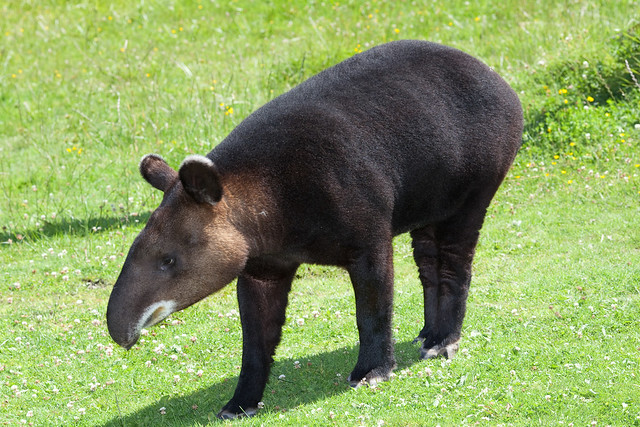
This dream fortune-telling was handed down from China, started for the sake of having a good dream. Chinese put the drawing of tapir which were believed as they eat the bad dreams, under the pillow so that hoping they will not have a bad dream. This habit transferred to Japan and instead of tapir drawing, Japanese put the drawing of Seven Lucky Gods in order to have a pleasant dream. If they had a bad dream even they put that seven Lucky Gods drawing, they have to throw that drawing into the river right after waking up according to the tradition.

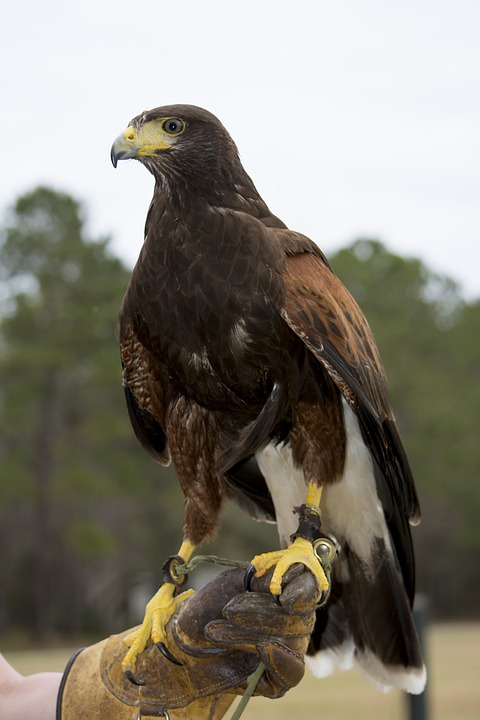
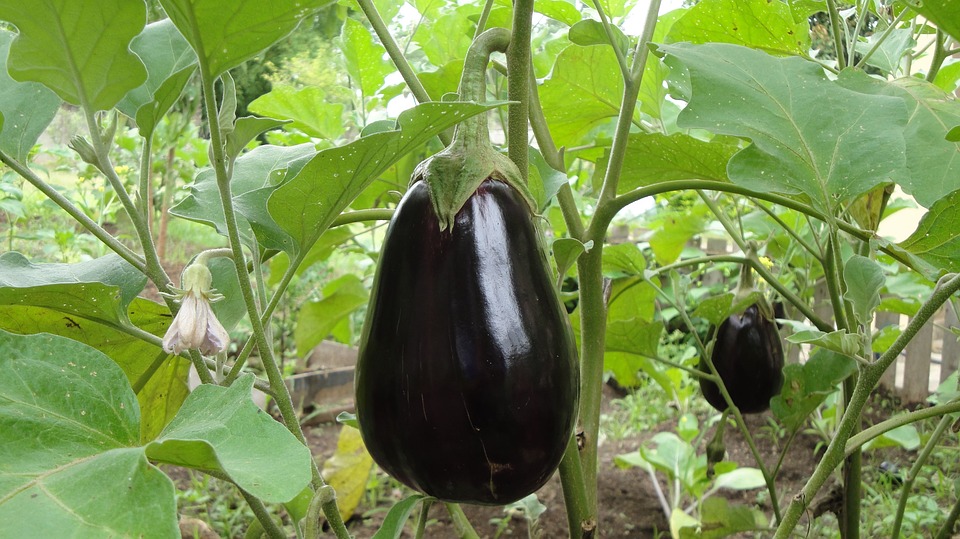
Bringing back to the topic of Hatsu-yume, it is told that if those three top objects appear in the first dream of the year, the year is going to be awesome: those objects are known as ‘Ich Fuji, Ni Taka, San Nasubi’ = 1. Mt. Fuji 2. Hawk 3. Eggplant
富士 – Mt. Fuji

meaning of building an outstanding career. Fuji (富士) is similar pronunciations as immortality (fushi 不死) and safe (buji 無事), therefore it is considered to have power of good health.
鷹 – Hawk
meaning of infinite possibility and dream comes true. Hawk is Taka in Japanese, and it is the same pronounciation as high (高), so the luck for this year will go up. Hawk is considered as elegant looks therefore it implies building pride.
茄子 – Eggplant
Eggplant is pronounced as Nasu, and it has the same pronunciation as accomplish (成す), therefore considered as accomplishing something in the year. Also the eggplant does not have any hair on the surface and it says ‘毛が無い – ke ga nai’ in Japanese, which has the same pronunciation as ‘no injury’ (怪我無い), therefore it has the meanings of good health and descendants prosperity.
The origin of those auspicious objects has not purely defined but some of the possibilities are; those were defined according to the Shogun Ieyasu Tokugawa’s favorites / the things that are valuable in the area where the Shogun Ieyasu Tokugawa lived, called Surugakoku (駿河国), now the area is located in Shizuoka prefecture.
It is funny to know that dream fortune-telling results are based on the name of the objects as it sounds like the good meanings. Seems like there are many traditional those sound-alike good lucks in Japan.
 Little Japan Dictionary
•
(Here in Nepal, A simple Dot character on post comment section represents the appreciation to the writer for bringing Perfect piece for readers)
So, Until my hunt for new comments ends. Please accept my innocent and thanking •
LikeLike