
鍋 (Nabe)- Japanese Hot pot
Nabe can be the pot itself and the food made inside the pot. Boil the food such as vegetables, meat or seafood in the pot. Boiling those ingredients will provide a better digestion and absorption. Soup keeps the nutrition from the ingredients.
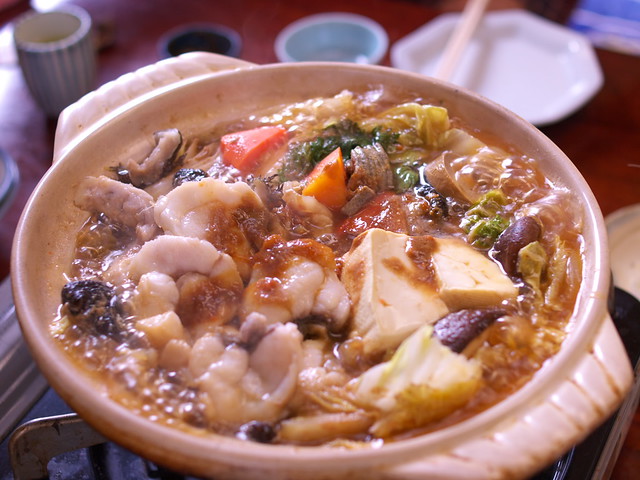
In the winter season, eating Nabe with family and friends keeps you warm. There are variety kinds of Nabe; 山の鍋(Yama-no-Nabe) =Vegetables , 海の鍋 (Umi-no-nabe)=Seafood, Soy base, Kimchi base, soymilk base, region specials like Kiritanpo …. many more, so you won’t get enough of eating Nabe!
The habit of eating Nabe was already started more than 2400 years ago in Japan. At first, they used the earthenware, and when the iron was introduced, they shifted to use the iron pot.
In the Edo era, the trend was to eat small pod by oneself, but in the late Edo era it turned to be some people eating from one big Nabe and it continues till today.
Before 1860s, people generally ate Nabe with veges and seafood, but when the Meiji era started and eating meat became popular, beef Nabe was introduced and became famous.
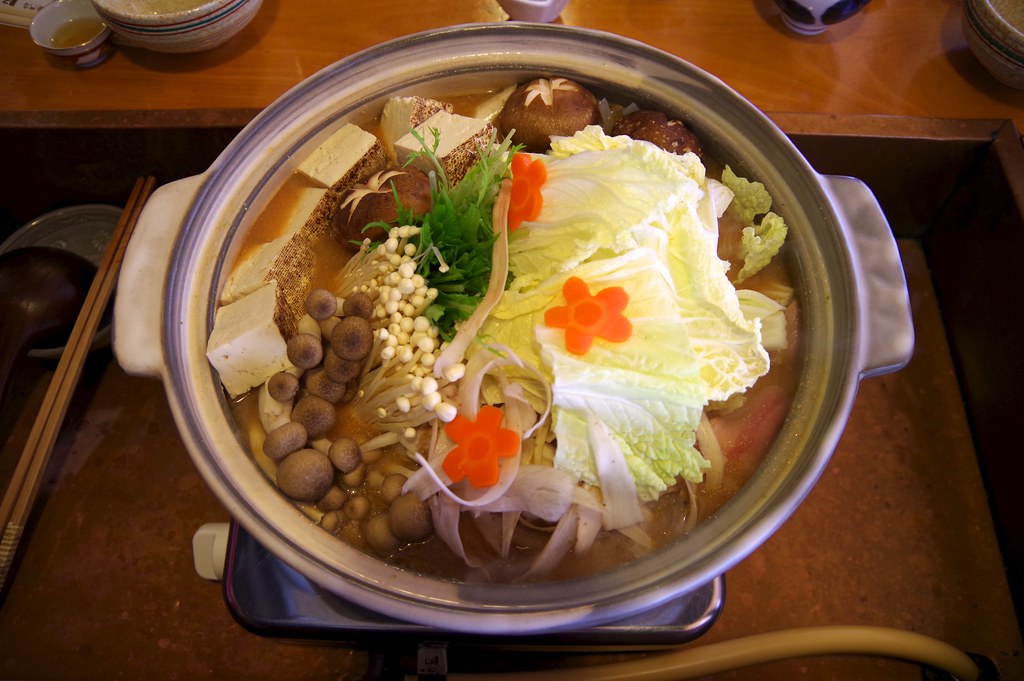
Here are some of the trivia about Nabe:
- Have you ever heard of ちゃんこ鍋 (Chanko-Nabe)?
It is the Nabe made by Sumo players. Normally with Chicken stock base; this is because chicken stand with 2 legs which related to the sumo players on the ring, wishing to win. The meat balls in this Nabe is white, since white stands for winner in Sumo game, 白星(Shiroboshi). On the other hand, Black means loser 黒星(Kuroboshi).

- Are you picky about when to put each ingredients into Nabe? – Meat first and 2 min later hard veges and then 5 min later leafy veges…
If you are this kind of person and keep the control of Nabe rules, you are 鍋奉行(Nabe-bugyou)!
- When you boil the ingredients, there will be some grey things comes up, that is the components tastes bitter and the Nabe doesn’t look nice. So it is recommended to get rid of it, BUT do not take them completely. As taking too much of it will reduce the Umami!
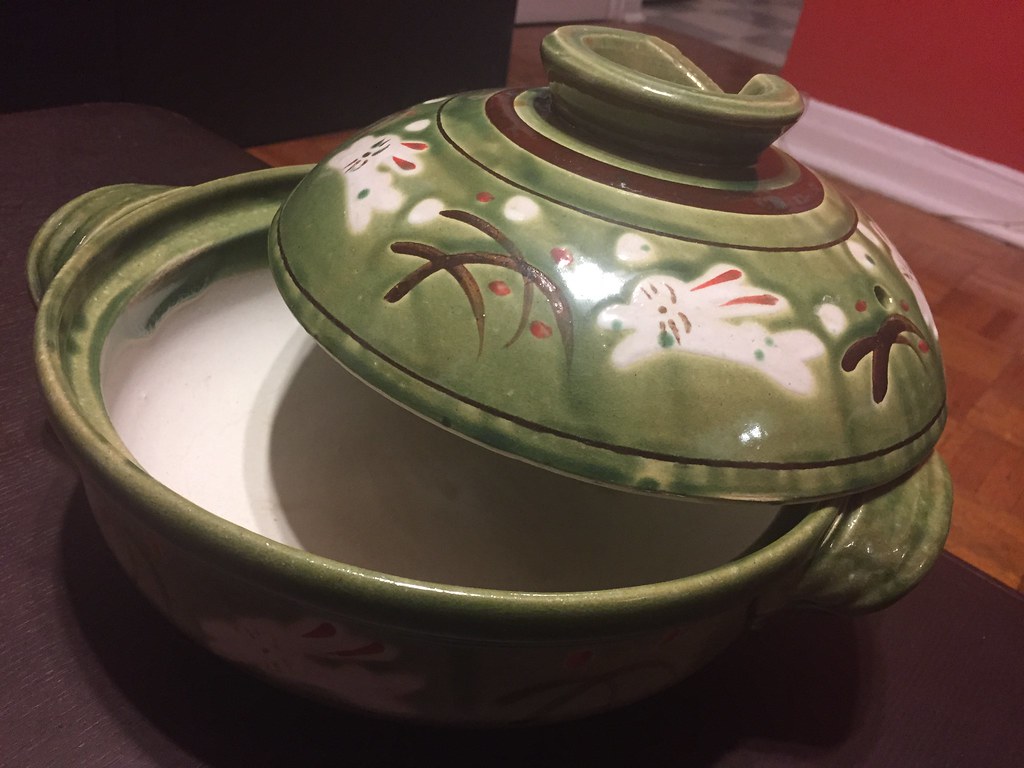
- The cray pot for Nabe is very weak for sudden temperature change. If the cray pot got the crack, it is recommended to make the porridge. This is because starch from rice can fill in the crack and coat the surface.
Here is the one of my favorite Nabe restaurants, Akakara! In this shop, you can pick how spicy the base soup from 1 (Mild) to 10 (Max)! I heard from the waitress that there were very few people ordered the 10, and even the steam from that Nabe hurt her eye! The most ordered number is 3 – 4, so if you have a chance to visit, why not:)
The website does not have an English translation, but if you have a brief idea of this shop: http://www.akakara.jp/
 Little Japan Dictionary
I think I need to add some Chanko-Nabe in my diet as I am skinny in real life.
Nepalese mothers always want their children to be fat But they don’t care the same fatty structure is used as body shaming in different locations.
(P.S: Don’t promote anyone for free not even the websites, Coming to these days you are WordPress influencer now)
LikeLike