日本茶 (Nihon-cha) – Japanese green tea
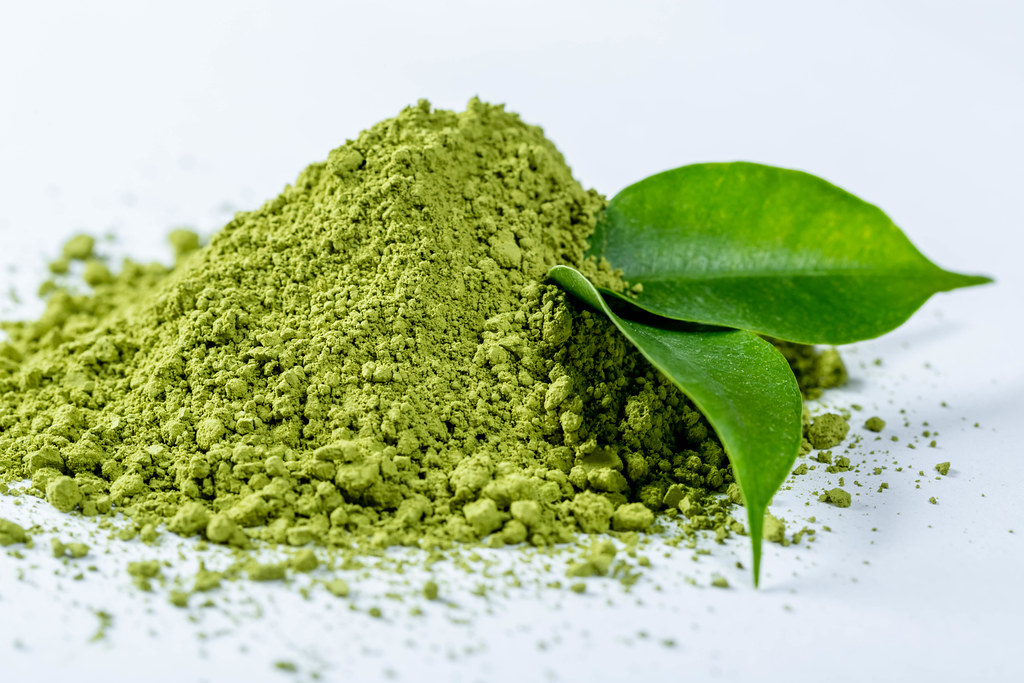
Japanese green tea is becoming famous around the world these days – with the familiarity of Matcha flavors.
There are different types of Japanese green teas:
-煎茶 Sencha: The most common and general green tea. Steam the tea leaves (Newly born in the year) and rub them while drying to get lid of the moisture.
–抹茶 Matcha: powder tea with strong bitter taste. Using the tea leaves which are covered by cloth when they are growing. Steam those covered leaves and dry them without rubbing. Then grind with a mortar.
–玉露 Gyokuro: less bitter taste than Sencha. Using same procedure as the Sencha but using the tea leaves which are covered by cloth to avoid the direct sun lights.
-ほうじ茶 Houjicha: Roast the tea leaves (After the first born leaves, picked around mid of June) with stronger fire. The color of the leaves are brown.
-玄米茶 Genmaicha: Roast brown rice and mix with Sencha. Crispy smell in the tea.
…and more!
As a result of the different process, all have different taste, colour and smell.
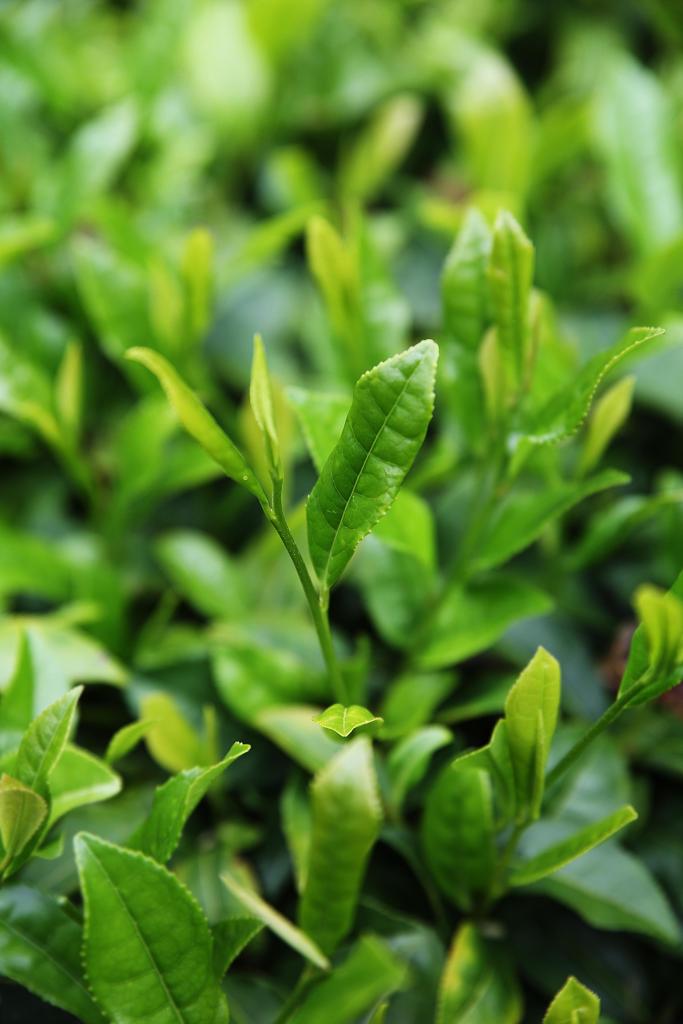
Green tea was first introduced to Japan in Nara / Heian era (710~1192). People went abroad to China to learn about their great invention and culture, they brought back the green tea. It was drunk as a medicine in China. Green tea was very precious at that time so only nobility could drink them. Because of that, the culture of drinking green tea once faded away from Japan, however in 1191 another person brought the trend back again.
In Edo era, it spread to public and then the Japanese original way of producing green tea (Sencha) was created.
Various researches revealed that green tea has great effects for human body.
Green tea contains a component called Catechin which can prevent cancer, toothache, virus, HIV and lower the inner body fat and blood pressure. It also contains caffeine which can make oneself awake, prevent hangover, diuretic effect and increase the exercise capacity.
Even after drinking the tea, the leaves can utilize for other things:
-Using the wet tea leaves to clean up the mirror to make it anti-fog
-Using the wet tea leaves to clean up the sink, faucet, chopping board to make it shine, and-virus
-Warm the tea leaves in the microwave to get rid of the smell inside
-Dry the tea leaves and wrap in the cloths, to use as a room deodorant
-put in the flower pods to use as a natural fertilizer
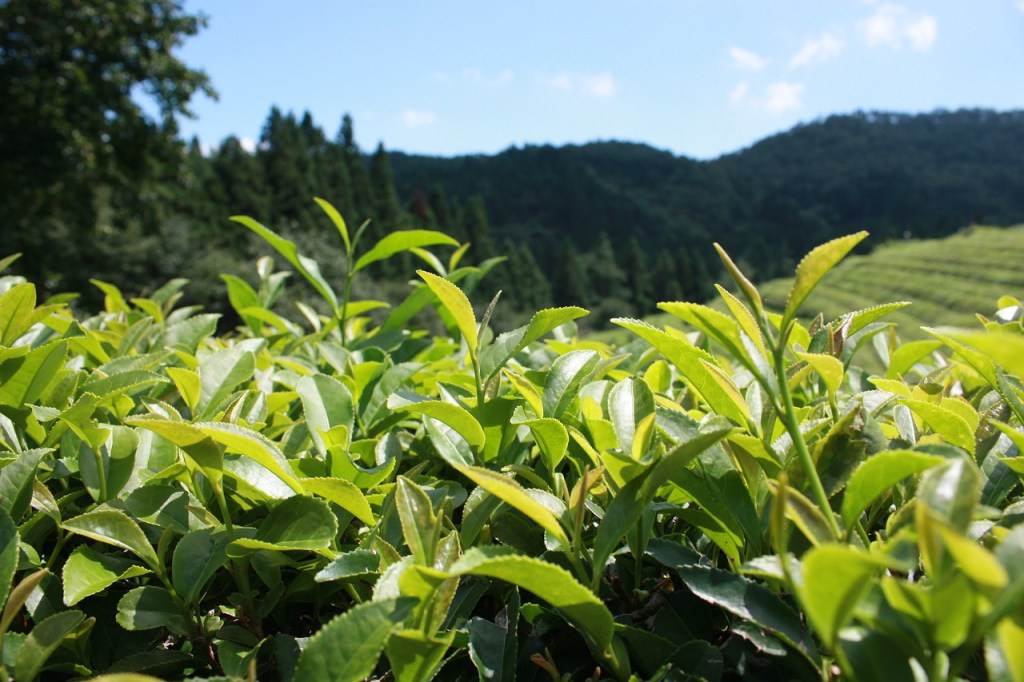
Nowadays however, the Japanese green tea has faced trouble for its production.
Due to the aging population and decrease in people willing to work in tea farm, less and less people produce the green tea. Moreover, there are different foreign teas attracting consumers so demand for Japanese green tea is not stable as it used to be.
Green tea has a lot benefit for human body and reusable for something else after enjoying the tea. To save this beautiful nature gift, why don’t we drink more green tea?:)
 Little Japan Dictionary
Although, I am already slim (i.e thin). I would love to drink green tea to save this beautiful nature gift if it wasn’t that bitter. What if green tea tasted like Pineapple juice?
And The other uses of it are EYE-OPENING.
Otherwise, we eat the leaf as well. Green tea are expensive here you know. We can’t afford to misuse it,
I am thinking about how we can recycle the wrapper as well. Any Ideas?
LikeLike