納豆 Natto

22nd February – 如月

Fermented soy beans, mix with sauce. It has strong smell and makes white tenacious strings when mixing. Proportion of people liking and hating Natto might be 50:50
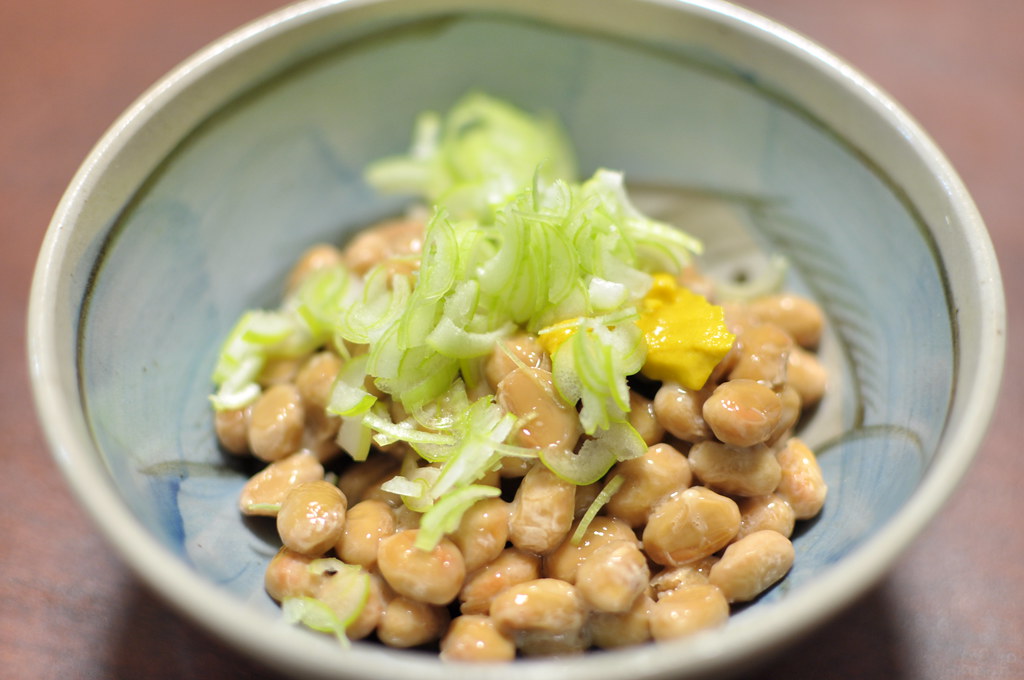
Have you ever tried this smelly, sticky Japanese soul food called Natto?

This food can clearly separate people who likes and hates.

Natto has been eaten in the breakfast from long time ago back in Edo period. It has several possible origin stories but today I have picked up 2 of them:

1. From the Yayoi era BC300~AC300

From Yayoi era, soy beans started to cultivate in Japan. It was too hard to eat raw, therefore people back then boil the beans and ate. During this era, the houses were made of straw and dried grasses, and had got fireplace and it was warm inside the house. They kept hte left over boiled soy beans in the house and it eventually became fermented – This was the origin of Natto.

2. Horse feed

During the war time in Japan, many Sengoku warriors used horse as a vehicle. In order to feed the horse, they used to boil the soy beans and put them in the straw bales and carry them. When the war got extended, there were food shortage even for the horses so the top of the country ordered the farmers to provide a lot soy beans. As they needed soy beans urgently, they did not cooled down the boiled soy and put them in the straw bales so it gets fermented. When warrior noticed it and ate it, finding delicious – This was the origin of Natto

Even some people hate Natto, it is very nutritious and can prevent diseases.

Natto has Vitamin E, which makes the blood flow well, and has power to melt blood clot down, so it can not only give less risk of myocardial infarction and cerebral infarction but also suppressing blood sugar. It also include iron and dietary fiber so it can prevent constipation. Furthermore, it is expected that Natto has anti-aging and better immunity effects.

You can arrange Natto menu like putting on the top of bread, in the miso soup, omulet and Udon etc. Eating with Miso soup can extinguish the Natto’s white strings easily.

Maybe you can create a new recipe!
 日本のトイレ (Japanese Bathroom)

21st February – 如月

Japan has got very weird and different but useful things in their daily living.

One of the example can be the bathroom, toilet.

It is famous that Japan has the squat style toilet called 和式トイレ (Washiki toire).

Many non-Japanese people confuse how to use this types of toilet, but nowadays, there are less Washiki toilet around and have more normal toilets around.

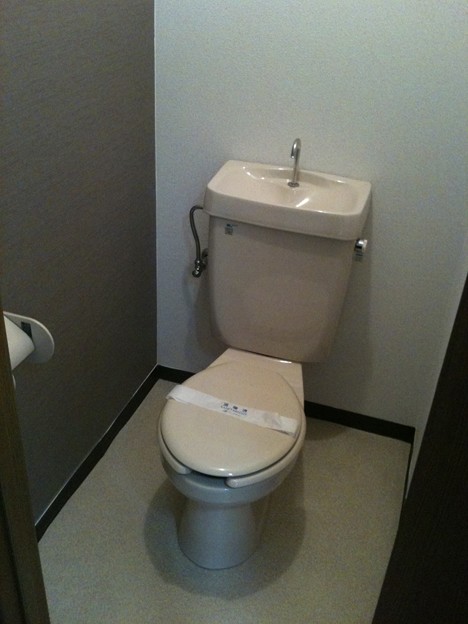
If you have a friend in Japan, please have a look at their bathroom at home. Many Japanese houses have toilets with sink on the top of the water tank. So people can wash their hand before touching the door knob. This hand-washing water is from the tank and firstly wash the hand then go into the toilet so it is clean and a good way to reduce the amount of water. Also some houses have slipper in the toilet room, this is for not bringing dirt and virus from the toilet outside the room.

Furthermore, people might surprise that some of the Japanese toilet seats are warm. Some toilet also flash automatically once leaving from the toilet seat so that people won’t forget to flash. Japanese toilet has so much feature to make the time in the toilet room as comfortable as possible!

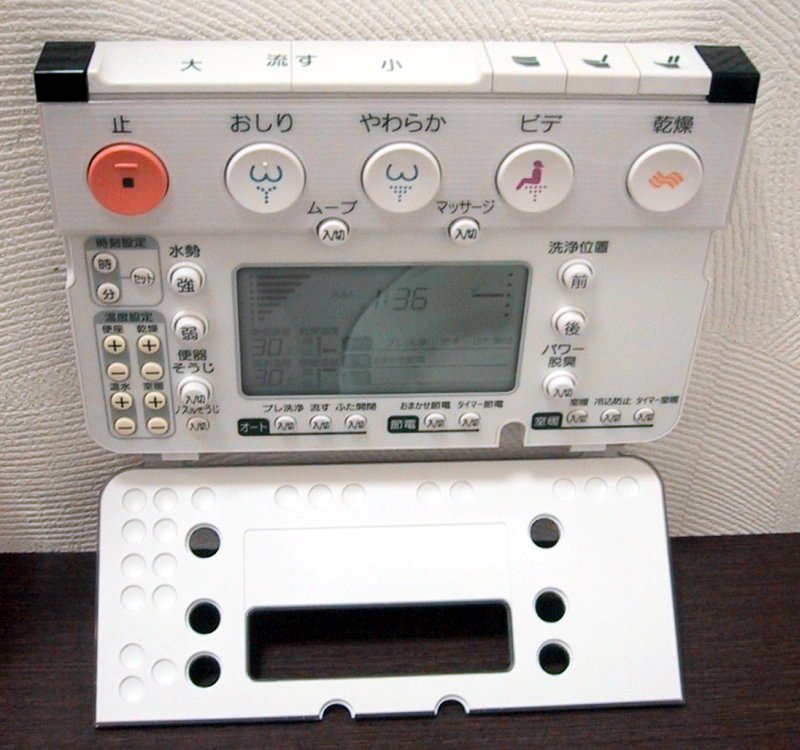
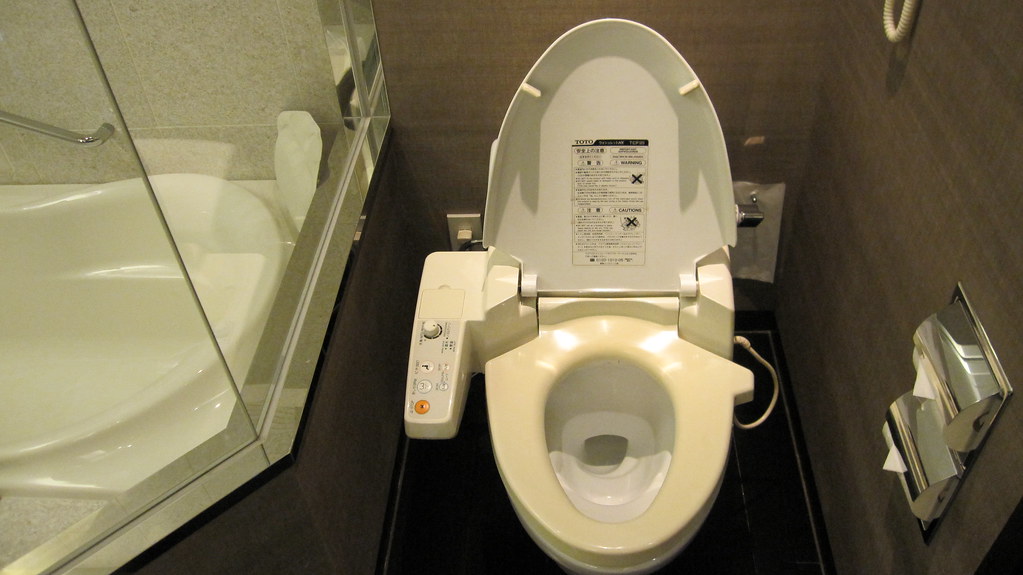
However, because of those evolution, there might be people who confuse with all the buttons in the bathroom…like this ウォシュレット(washlet)

Even most Japanese people would not know how to use some of the features – me too!

Here I would like to explain some of the useful functions:

The flash button (At the top left 2 buttons): left to flash big and right to flash smaller. Using this depending on the situation can reduce the water waste!

Toilet opening button (At the top right 3 buttons): pressing one of these to open the toilet lid, so that you don’t need to touch the lid. Can adjust the angle of the lid here

おしりbutton / やわらかbutton (Oshiri button / Yawaraka button in the middle with hip sign): those wil splash warm water from nozzle to clean up the hips. Sit on the seat deeply before pressing the button. The small button bwtween those two can move the nozzle to change the position. Using this cleaning function too long will damage the skin so use this for few seconds.

ビデbutton (Bide button in pink next to the hip sign): this one can be used only by ladies after urination.

The red button at the left is to stop the function, and the button at the very right is to dry the skin.

There are rumors that the Washlet is very dirty – this can be true as the nozzle might be dirty with water splashes. Nowadays, the toilet brand TOTO sells portable Washlet so if you are interested it is good to have your own washlet rather than using the public ones!

In the department stores, there are a button for emergency (Normally red button and covered around). Please be careful not to press this button by mistake!

For the privacy, Japanese toilet have no gap between the floor and door, plus there can have a button to make sounds, called 乙姫(Otohime) – this can conceal the sound of excrement.

ロリィタファッション(Lolita Fashion)

20 thFebruary ‐ 如月

The cute clothes with frills, laces, ribbons like a dolls fashion. Minimize skin exposure to make it look like a little girls.

Have you ever seen people wearing this doll alike clothes in Harajuku? This style is know as ロリィタファッション and girls and ladies aged around 20th to 30th enjoy getting attention from people around.

The most common Lolita fashion is based with pastel colors like white and Pink decorated with many frills and ribbons. Sometimes made with flower, cute lollies, chocolate pattern printed. This one is called 甘ロリ (Amaloli).

On the other hand, there is also a Lolita fashion with same shape but different color.

One with black base color with frills, laces and ribbons and wearing thick-soled shoes are called ゴスロリ (Gosuloli).

Also, a little bit similar to Amaloli, but more calm design is called クラシカルロリータ (Classical Lolita), and their theme is more like rich family’s daughter. The skirt length is longer than Amaloli and using color like brown to look less young.

There are Lolita fashion with Japanese kimono cloths in it, called 和ロリ (Waloli).

Or even the one themed with rich family’s son called 王子系 (Ouji kei), worn by girls. This one is more like imitating Anime character so many Anime fan girls wear this style to make themselves look like the character.

This Lolita fashion has to be perfectly dressed, so do not lack off even from the hair style to the shoes! If you want to collect all the items for this fashion, the estimated cost would be around 800 – 1000 US dollars. That is why most of the people who do this fashion is 20s to 30s, not many teenagers – as they have enough money!

If you want to get attention from everybody and wear cute clothes like a doll, why don’t you try this fashion in Japan!

メイド喫茶(Meido Kissa)Maid Cafe

19th February – 如月

A type of Cafe where staff girls imitate servant (maid) and treat customers as their master and provide service. Many Maid Cafes exist in Akihabara, Tokyo. Usually under 18 years old cannot visit there.

Probably many people who have searched about Japan encounter this types of shop, Maid cafe has variety of shops and each shops have different theme. Today’s blog introduces some basic information about what you can expect when you visit Maid Cafe.

Many people might think this place as only for guys. However, there are many girls or couples enjoying Maid Cafe so you don’t have to feel embarrassed!

When you visit Maid cafe, generally they charge for each seat, the rate is mostly less than 10 USdollars, and some shops have free charge for the first visitors. Weirdly, some shops charge different costs for customers’ gender.

When you get into the shop, the maid staff will welcome you saying

お帰りなさいませ、ご主人様 (Okaerinasaimase, Goshujin sama)

=Welcome back, master

Then you have a seat and can order some food as this place is a ‘Cafe’.

The food in Maid Cafe is known for a little bit over priced, as those food will be served with special service by Maid staff, such as drawing cute character, decorating in front of you, or getting magical wish to make the food taste better…

One of the wish example is Maid saying

おいしくなあれ、萌え萌えキュン!(Oishiku naare, moe moe kyun!)

=Taste better, Moe Moe Kyun – this part is showing cuteness

Therefore, it is understandable why it charges more – with special service.

Other than the food service, you can also enjoy the talks with Maid staffs. Those staffs have created their own character in their shop, so they are supposed to live in imagination. For instance, if you ask them where they are from, they would say they are from Jupiter, Moon or somewhere imagined place.

While in the shop, you can also enjoy playing game with Maid staff such as card games, kids games etc. Also if you pay extra (around 7US dollars) you can take a photo with Maid and she will decorate the polaroid for you. This polaroid is called チェキ (Cheki) and many regular customers collect thousand of photos with Maid.

Some shops hold Maid concert live and people can purchase the live ticket in the shop. People can see the Maid staff singing and dancing there.

There are some illegal Maid shops where overcharge many things, such as staff reservation fees. Therefore, it is better to check the information and review about the shop prior to your visit.

Here is the 2 famous Maid Cafe, it might give you what Maid Cafe is like!

@ほ~むカフェ

https://www.cafe-athome.com/

アキバ絶対領域

https://akibazettai.com/

18th February – 如月

ラーメン - Ramen

The noodle dish including Chinese style noodle, soup with some ingredients.

In Japan, there are various types of ramen depending on the region and heaps shops are making it better and better to be able to survive in the competition.

*Just a reminder all the photos are not belong to the author, from google image, second use allowed photos

Types of Ramen

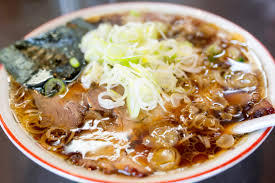
醤油 (Shouyu)

Soy sauce base, it is the basic menu in most ramen shop. Shoyu ramen was the first ramen made in Japan. about 100years ago, one shop from Asakusa in Tokyo served Shoyu Ramen.

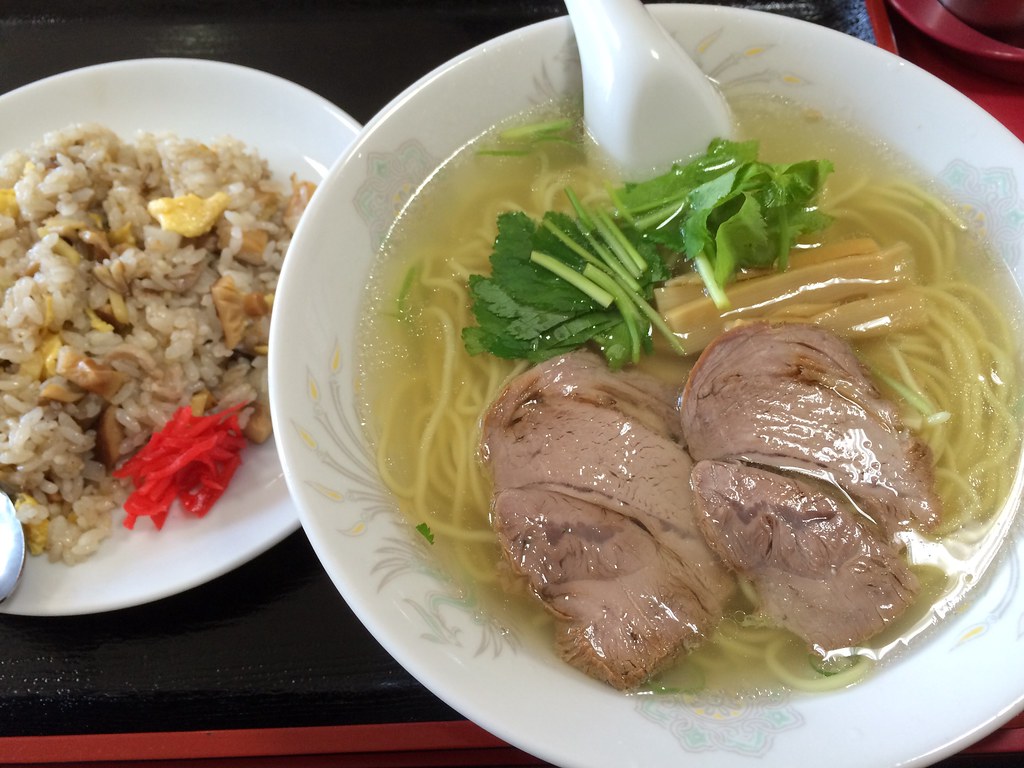
塩 (Shio)

Salt base, generally have the clear color soup. Shio ramen has the light taste and less insistent than other types.

味噌 (Miso)

Exif_JPEG_PICTURE

Japanese bean paste base, has rich taste. Using the same bean paste as Miso soup but it has stronger taste. Famous miso ramen is from Sapporo in Hokkaido, eating with corns and butter on the top.

豚骨 (Tonkotsu)

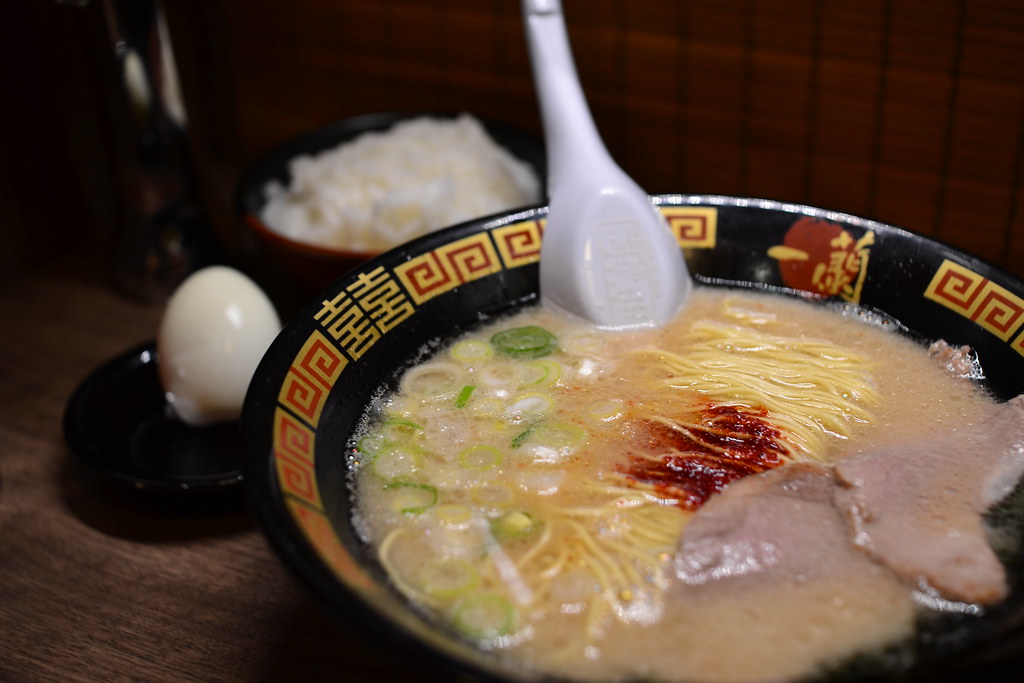
Pork bone base, boiling the pork bone for long hours and make the color of the soup into clouded. It has strong smell and rich taste. generally use the thinner noodle. Famous Tonkotsu ramen is from Kyushu island.

鶏白湯 (Toripaotan)

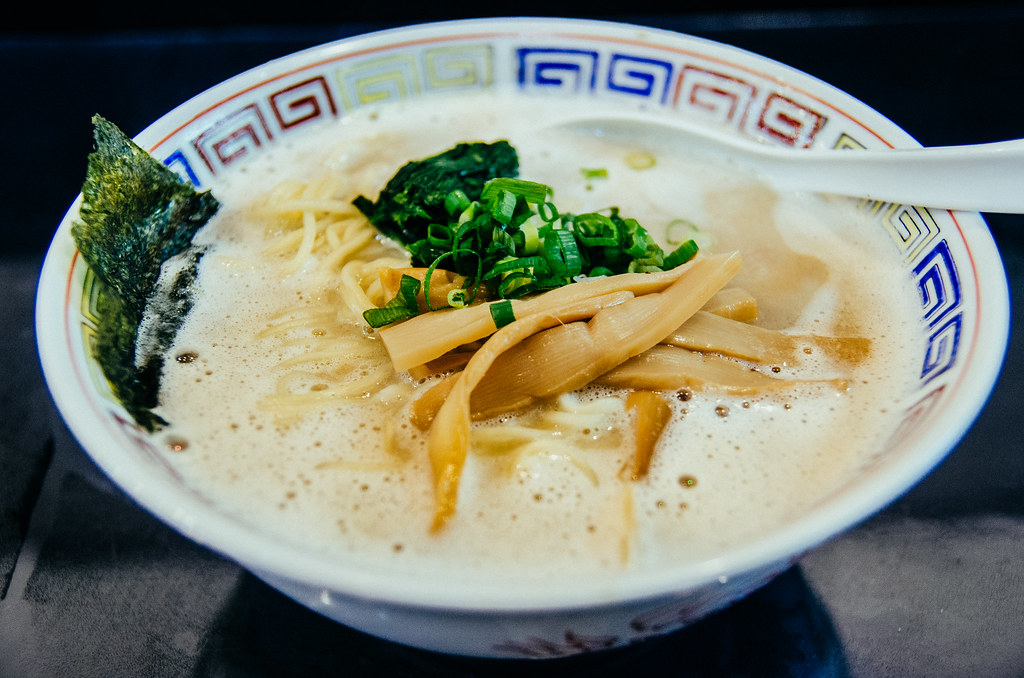
Chicken base, boiling the chicken for hours, and make the soup clouded color. Does not have the strong smell like Tonkotsu.Looks similar to Tonkotsu but completely different taste.

つけ麺 (Tsukemen)

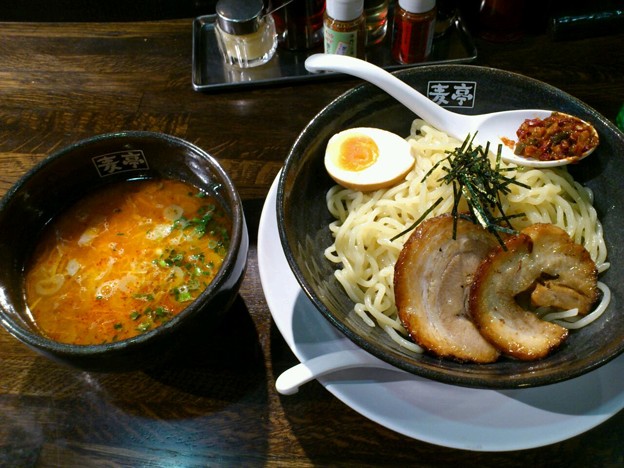
The noodle and soup are separated. Dip the noodle to the soup to eat. Normally the noodles are cooled down with ice before serving. Soup has stronger taste than the other normal ramen.

油そば (Aburasoba)

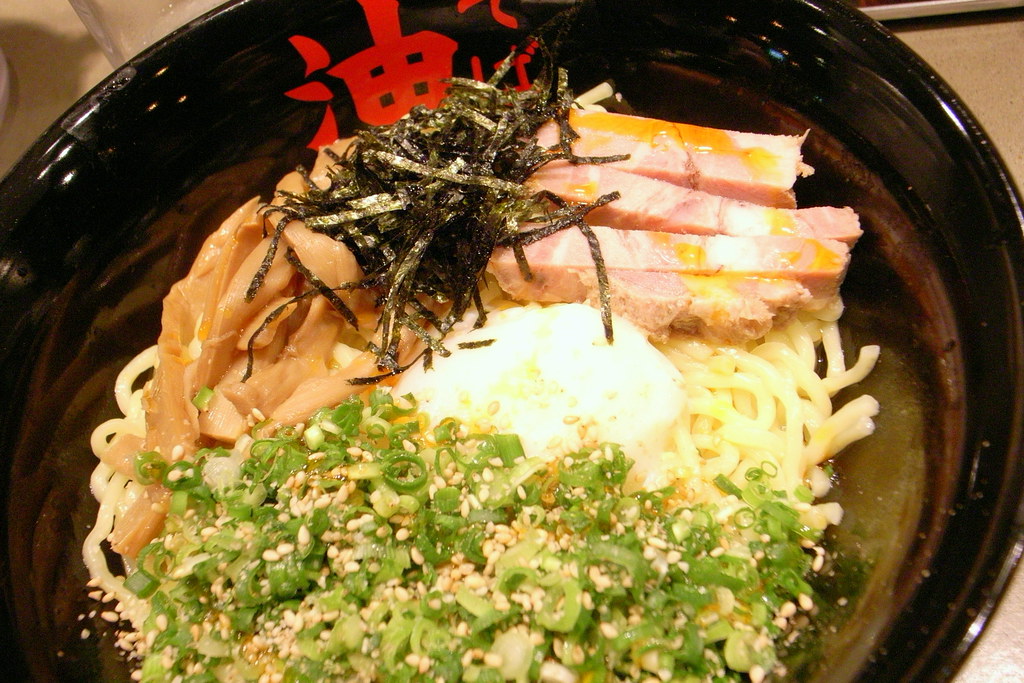
Ramen without soup, can be called as 汁なしそば Shirunashi Soba or 混ぜそば Mazesoba. Eating with little amount of sauce, have to mix well. Even the name is with Abura =Oil, its calorie is smaller than the other ramen so it is healthier.

Main ingredients in Ramen

-味玉 (Ajitama)

seasoned egg, strong taste of sauce. Normally with medium rare egg york

– チャーシュー (Cha-Shu-)

roasted pork

-のり (Nori)

Dried seaweed

-ネギ (Negi)

spring onion

-メンマ (Menma)

seasoned bamboo shoots

-替え玉 (Kaedama)

Another bowl of noodle, when you want to eat more noodle you can order it. Some shops provide free Kaedama

How to – Ramen

When you go to the ramen shops, you might encounter the question – how to buy ramen in this shop.

There are generally 2 types of Ramen shops where either you buy ramen on the table (the waiter / waitress takes order) or from vending machine. The second type vending machine, you put money in the machine and choose the ramen you want. Then the paper with the name of ramen comes out so take that ticket to the waiter / waitress or some case chef to get your ramen.

For eating manner, Japanese eat ramen with sipping the noodle – making noise. By doing this, it is believed that you can enjoy the smell of ramen more and can make the noodle and soup intertwine well when you eat. To make sounds, the tip is to inhale the air as well when you eat the noodle. But it is pretty hard to do it, even many Japanese cannot do it as well, so don’t worry! Just enjoy the taste of ramen:)

いただきます!Itadakimasu

17th February – 如月

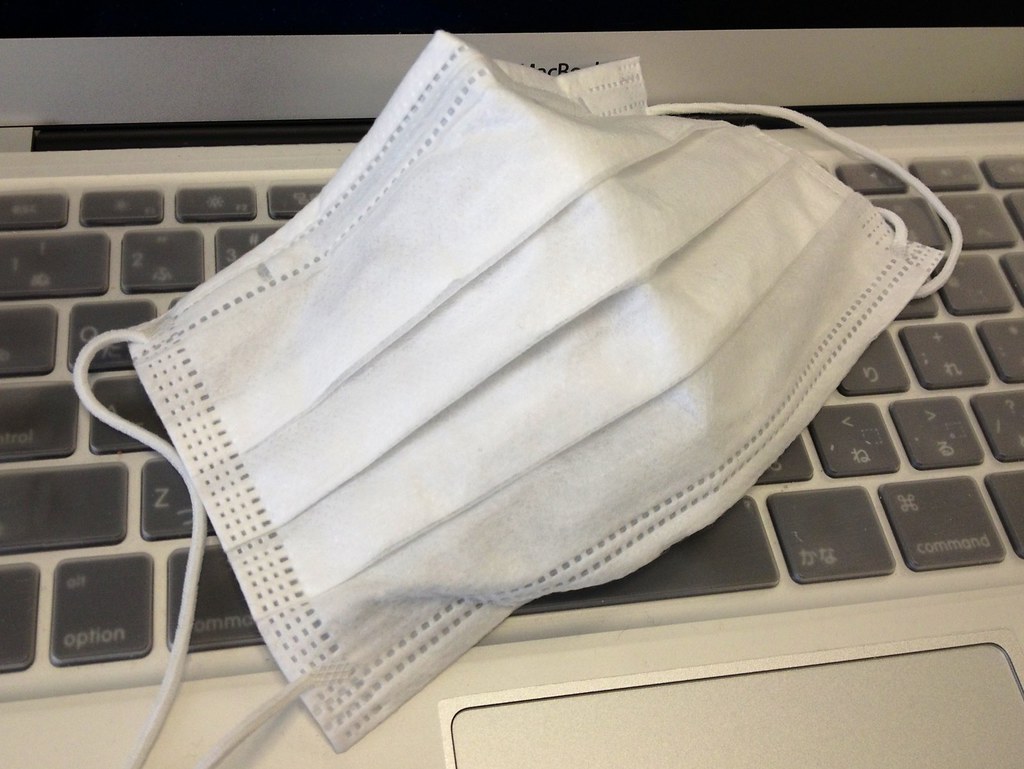
マスク – Mask

Because of the Corona virus around the world, masks have been a hot topic and the supply shortage has been a big problem at the moment.

In Japan, wearing masks is not a new thing and moreover, many people in Japan wear masks all season even there are no viruses or flues.

The history of wearing masks goes back to 1918 ~ 1920 when the Spanish Flu was affecting the world. At that time, half of Japanese population was infected. Then, many people started wearing masks to avoid that flu. From this incident, Japanese people have used masks every time when the flues hit this island.

Generally many Japanese wear masks in spring time to reduce the allergic reaction of hay fever as Japanese pollen splashes are serious. But still many Japanese wear masks for other purposes than avoiding hay fever, flu or sickness.

why Japanese people wear masks that often nowadays?

The reason could be related to the self-confidence issue for Japanese.

Many Japanese girls, especially younger generation wear masks in order to hide their face without makeup. Most Japanese girls are nervous of showing their face without makeup and have no confidence on the natural face. Furthermore, some people wear masks because it feels secure or wearing mask can avoid from making facial expressions. One research revealed that around 50% of Japanese ladies aged in 20s wear masks for general use.

Those mask except using as a medical reason is called 伊達マスク(Date-masuku).

Nowadays, there are many functional masks in the shops, such as making the face look smaller, colored masks and so on. Now wearing mask is not only the medical use, it has become a fashion too.

However, those Date-mask use can cause a problem – afraid of communicating with people. Because those people wearing masks feels themselves as less confident showing their face, continuously wearing masks keeps their self-confidence very low and in the worst case, it can make them social withdrawal.

Even there are people who cannot take the masks the whole 2 years in Japan.

It is a useful tool to prevent sickness, but can be also dangerous, making the life a lot harder to be ourselves.

16th February – 如月

日本の迷信 (Nippon no Meishin)‐ Japanese Superstition

<<<Those might help your life better!>>>

There are various superstitions in Japan, not only negative ones as I explained in last blog but also the positive ones. Today’s blog is about the superstitions which have happy meaning!

蛇の抜け殻を財布に入れておくと、お金がたまる

If you put the cast‐off skin of a snake, you won’t have trouble with money

As the snakes repeat molting many times, ancient Japanese people consider as the cast-off skins comes out infinitely. Therefore, they thought putting snakes’ cast-off skin could also increase the money inside the wallet. Another origin could be that snakes are one of the seven lucku gods’ servant, 弁財天様(Benzaiten sama) who is the god of fortune. So snakes were believed to have some power from that god.

ツバメの巣が家にできると、幸せが舞い込む

If the swallow makes nest in your house, the happiness will come to your home

This superstition came from the reason that the swallows eat the pests in the paddy field. Thanks to swallows, the paddy fields where have swallows had a great harvest, so they brought success in the business.

Moreover, the swallows make their nests where many humans are around in order not being attacked by other animals (normally animals does not get close where people are around). They prefer the places where have perfect temperature and humidity. Therefore, the places where swallows make nests are generally good sheltered place, many people come and go, happier than places nobody comes to visit them!

掌に’人’を三回書いて飲み込むと、緊張がほぐれる

If you write ‘人’=Hito, human on your palm and swallow it, it will relieve your stress

When drawing ‘Hito’ on the palm, it will stimulate the acupressure point called ‘労宮=Roukyuu’ in the middle of the palm. This spot is connected to the heart and by pressing this spot, it will relieve nerves.

(Extra contents)

くしゃみ:1回褒められ、2回憎まれ、3回惚れられ、4回風邪

If you sneeze: one time=somebody is complimenting you, twice=somebody is talking behind you, three times=somebody is crushing on you, four times=you have caught a cold

The origin for this superstition is not clear and there are no clue this superstition is actually true. As the other countries have different meaning toward the sneezing, take Japanese one as the option.

In the ancient time, sneezing was believed to be unlucky in the Buddhism. It was considered that the soul goes out when sneezing so it would shorten the life in Japan. When people sneeze, Japanese used to say the spell ‘くさめ=Kusame’ to relief the curse, but these days most people in Japan does not say this anymore.

15th February – 如月

日本の迷信 (Nippon no Meishin) ‐ Japanese Superstition

<<<Try to avoid those actions!>>>

Just like the all other countries have their own superstition, Japan have many too! There are weird but interesting superstitions told from long time ago. Today’s blog, I would like to introduce the negative ones and then tomorrow the positive ones!

夜に爪を切ると、親の死に目に会えない

If you cut your nail in the night, you won’t see your parents before they die.

Origin: In the Edo era, there were not much lights during the night time so it was not easy to see clearly. Therefore, people said this in order not to clip the nail too deep or injure the body. The other possible origin is the word ‘夜爪 (Yozume)’ have the same pronunciation as ‘世詰め’ – making own life shorter, therefore if the person’s life is shorter they will die before the parents. So this superstition was born.

夜に口笛を吹くと、蛇が出る

If you whistle in the night, snake will show up

Origin: As the snakes are sensitive to the sounds (Indian snake pod, snake charmer shows the proof), they are believed to come if people whistle. There are poisonous snakes in Japan and night time is dark and uneasy to see if they are reaching, therefore people even nowadays worries about this. Another possibility is that snake (=蛇,Hebi) can be pronounced ‘邪,Ja’. 邪が出る(Ja ga deru) means lost the way, therefore, parents told this story and make the kids scared. Also they used to tell this to kids as whistling can bother the naighbors.

しゃっくりを100回すると、死ぬ

If you do hick ups 100 times, you will die

Origin: 100 times does not mean the exact times – means many times. In the old time, people could not go to see the doctor often. Hick ups can be the sign of the illness and people in that time believed hick ups is one of the sicknesses. Not being able to go to the doctor with many hick ups might scared people back then.

茶碗を叩くと、餓鬼が来る

If you hit the rice bowl, brat (hungry evil) will come

Origin: Brat are the evils who did bad deeds during their human life. They are always hungry and thirsty. If the brat comes to the house, they will eat all the foods and drink all the water so the house becomes poor. Telling this story to scare kids and make them stop the rude attitude while having meal.

Many of the superstitions were made in order to stop something bad habit. There are still many people believe in those superstitions even the young generations.

What are the interesting superstitions from your country?

14th February – 如月

バレンタインデー - Valentine’s Day

Valentine’s day is celebrated around the world – Also in Japan! However, Japanese celebrate this day differently and have own culture.

First of all, Valentine’s day generally is about expressing love. This part is the same as the other countries, but for Japanese case, it is the day that girls confess love to the boys. This culture, from girls to boys has started around 1970s. On this day, Japanese girls give chocolate to boys to show their love.

This chocolate giving theme was obviously created by the merchandise firms – they made a catchy phrase something like saying ‘Giving the chocolate to confess your love!’

The reason why they targeted women to sell the chocolate was that around that time, women were the key customers for firms and they tend to buy those pretty stuff.

Now, because of Valentine’s chocolate sales have been successful, there are many different tastes, unique chocolates when the dates get close to 14th of February. During the time, they also sell the self chocolate making kit so that people can create their own special chocolate.

Not only for the boys they love, but also there are more different themed chocolates: Giving…

-義理チョコ (Giri-choco): for the people who take a good care for you, showing appreciation. Sometimes it can be given not because the appreciation but feeling pathetic – for the person who did not get the chocolate from girls…

友チョコ (Tomo-choco): for a good friends, appreciating them for being close to you, and hoping to be a close friends from now on too.

逆チョコ (Gyaku-choco): Gyaku means opposite, so boys giving chocolates to girls.

自分チョコ (Jibun-choco): Chocolate for oneself. giving the rewards to oneself for doing a hard work. This season there area many limited chocolate sold therefore they crave for the new chocolate to taste. people tend to spend the most for own chocolate.

It should also be mentioned that many Japanese girls who give chocolate to boys might be looking for the gift back on 14th March (White Day). So if you get Giri-choco from girls friends, they might just want to get gift from you…Be careful for those girls ahaha

In case if you do not know the history of Valentine’s day, here is the brief story – The origin of this celebration started from Italy. At that time, Roman emperor Claudius II abandoned the young couple to get married, as it can lose the fighting spirit and the young boys avoided to fight in the war because of the marriage. However, St. Valentinus thought it is pity not to let them together, so he secretly hold weddings for those couples. This fact was eventually revealed to the emperor and St. Valentinus were sentenced execution on 14th February. Therefore, this day became a day to praise St. Valentinus’s brave and sweet devotion for unconditional love.

13th February – 如月

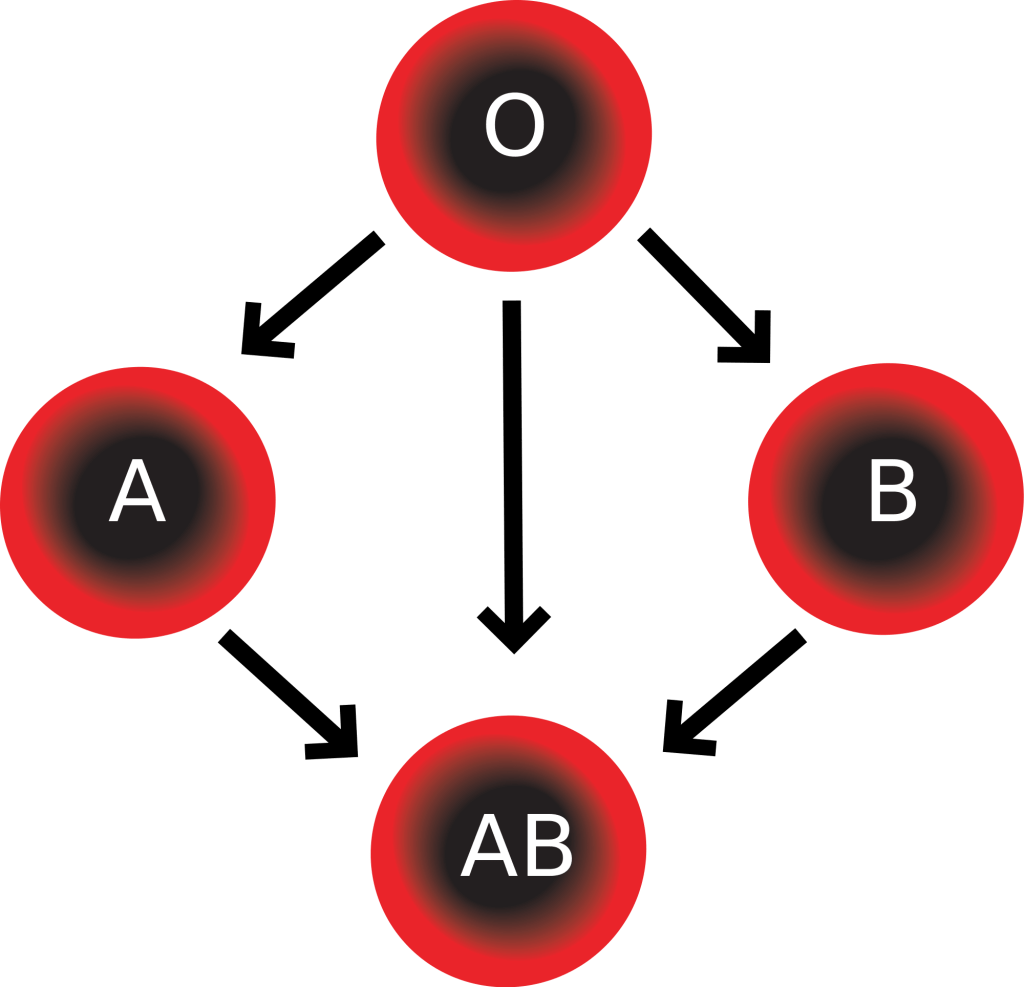
血液型 (Ketsuekigata)- Blood type

Do you know what blood type you are?

Most Japanese knows their own blood type and moreover they believe that the characteristic of each person can depend on blood type.

There are many fortune-telling based on blood type in Japan and even in the end of TV news, some shows include today’s lucky blood type! Even on the magazines too.

The relation between blood type and characteristics were proposed by one high school professor called 古川竹二 (Mr. Takeji Furukawa), he published a research about it in 1927. Some believe the relation is true, some does not, since all the characteristics can make people think it applies them.

Here are some of the typical characteristics for each blood types:

Type A

methodical, hard working, earnest and attentive. On the other side, blood type A people are tend to self-conscious and believe own way is always right

Type O

Friendly, easy-going. Sometimes become trouble maker and cocky

Type B

Have own pace, good at some pressure and curious. easily get bored and have self-centred mind

Type AB

Novel and Unique, efficient and good at asking help from others. However, type AB people can be sensitive and egoistic

Are these apply to you and your friends?

Design a site like this with WordPress.com
Get started