12th February – 如月

日本国旗 (Nihon Kokki)- Japanese Flag
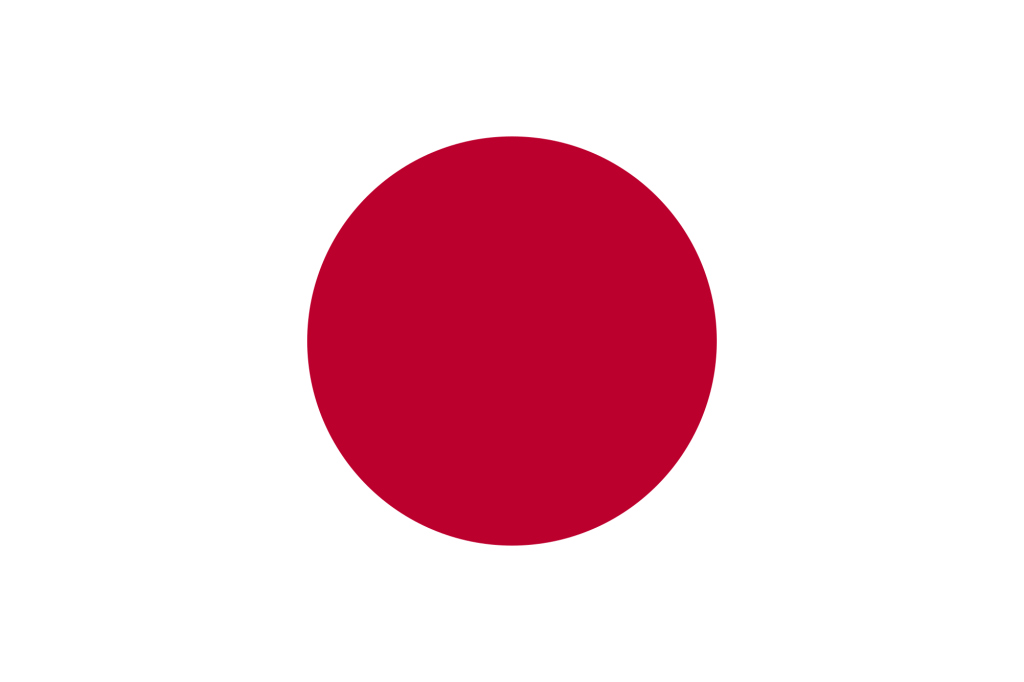
Japanese national flag is called 日の丸 (Hinomaru), the official name is 日章旗 (Nisshou ki). Using the red circle with white background is one of the easiest flags to remember.

This red part stands for sun, Japanese were agricultural tribe from the ancient time, so the sun is believed as precious and important. Red is also the color which is energetic, equal love.

On the other hand, white is the symbol of holy and purity.

The combination of red and white is considered as happy in Japan, most of the celebration are with red and white color. Therefore this flag has positive meaning behind.

Japanese recognize the red and white as happy – the origin of this belief was from 2 of the powerful warriors’ war called 源平合戦 (Genpei Gassen) in 1180~1185.

This war was between the samurai warrior team 源氏 (Genji) and 平氏 (Heishi). 源氏 had a flag with white with red circle, on the other hand 平氏 had a flag with red base with golden circle. Now you can guess which team won! – Yes 源氏 won the war, so from this history, white with red started to be considered as fortunate color.

Here means if 平氏 won that game, Japanese flag could have been red with gold circle!

You might know the another Japanese flag – with the red sun with sun layers around. This flag is called u might know the another Japanese flag – with the red sun with sun layers around. This flag is called 旭日旗 (Kyokujitsu ki) and it had used for the army. Therefore, some people from countries such as South Korea and China has got bad impression toward this flag due to the horrifying history Japan had done toward those countries. So normally 日章旗 is widely used.

11th February – 如月

建国記念の日 (Kenkoku Kinen no Hi)

National foundation celebration day. Celebrating the enthronement of the first emperor 神武天皇 (Jinmu Tennou)

From 1966, Japan has enacted the day of national foundation celebration on 11th of February. This day is not the actual foundation day so saying 建国記念の日 instead of 建国記念日 (‘no’ inside the name) to make the difference to the other countries’ foundation day – the actual day the countries were founded. Now you might think when is the actual Japanese foundation day? – The exact day of foundation is not confirmed. Therefore, Japan enacted the day of the first Japanese emperor’s accession as the day to celebrate the birth of Japan. The accession day was 1st January BC660, and when the new calendar was introduced in Meiji era, it became 11th February.

It had been rejected to enact the national foundation day until 1966 – before the world war 2, Japanese celebrated the emperor Jinmu’s accession day (just like Kenkoku kinen no hi) which was called 紀元節(Kigen setsu). However after the WW2, Japan was occupied by the US and its organisation GHQ thought 紀元節 would straighten Japanese unity. Therefore, this celebration day was abolished. Then the occupation finished and the celebration day has come back.

Japan has 16 days holiday per year. This is one of them. How many public holiday does your country have?

10th February – 如月

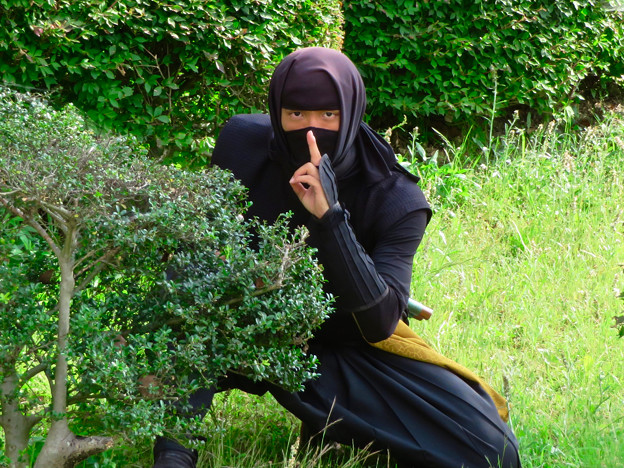
忍者 Ninja

Japanese Spy, the person who uses ‘Ninjutsu’= special tricks used for fooling people, not being seen by people in order to accomplish the spy works.

The word ‘Ninja’ has been spread all around the world and most people know who they are: the secret Japanese spy.

Actually, those spy were called differently in the districts, but in 1950s, one of the names ‘Ninja’ became the most common way to call them. The official name for those people is 忍び (Shinobi).

In Sengoku period, Ninja worked for 大名=(Daimyou: feudal lords) and giving the information about the enemies to Daimyou. Moreover, Ninja’s works are various; They sometimes break into the office of the enemies, destroy the castles, ambush or even assassinate enemies.

How do they do those works?

Many people reckon Ninja fight with weapons such as 手裏剣(shuriken), but their main methods are disguising – something like wearing farmers’ clothes and behaving as them.

Then give the false information around the people in the enemies’ territory. They do guerrilla warfare sometimes, but generally calmer methods were used more. As Ninja’s common task is to bring the information about the enemies, so they have to come back alive.

Since Ninja’s secret skills were mostly not written in the paper but told, so not many skills have been discovered. However, the ones which have been revealed, there are

-The use of 手裏剣(shuriken)

-How to run quick and quietly

-How to dive into the water without breathing up

-Talking skills to deceive people

– Costuming methods

etc…

Furthermore, one of the famous Ninjutu are 分身の術 (=Bunshin no jutu: Shadow-cloning technique). Many people would think it must be a fantasy story, would not be true! But there is an assumption that it might be a hypnosis or medicine to make them think it is cloning – There is a fact that Ninja used to study a lot and have great knowledge about those field, not only athletically trained.

The districts where there have the secret knowledge of Ninja are 伊賀(Iga) in Mie prefecture and 甲賀(Kouka) in Shiga prefecture. They are surrounding each other separated by mountains. There are some facilities where you can learn the Ninjutsu, so if you are interested, why don’t you have a look!:)

Ninja must not be know who they are. They pretend as normal people…

Look around, is there anybody who is suspicious?

Ninja might be your best friend!

9th February – 如月

演歌 (Enka)

Japanese music genre. Familiar among older generation. this style of music generally gives nostalgic emotion to Japanese.

Have you ever seen a Japanese singer with Kimono and sing with particular vibrato?

Those people are singing one genre of music called ‘演歌 – Enka’. Contains unique Japanese emotions in the songs and some darkness, sentimental sounds.

In Enka music, there are emotions such as 義理と人情 (Giri to Ninjou = social duty and humanity), Love and regional specialty.

This type of music started from Meiji era; At that time, liberal rights movement was active so many people made speeches (演説 – Enzetsu) on the street. However, the government was afraid of losing its power so started to regulate the speeches. The activists did not give up and made songs with speech lyrics. This music expression was the origin of Enka. 演説歌(Enzetsu ka) to 演歌 (Enka)

Enka has typical way to sing:

-コブシ (Kobushi): this is similar to vibrato in English but different. shake the sounds ups and downs but with irregular tempo.

-Generally use the scale without 4 (F) and 7 (B)

-Make the sounds of vowels twice at some stage. For instance, saying 空にぃ Sora nii instead of 空に Sora ni(=To the sky), with another little i.

Famous Enka singers can be, 美空ひばり(Hibari Misora), 坂本冬美(Fuyumi Sakamoto), 北島三郎 (Saburou Kitajima) and 氷川きよし (Kiyoshi Hikawa) etc.

Hibari Misora – Kawan no Nagare no Youni

Kiyoshi Hikawa – Kiyoshi no Zundoko Bushi

If you have any Obaa chan (Grandma), Ojii chan (Grandpa) friends, ask them who is their favorite singer! Probably the singer can be Enka singer:)

8th February – 如月

日本民謡 (Nihon-Minyou)- Japanese folk song

Songs that has been sang in the particular area in Japan. Those songs tend to have a deep relation to the local region.

Just like the other countries, Japan has its own folk songs (民謡 =Minyou) which were sang among ordinary people in the area. Nowadays, not many of them are sang by younger generations so those songs has sadly become obsolete.

Minyou contains various emotions from sadness to happiness, and songs generally include relation to the particular area. For instance, if the Minyou was born in Northern prefectures, this could contain coldness, snow or animals such as fox. Many times, particular name of the mountains or rivers, oceans come up on the songs, so if you search the name of those you can tell where the song came from.

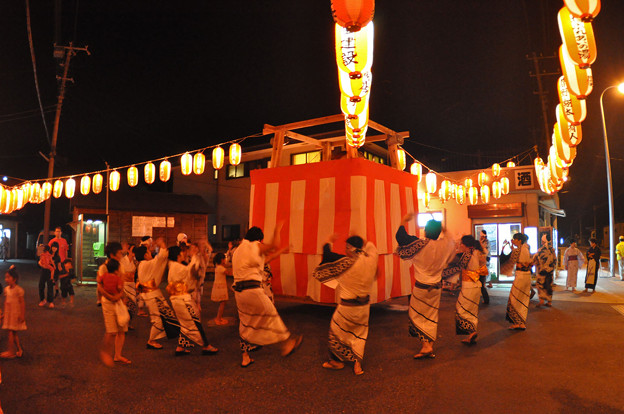
A number of Minyou were created by regional farmers and it has dance with the song. Those songs comfort the farmers whose works were hard and tiring.

Minyou has baiscally 2 types:

  • Song sang by one person: irregular beat
  • Song sang sang by many people: normally the beat is two time, be able to clap with the rhythm

Furthermore, the songs can be categorized by its theme.

  • 労働歌 (Roudou-ka): songs that relieve the hard works, sang by farmers
  • 祝い歌 (Iwai-uta): songs for celebration, festivals
  • 踊り歌(Odori-uta): songs for dancing
  • 宗教歌(Shuukyou-ka): songs that contain religious components, sang in order to create strong relation toward the religion
  • 子守唄(Komori-uta): songs for making the babies sleep
  • 舟歌(Funa-uta): songs sang on the boat, has the perfect rhythm for paddling the boat

Here I would like to share with you some of the famous Minyou

<東京音頭 祝い歌 ~Tokyo >

Tokyo Ondo – Iwai-uta

<はいさいおじさん ~Okinawa >

Haisai Ojisan

<最上川舟歌 ~Yamagata>

Mogamigawa Funauta

Japanese Minyou have great history behind – Hope this traditional songs last for next generation!

7th February – 如月

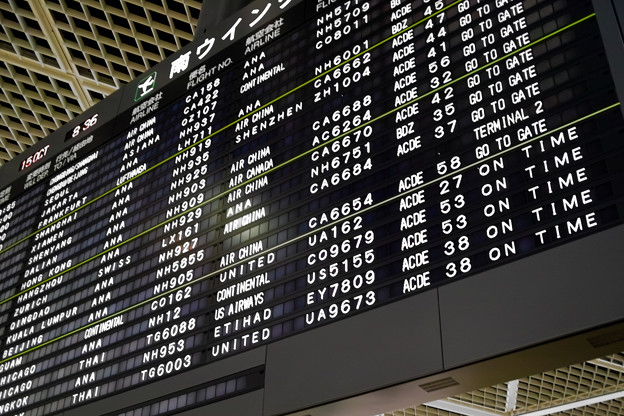
成田空港から東京まで ‐ From Narita Airport to Tokyo 

In Tokyo area, there are 2 main international airport – Narita and Haneda.

Haneda airport is located around 30 min away from Tokyo station by bus, car or public train. However, Narita airport is located in Chiba prefecture so it takes longer to get there compared to Haneda.

When you get to Japan and arrive in Narita, there are several ways to get to Tokyo (information is up to date on 7th Feb 2020), from those options, I would like to introduce 2 of them.

~How to get there~

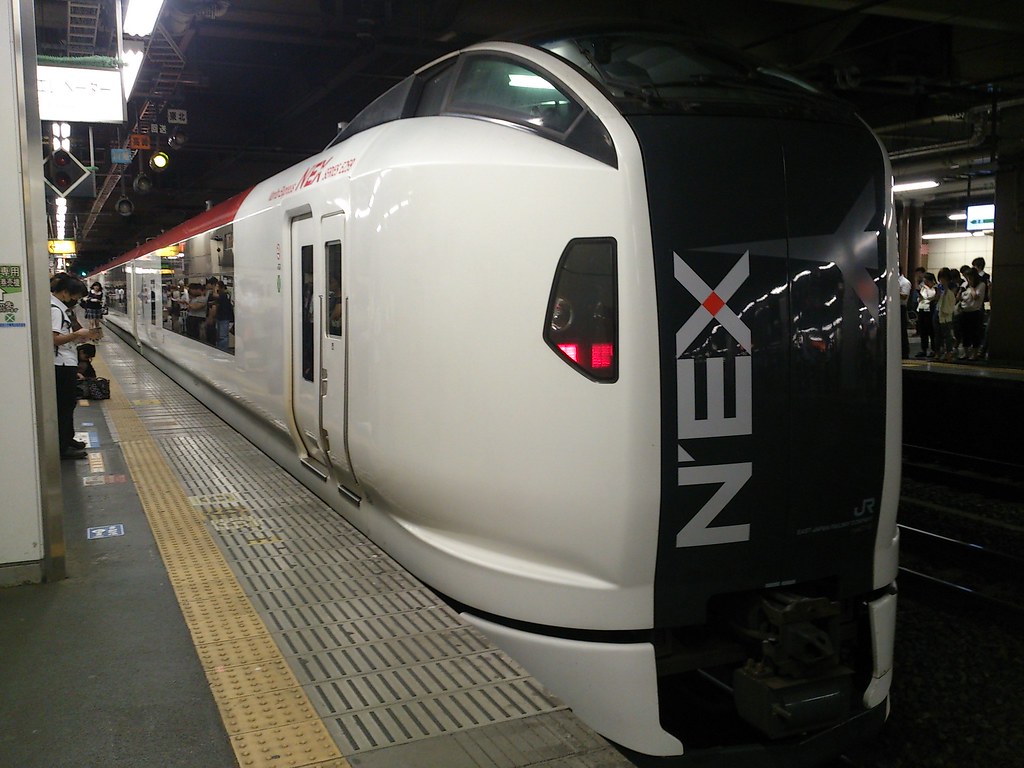
By Narita Express

60minutes / 3070Yen (Depending on season)

It is the special train goes straight to Narita Airport. No need to change the train and there are plenty space for baggage. All the seats are reserved (in Japan it is called ‘Green seat’) so you will definitely be able to have a seat. Also if you do not need to have a seat, no reserved tickets are available. Can be purchasable via internet, station,

Pro: easy to get there, generally on time, plenty space, comfortable

con: expensive compared to the other way

*** If you go to Keisei Ueno / Nippori, there is an another easy way connecting to Narita Airport: 京成スカイライナー Keisei Skyliner

36min / 2520Yen (Nippori ⇔ Narita)

However, if you are willing to stop at Tokyo station, you need to change the train, so it can be complicated.

By Airport Bus TYO-NRT

60-75minutes / 1000Yen (early morning or late night: 2000yen)

OLYMPUS DIGITAL CAMERA

This is probably the cheapest option, you can book the seat beforehand via online / at the counter inside the airport or just go to the bus stop and pay at the bus. However, it is safer to reserve the seat as the number of people on the bus is fixed – could not take the bus you want to if there are many people.

The official website shows the bus stop location with detailed map: https://tyo-nrt.com/busstop

pro: Cheap, no need to change, booking is not required

con: baggage restriction (only one luggage per person can be straged), could be crowded, could be delayed depending on the road condition

Also it is possible to access Narita by normal train, however there is no guarantee that if you can get a seat (could be crowded if it is at peak hour). Moreover it takes longer time and confusing lines so it seems better to take the other options above.

Hope you have a safe travel to Japan!

6th February – 如月

原宿 (Harajuku)No.2

Epicenter of trend, fashion. There are many international foods available. With the unique menu and brilliant tastes make difference to the other shops.

Today’s blog will introduce some gourmet recommendation in Harajuku! – Mainly sweets:)

*Each photos are from each shops’ website

Colorful

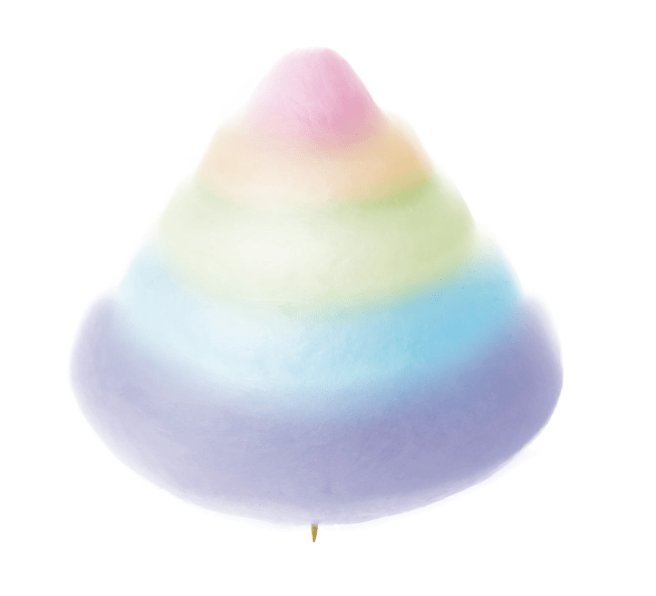
Rainbow Sweets Harajuku

Famous for rainbow cotton candy and cheese sand

https://rainbow-sweets.com/

RYUaparutoman 1F
1-16-5 Jingumae,
Shibuya-ku, Tokyo-to 150-0001

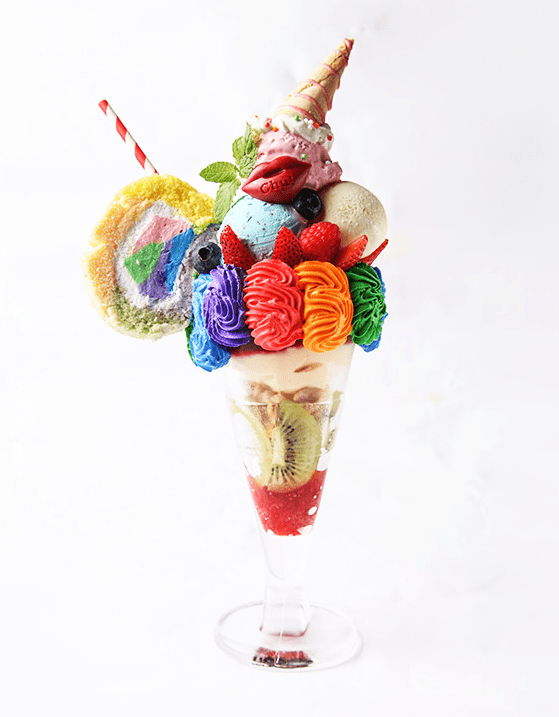
Kawaii Monster Cafe

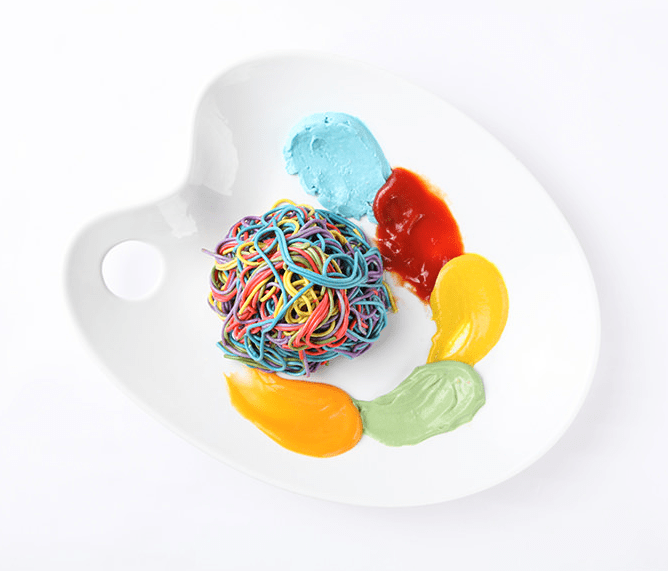
Whole cafe space are themed ‘Kawaii’=Cute, and many colorful menu are available. One of the famous ones are Colorful rainbow pasta, colorful poison parfait extreme.

https://kawaiimonster.jp/

4-31-10 Jingumae Shibuya-ku, Tokyo YM Square Building 4F

Sweet Snack

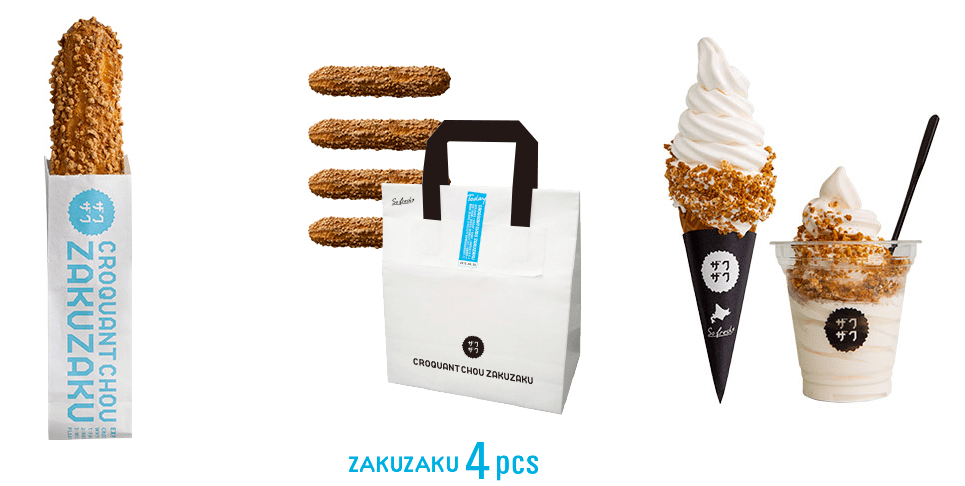
クロッカンシューザクザク (Crokkan shu-Zaku Zaku)

Shop specializing cream puff with crisps outside. Using Hokkaido milk and butter for the cream.

https://zakuzaku.co.jp/

CUTE CUBE HARAJUKU 1F, 1-7-1 Jingumae, Shibuya-ku, Tokyo-to, 150-0001

Pancake

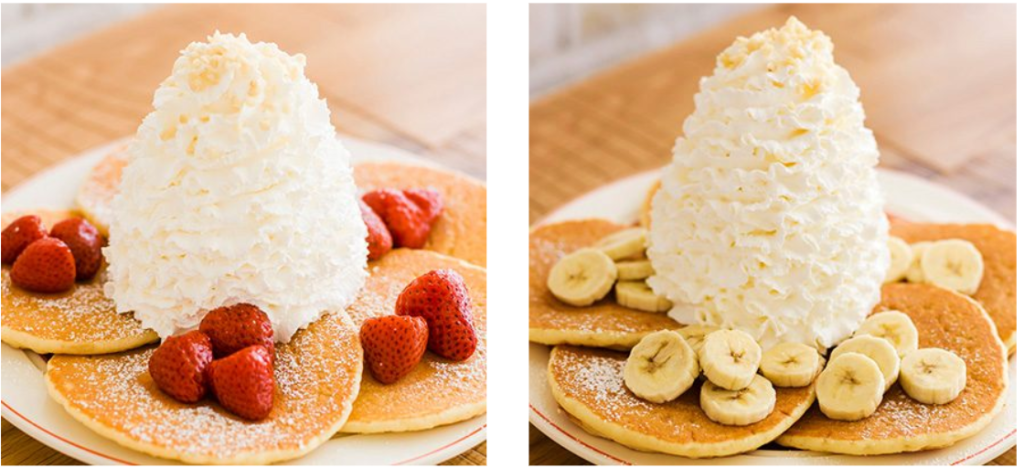
Eggs’ n Things

Hawaiian pancake shop, famous for crazy amount of whipped cream on the top of the pancake.

https://www.eggsnthingsjapan.com/harajuku/

4-30-2 Jungumae, Shibuya-ku, Tokyo-to, 〒150-0001

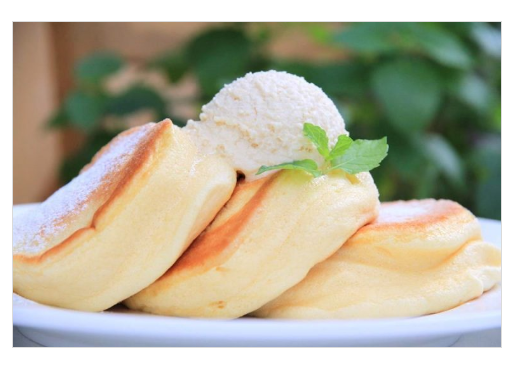
幸せのパンケーキ (Shiawase no Pancake)

Known as the fluffiest pancake, many different fruits toppings available.

https://magia.tokyo/menu

東京都渋谷区神宮前4-9-3 清原ビル B1F

B1F Kiyohara building, 4-9-3 Jingumae, Shibuya-ku, Tokyo-to, 150-0001

Ice cream

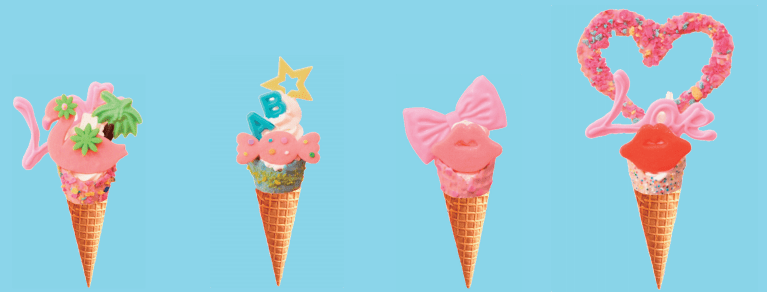
Eddy’s icecream

Can customize own cute ice cream with variety of toppings.

http://eddysicecream.jp/menu.php

1F 4-26-28 Jungumae, Shibuya-ku, Tokyo-to, 150-0001

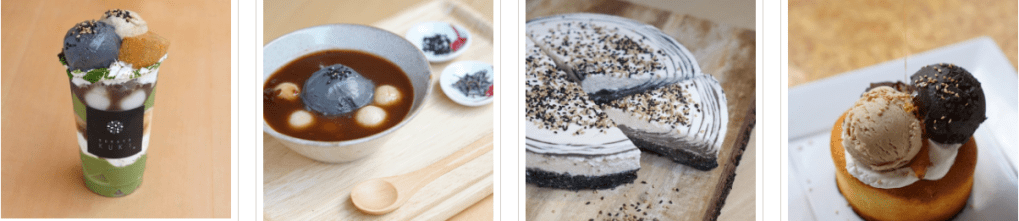
GOMAYA KUKI

Very thick sesami ice cream shop. Each scoop of ice cream contains around 9000 goma seeds.

http://gomayakuki.jp/

1F Harajuku H Building, 4-26-22 Jingumae, Shibuya-ku, Tokyo-to, 150-0001

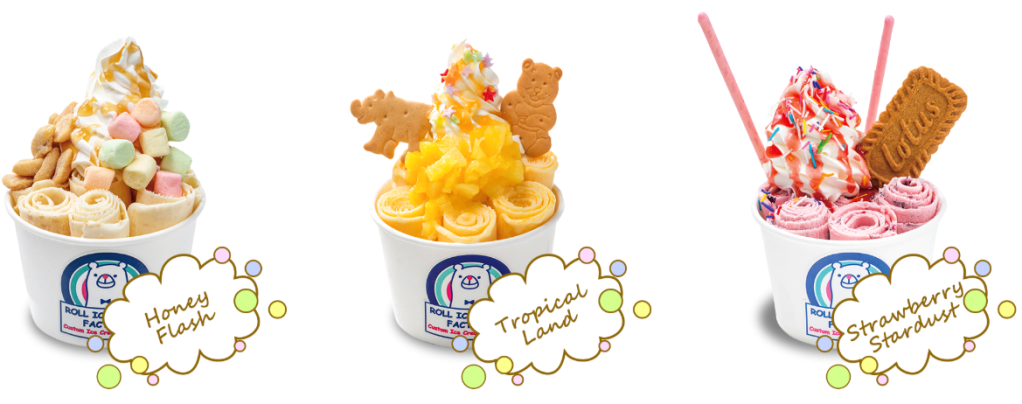
Roll ice cream factory

Rolled ice cream with custom toppings, create with variety of toppings.

https://rollicecreamfactory.com/

4-28-12 Jungumae, Shibuya-ku, Tokyo-to, 150-0001

5th February – 如月

原宿 (Harajuku)No. 1

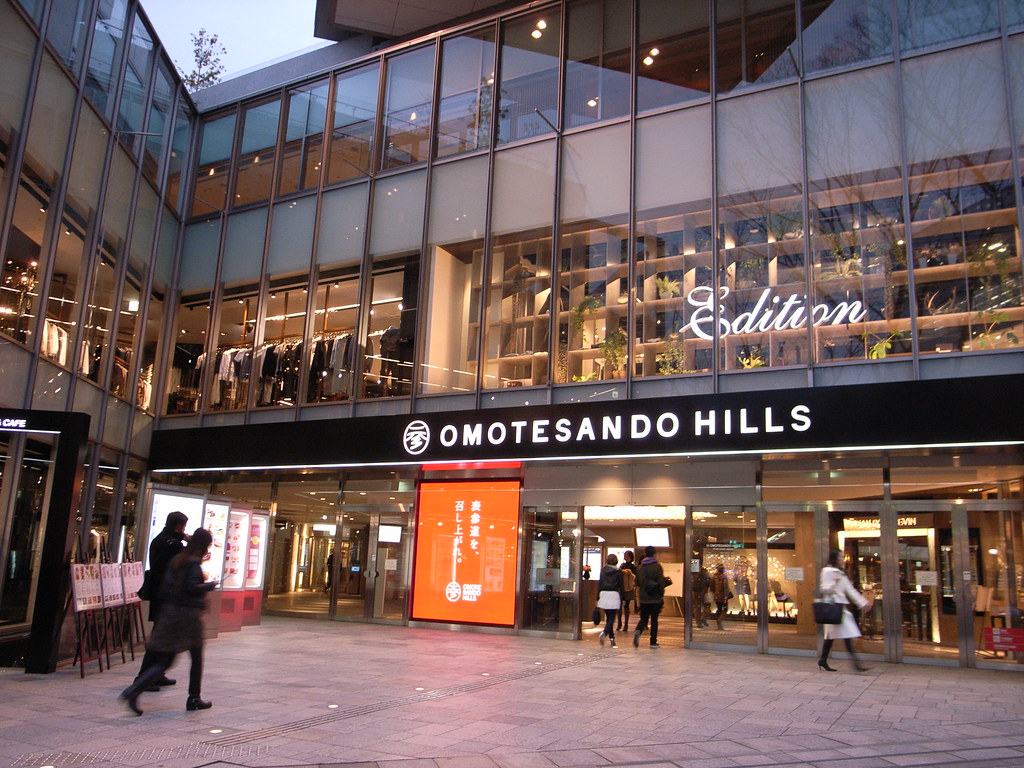
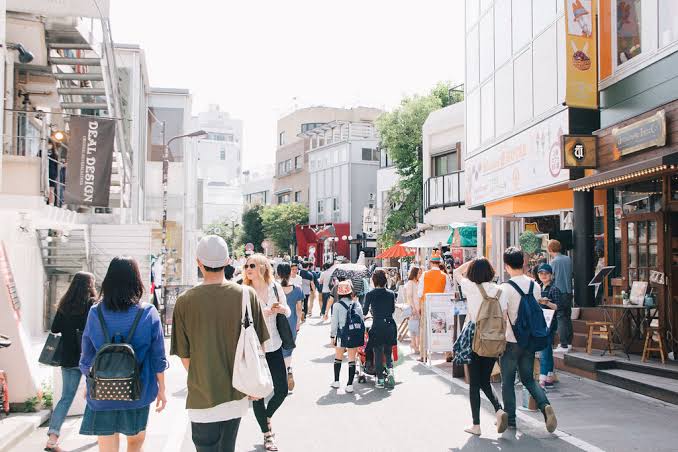
Located in Tokyo, known as the pop, Kawaii culture. There are many unique fashion shops and luxurious boutiques in this area. Harajuku is not the actual name of the suburb, but is the area where includes 神宮前(Junguu-mae),千駄ヶ谷(Sendagaya), briefly described the east area of the JR Yamanote Harajuku station.

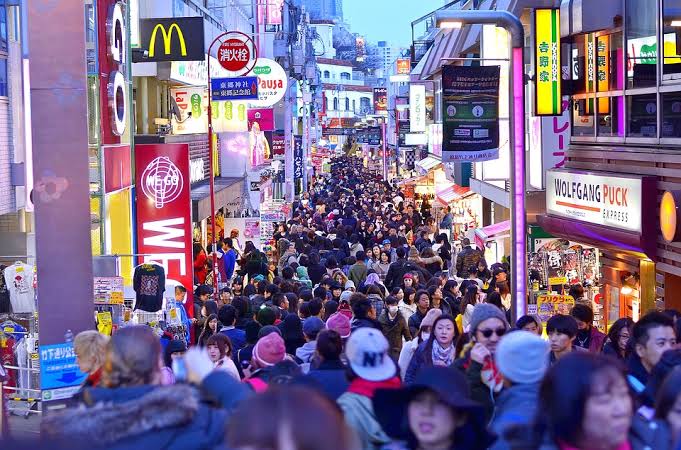
竹下通り(Takeshita-Dori): the most famous street in the Harajuku, huge amount of people walk this street every day.

表参道(Omote-sandou): Street where many fancy boutiques, trendy restaurants and cafes locate on. Many Japanese famous actors / actress visit this area so if you are lucky, you might see them.

キャットストリート(Cat Street): Shopping street. Street goes straight to Shibuya. It is also called as 裏原宿 (Uraharajuku) where the most fashionable clothes gather. As it is little bit far from the Harajuku station, there are less people around.

History behind Harajuku

After the Olympic held in 1964, when the Takeshita-dori got the spot lights, visitors in Harajuku has increased. It used to be a residential area for GHQ (when part of Japan was occupied by the USA) and the families were living there. However, 3 years before the Olympic was held, that area was returned to Japan. Because of this background, there are many Western style buildings and shops.

(Pick up some recommendation where to go)

-明治神宮 (Meiji jingu): located in next to JR Harajuku station. Spiritual and one of the most visited shrine in Japan.

-代々木公園 (Yoyogi Kouen): great nature area in the city. Huge area spreading in the middle of Tokyo

-原宿アートビレッジ (Harajuku Art Village): Gallery for all the artists. Anybody can book the room to show the arts. Many unique arts are displayed.

-Owl’s Garden – Owl Cafe: Where people can enjoy the time with not only owls but also birds such as eagles. Allowed to touch, take pictures and videos, etc.

-ASOKO Harajuku – general goods shop: fun and interesting items from all over the world with affordable prices. There includes accessories, stationary to laundry items, furnitures etc.

4th February – 如月

立春 (Risshun)- The starting date of spring

Today falls in the first period of the season, when a year divided into 24 period by the sun movement. Generally the first day of the spring, Risshun falls in around 2nd of February to 5th of February.

Spring lasts until the period 立夏 ‘Rikka’ the start of summer, around the day before 5th of May.

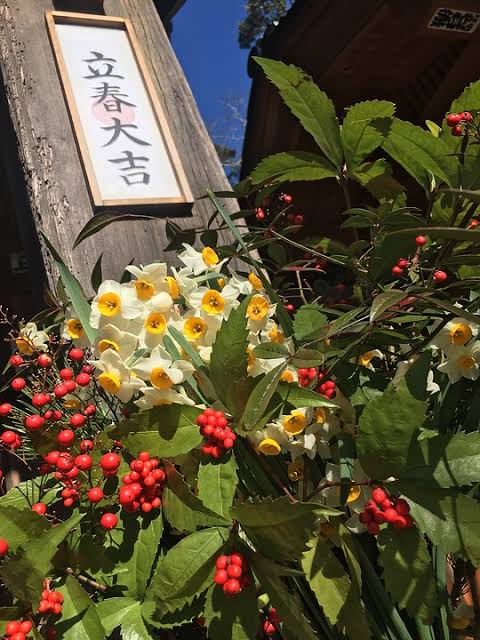
立春大吉 (Risshun Daikichi)

On the day of Risshun, temples put talisman cards on both side of the gate, like the picture below.

the words Risshun Daikichi means The first day of spring, best luck. This words are symmetrical and even looking from the back side, it looks the same as the front.

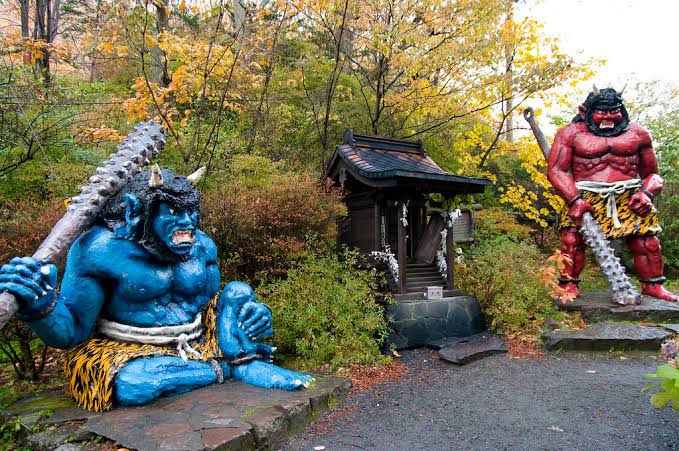
Once upon a time, 鬼 (Oni) – evil came into the temple. When Oni looked back the gate, he found the talisman cards. Because it looked as the same as the front side of the cards, Oni thought he didn’t enter the gate so he went back to the outside!

That’s why this talisman cards were used for kicking the evil out.

3rd February – 如月

節分 (Setsubun)

Day of separating the season. It comes 4 times per year but Setsubun that separates winter and spring is considered as important.

鬼は外、福は内 (Oniwa soto, Fukuwa uchi)

This is what you hear in the evening on 3rd February – meaning, ‘go away evil, come in fortune!’ Throwing the roasted soy beans (福豆 – Fukumame) toward outside and inside the house where evil (鬼 – Oni) might be around, this action is believed to kick the evil out. = 豆まき (Mame maki)

The origin of Setsubun came from Chinese ritual called 追儺 (Tsuina), take bow and arrow to kick the evils away. When it came to Japan, the action changed to throwing roasted beans, in order to also wish for harvest.

鬼 (Oni) is the common symbol of evil. It was believed that all the disasters, famines and illnesses were Oni’s fault.

Scattering roasted soy beans also has meaning – as bean is 豆 (Mame) and roast is 炒る (Iru) in Japanese. ‘Mame’ can be written 魔滅 = destroying evil and ‘roasting’ beans can be considered as 魔の眼を射る ‘Ma no me wo iru’ = shooting the eye of the evil.

Interestingly, in northern area like Hokkaido, they scatter peanuts with shells instead of the roasted beans so it is easier to find the beans on the snow.

Before the Setsubun night, place the measuring box filled with Fukumame on the shrine shelf in the house. If the house does not have the shrine shelf, placing in the southern direction at home is fine. After throwing the Fukumame, family members eat the left over beans – the same number as their age, so that it can prevent illness for the year. If they cannot eat the Fukumame same number as the age, drinking the tea called 福茶(Fukucha), putting 3 Fukumame beans, salted kelp and salted plum, can bring the good health for the year.

People place holly with grilled ardine’s head in entrance, as Oni hates the smell of fish and thorn from holly.

Design a site like this with WordPress.com
Get started