13th January – 睦月

成人の日 - Seijin-no-hi

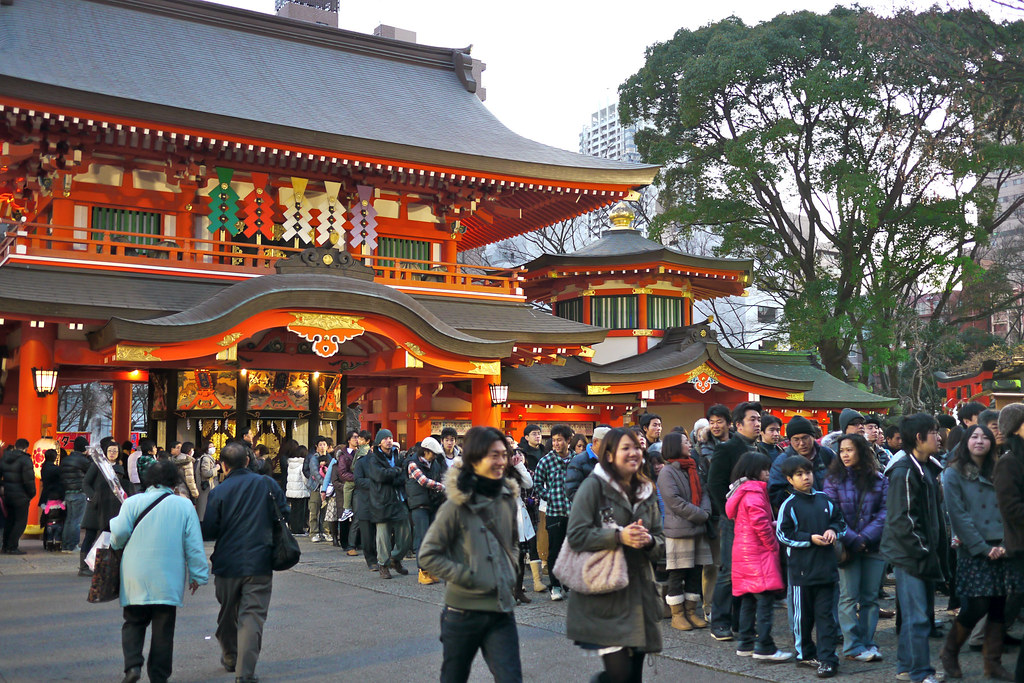
The day to aware that one became an adult and decide to live independently. Celebration for the people who turn to be 20 in the year. Conducted on the second Monday on January.

This year 2020, Seijin-no-hi falls in Monday 13th January and there will be many 18-19 years old girls and boys wearing special clothes.

On Seijin-no-hi, Japanese hold a coming age celebration called 成人式(Seijinshiki).

This event used to be held on 15th January, however, it changed to second Monday in January in order to prosper the tourism and transportation (Three-days continuous holiday to activate the vacation plans), this policy is called ‘Happy Monday policy’.

At the moment in Japan, 20 years old is the official adult age, so from 20 people can drink alcohol, do gambling, go to the clubs, smoke cigarette and so on. This age regulation was settled around the time after the war. Before the war time, it was held for the people aged around 12 to 16 years old. From 2022 1st April, it will be down to 18 years old, so it is expected to have many changes for policies and society in Japan.

Some particular regions, there are special Seijin-no-hi celebrations.

For instance, in Chiba, Urayasu area, they hold Seijinshiki at Tokyo Disney Land. People who were born in that area can go to Disney Land for this event,and the park is closed and reserved for those Seijin (=adults).

Every year, North Fukuoka’s Seijinshiki is reported because of its ‘wildness’. Many Seijin wear crazy costumes to stand out and some of them fight during the ceremony. They invest huge amount of money and time for this event clothes, if you are interest, have a look at this video…pretty interesting

For the girls, they wear a special kimono-alike clothes called 振袖 (Furisode). Furisode is a formal dress for unmarried women and it is believed to prevent evils by wearing it. People rental it or purchase it for the Seijinshiki, and it can cost more than 10,000dollars for the great quality one to purchase (Even normally people wear Furisode on Seijinshiki only…).

As it is for the unmarried women, it was the way of indication for ladies who are looking to marry in the old days. In Japan, women were not allowed to tell the emotion of love to the men and women were used to shame of not married (Maybe this thought keeps going still). Furisode has the long sleeves going down but the kimono for married women has short sleeves, so wearing long sleeve was the way to show that they were still available.

If the men proposed women to marry, the unmarried women shake the sleeve left and right to tell they like them as well, however if they shake up and down, it means they don’t want to have a relationship with that man.

12th January – 睦月

雪 Yuki (Snow)

In the winter time, some of the prefectures have snow falling in Japan. It creates magical scenery to the normal sites and brings a lot tourists in the snowing area.

One of the most famous sites can be in Nagano, the hot spring where you can see the monkey taking a bath – called Jigokudani Yaen-Koen (地獄谷野猿公苑) You can see the bathing monkeys in the cold winter time so don’t miss out if you visit Japan in winter!

Another wonderful must-go winter place can be in Gifu, Shirakawa-Gou (白川郷), the old village with typical Japanese style houses surrounded by nature (world herritage site). It is located in the heavy snowing area so you can see the very white gorgeous view. If you would like to see the village lighting-up, you can book the tour.

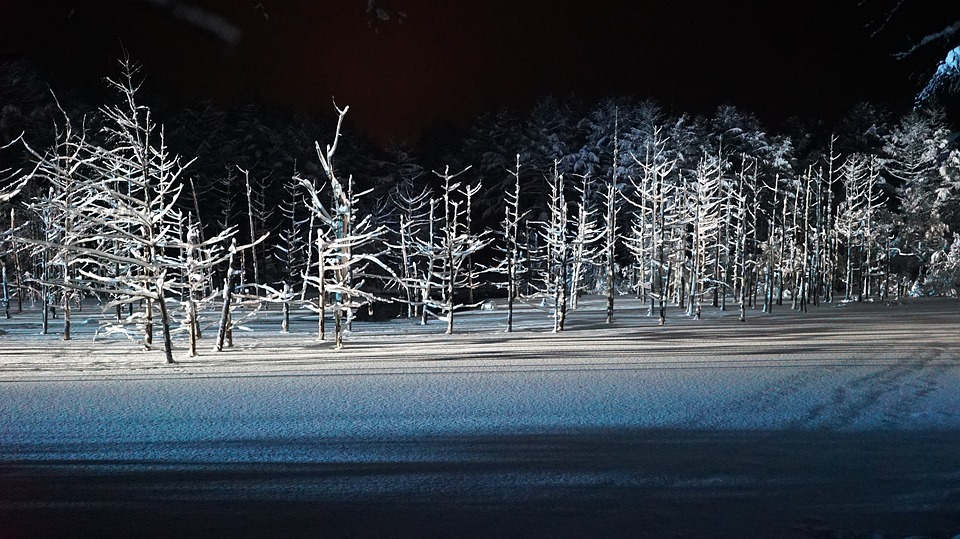
In Hokkaido, Biei area, there is a famous blue pond and water fall. It has very nostalgic view with the lighting up in the winter time. The area is surrounded by the quiet deep forest and the pond gets frozen so it makes a fantasy view.

There are a lot more gorgeous winter sites in Japan, so if you are interested, please have a search and decide where to visit!

One study revealed the most snow falling prefecture in Japan between 2008 and 2017.

Prefectures where had got the largest amount of snow (Accumulation snow depth)

  1. Hokkaido
  2. Aomori
  3. Akita
  4. Yamagata
  5. Iwate

All the top prefectures are located in the Northern area.

Prefectures where had got the most snow falling

  1. Aomori
  2. Hokkaido
  3. Yamagata
  4. Akita
  5. Toyama

For the amount of snow falling, Toyama in the Middle-North area ranked in.

On the other hand, there are areas where there has rarely snow. Those are:

Saitama / Shizuoka / Shiga / Miyazaki / Okinawa

It is obvious that Okinawa does not snow as it is located in very the end south, but it is surprising that Saitama, Shizuoka and Shiga do not have much snow falling.

11th January – 睦月

炬燵(こたつ)‐ Kotatsu

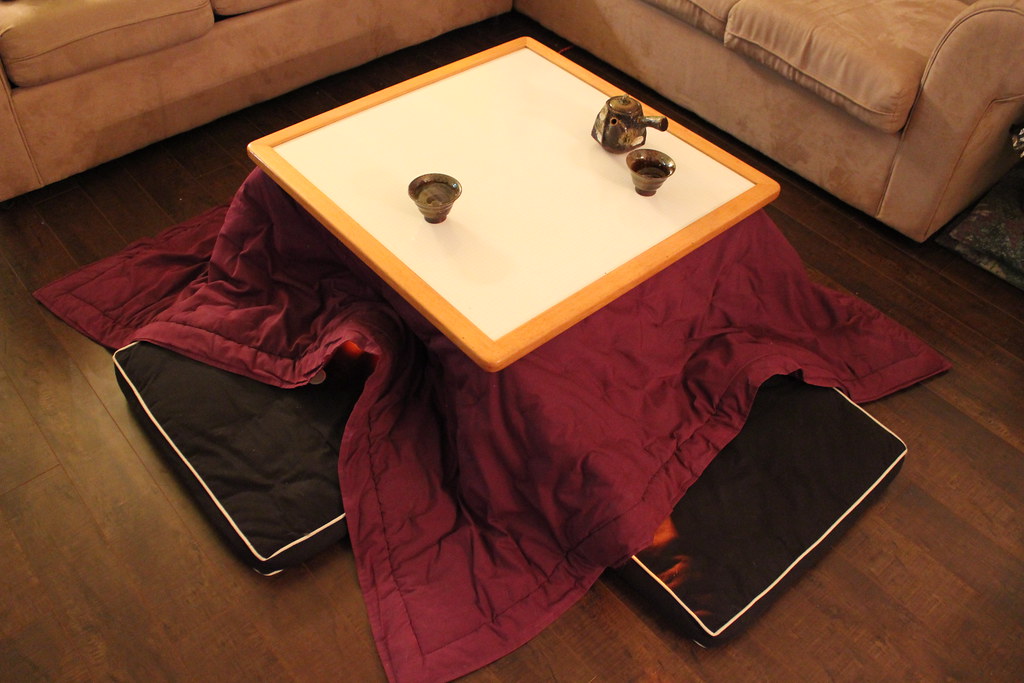
Table covered by blanket with heater inside.

This table appears in winter time and makes the inside very warm. Traditionally, Japanese house sit on the ground and in the old time, there was a hole under the table and used to put charcoal there to make under the blanket warm. = So the ground becomes like a chair because of the hole inside.

Kotatsu started from Meiji-era and it still continues to be seen (In my house as well!).

Have you ever heard of ‘Kotatsumuri'(コタツムリ)? Or can you guess what it is?

Tip for this question is … Snail. We call snail as Katatsumuri (カタツムリ).

The answer is… the people who stay inside the Kotatsu for all day! Because Kotatsu is too comfortable!! Seems like the same shape as the snail doesn’t it?

Kotatsu is very warm and comfortable inside, therefore many people fall asleep.

On the other hand, there is a superstition saying that people will catch a cold if they sleep in the Kotatsu. And it is proved as true… But why?

According to the study, sleeping while sitting in the Kotatsu will make the body temperature out of tune. As upper body is cold being outside and bottom is warm inside the Kotatsu, so body will be confused and cannot control the body temperature.

There is an another reason why we should not sleep while being inside the Kotatsu: because it will evaporate the moisture from our body. While we sleep we lose moisture inside our body unless we hydrate ourselves. The heat from the Kotatsu will accelerate dehydration so it is dangerous to sleep inside the Kotatsu.

DSC_0207

10th January – 睦月

鏡開き Kagami-biraki

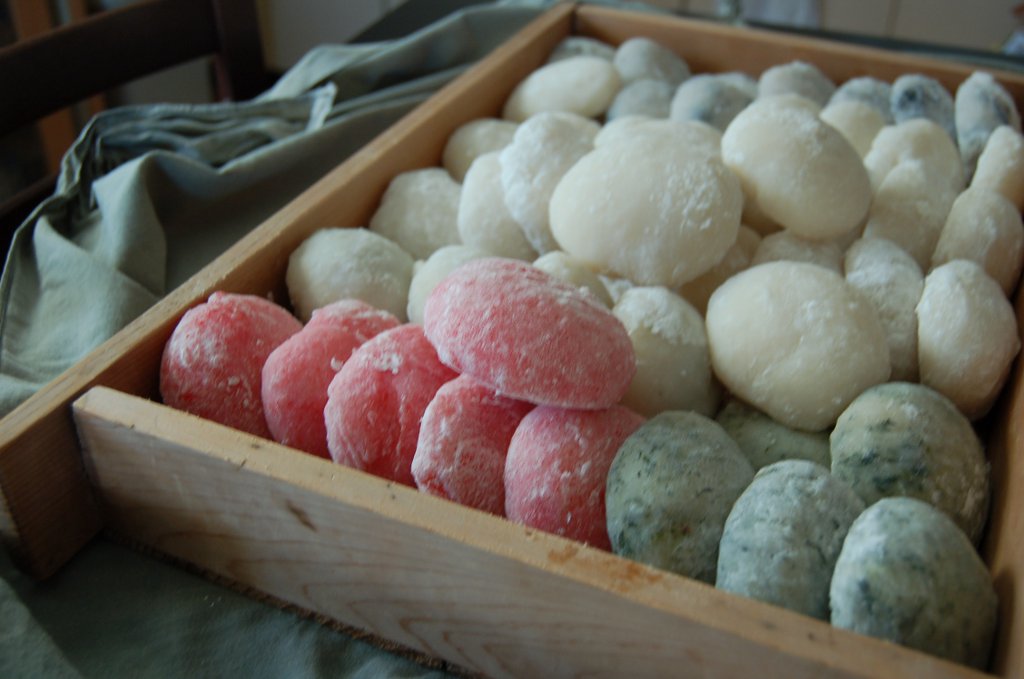
Breaking the Oshougatsu decoration rice cake (Kagami-mochi) and eating it on 11th January.

Do you still remember the Kagami-mochi from the first blog?

As it is already explained, Kagami-mochi is believed to have the soul of god inside and eating it will bring the god into the body. When Oshougatsu comes close to the end, people break the Kagami-mochi and eat it to wish for the good health brought by the 年神様(Toshigmi-sama). It was started from Edo-period and it is prohibited to cut it with knife. This is because cutting it with knife reminds of 切腹 (Seppuku: Suicide by cutting the belly with short knife). Therefore, it is broken by using hands or hammer. Moreover, saying ‘Break’ in Japanese =(割る Waru) is considered as not a nice word, so it has changed to be called as ‘Open’ = (開く Hiraku) … Kagami- BIRAKI = Open the Kagami-mochi.

There are typical Oshougatsu mochi recipes. Here are some brief recipes for you;

焼き餅 ‐ Yakimochi

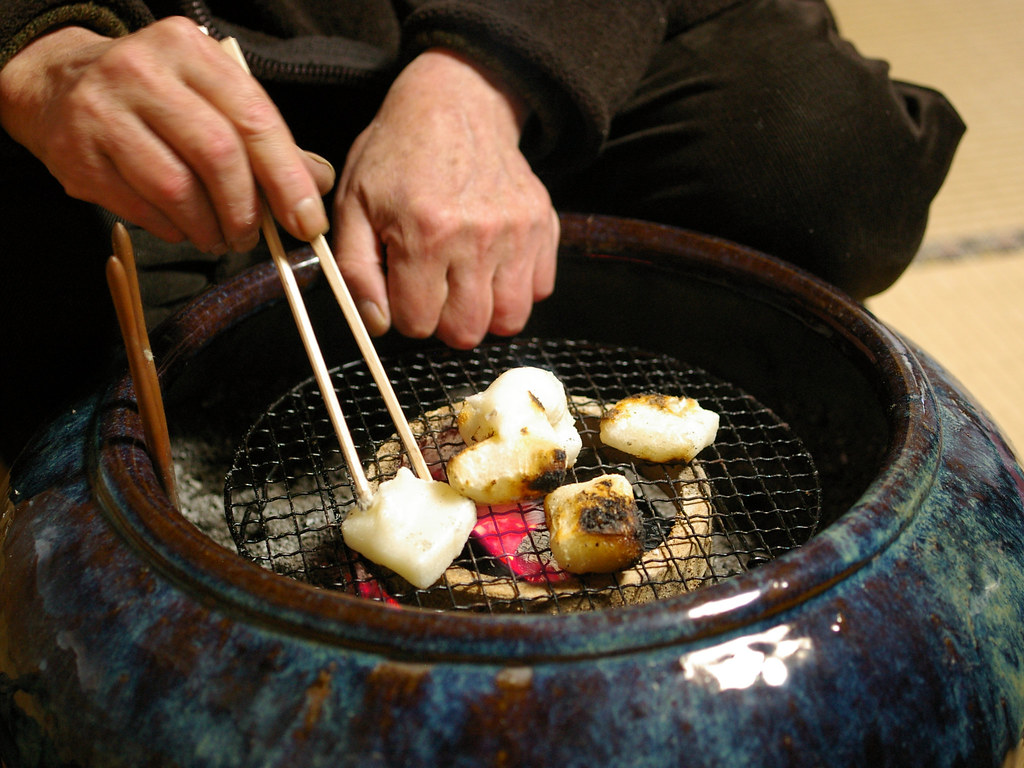
Grill the rice cake and dip in the favorite sauce. Roll with sea weed will give great tastes. One of the common sauce can be soy sauce and mixed soy sauce and sugar 1:1

お雑煮 ‐ Ozouni

For 2 people

*Water: 800ml / * Dashi: 10g / *Sake: 1big spoon / *Soy sauce: 2big spoon / mochi: 2pieces / veges and meats you like

Toast the rice cake in the oven and make a base soup with * , put all the ingredients and boil.

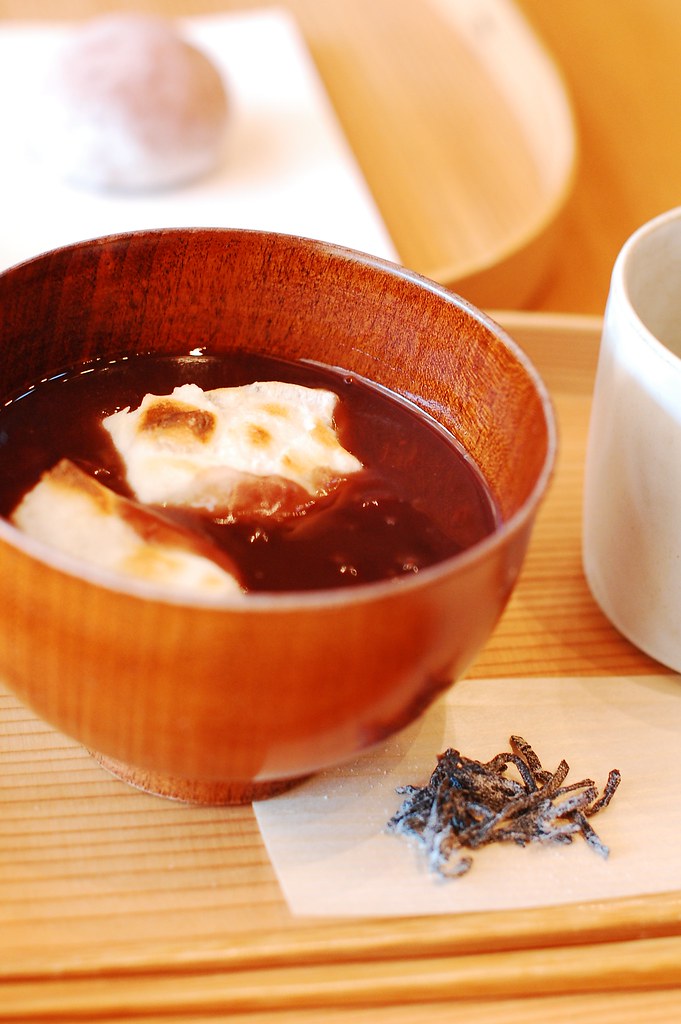
お汁粉 ‐ Oshiruko

For 1 person

Water: 100ml / Salt: Few pinch / Red Beans paste or smashed: 150g / Rice cake: 2pieces

Toast the rice cake in the oven and mix all the ingredients and boil.

いただきます! (Itadakimasu!

9th January – 睦月

お参り - Omairi

When you go to the shrines and temples, there are specific ways to worship the gods or Buddha. Even many of Japanese do not know how to worship (お参り Omairi), so maybe you can be the role model for them at the temples or shrines!

Shrine

  1. Bow one time before going into the 鳥居 (Torii gate)
  2. Do not walk in the middle of the road as it is considered as the road for the god. Therefore, walk on the side
  3. At the Chouzu-sha(手水舎: Where the water to clean the hands and mouth), fill the Hishaku (柄杓: Water scooper) and hold it with right hand
  4. Wash the left hand, then hold Hishaku with left hand to clean right hand.
  5. Hold Hishaku with right hand again and grab the water with left hand to wash the mouth (do not swallow the water)
  6. Hold the Hishaku to vertical level and wash the handle with the rest of water in it
  7. Place Hishaku back where it belongs
  8. Stand in front of the main worship area and bow one time
  9. Toss the coins (お賽銭:Osaisen). – the amount you want to donate to the shrine
  10. Bow twice
  11. Clap the hands twice (Shift the right hand position slightly different to left hand to make the loud clap so that god can hear: this way is called 柏手 Kashiwa-de)
  12. Tell the wish to the god
  13. Bow one once
  14. After getting out from the Torii gate, bow towards the god inside the shrine

Perfect!

Temple

  1. Bow to the 山間 (Sankan: main gate) with putting the palms together (合掌 Gassyou) in front of the chest
  2. Walk toward the gate from right foot for ladies, left foot for gents (Do not step on the gate sill)
  3. Clean the hands and mouth at Chouzu-sha (手水舎) with the same style as at the shrine
  4. Go to the main worship area and toss the coins (お賽銭 Osaisen)
  5. Bow once with putting the palms together (合掌 Gassyou)
  6. お焼香 (Oshoukou): Burning incense, it is believed that burning incense will clean the mind and take the impurity away. take the pinch of incense with left hand and bring it in front of the forehead, then put it back. *In the other case, there might have it in a huge vase. soaking oneself with that smoke to clean the mind.
  7. Put the palms together again (合掌 Gassyou) then pray and bow once.
  8. After getting out from the Sankan gate, bow towards the main worship area.

Great Job:)

Now you know how to behave in the shrines and temples, why don’t you actually visit there to impress all the Japanese there!

8th January – 睦月

お年玉 Otoshidama

Giving money the relative kids in the New Years time.

Long time ago, it was completely different event; the leader of the house gives rice cake which was offered for the god to the family.

The concept of this custom was to get a rice cake from Toshigami-Sama (house god) in the early New Years time. As it has believed that the soul of god comes into the rice cake (Kagami-Mochi, blog.1), so eating rice cake is to obtaining the god’s soul into the body.

Around the high economic growth time in Japan, the way do this custom has eventually changed to the money given from older people.

For Oshougatsu celebration, if somebody from the family passed away during the previous year, Japanese refrain the general celebrations until after one year passes, the time period for this is called Mochuu (喪中).

There is no restriction for that However, generally many people follow this custom. While mochuu, the family send the mochuu mail (喪中ハガキ) instead of New Year’s greeting card (Nengajou), to inform people that they cannot celebrate the new year coming due to the incident. Moreover, it is considered right not to hold a wedding ceremony nor going to shrine unless there are special reasons. 

The best thing is everyone to be healthy all the time!

7th January – 睦月

七草がゆ Nanakusa-Gayu

Japanese eat porridge with 7 different types of grasses in the morning on 7th January.

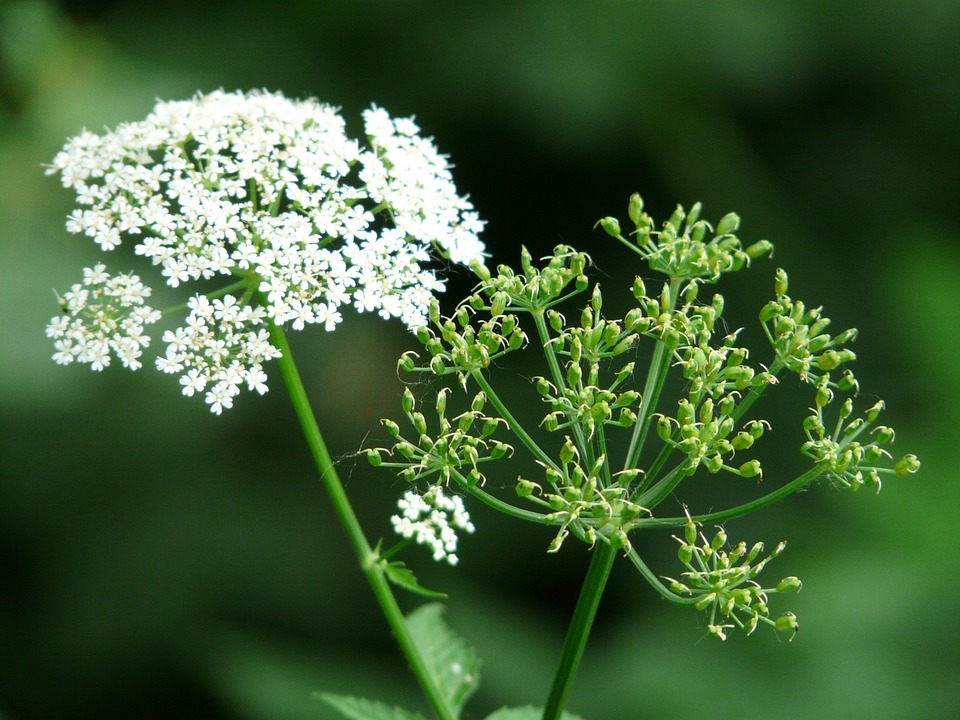
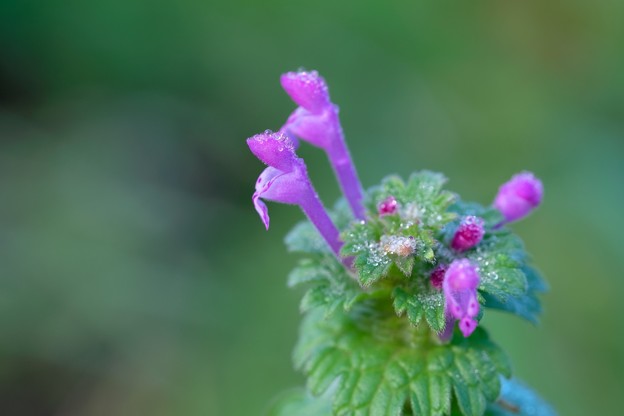
Those 7 grasses bloom first in the spring and are believed to protect people from evils. It’s good to eat this porridge around this time because people had eaten a lot oshougatsu food. People’s stomach must had been very tired so this food can rest the tummy.

As you have already noticed, Japanese love to put the meaning with word sounds and yes some of them here have that tendency.

セリ (Seri) – winning the competition (競 Seri)

なずな (Nazuna) – meaning of cleanliness, eliminating impurity by patting it.

御形 (Gogyou) – the body of Buddha 

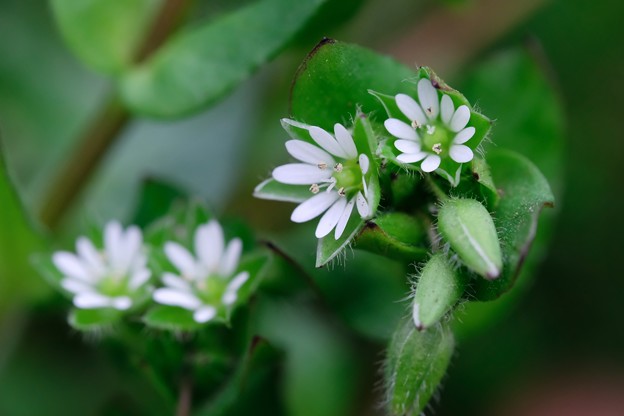
はこべら (Hakobera) – spreading prosperity. spreading: はびこる Habikoru

ホトケノザ  (Hotokenoza) – the chair of Buddha 

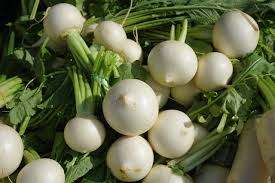
すずな  (Suzuna) – the bell to call the gods, Turnip

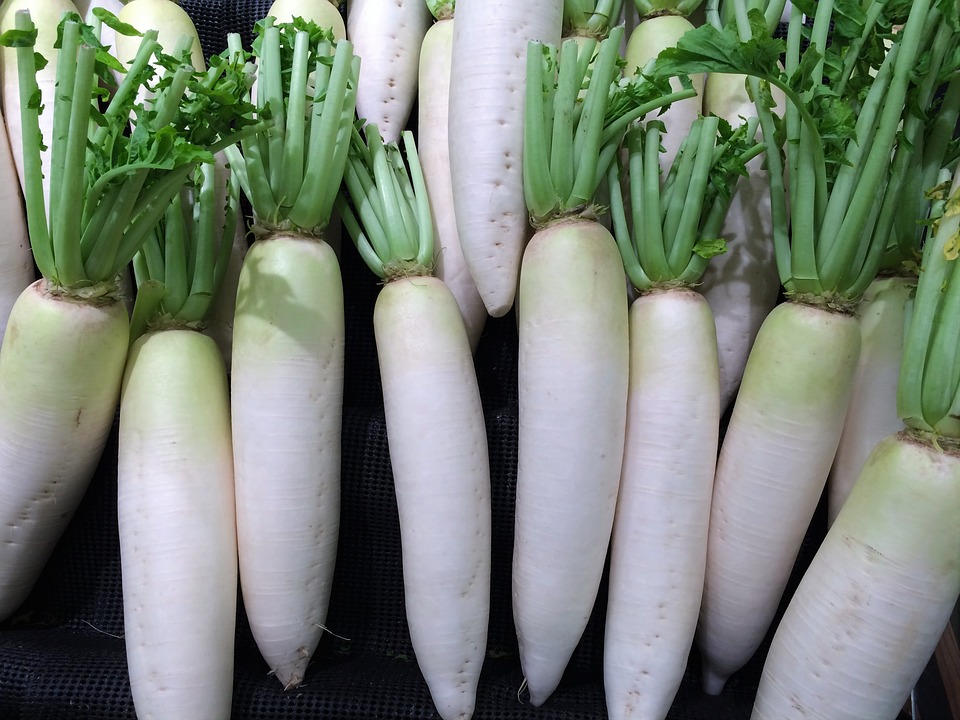
すずしろ  (Suzushiro) – pure white (しろ Shiro), Chinese Radish

Eating this to heal the body fatigue with the implication of hoping for the long life.


Would you like to try this grass porridge?

Come to Japan in 7th January!:)

6th January – 睦月

書初め (Kakizome)

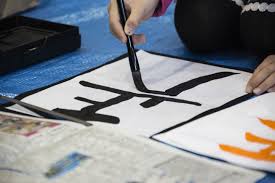
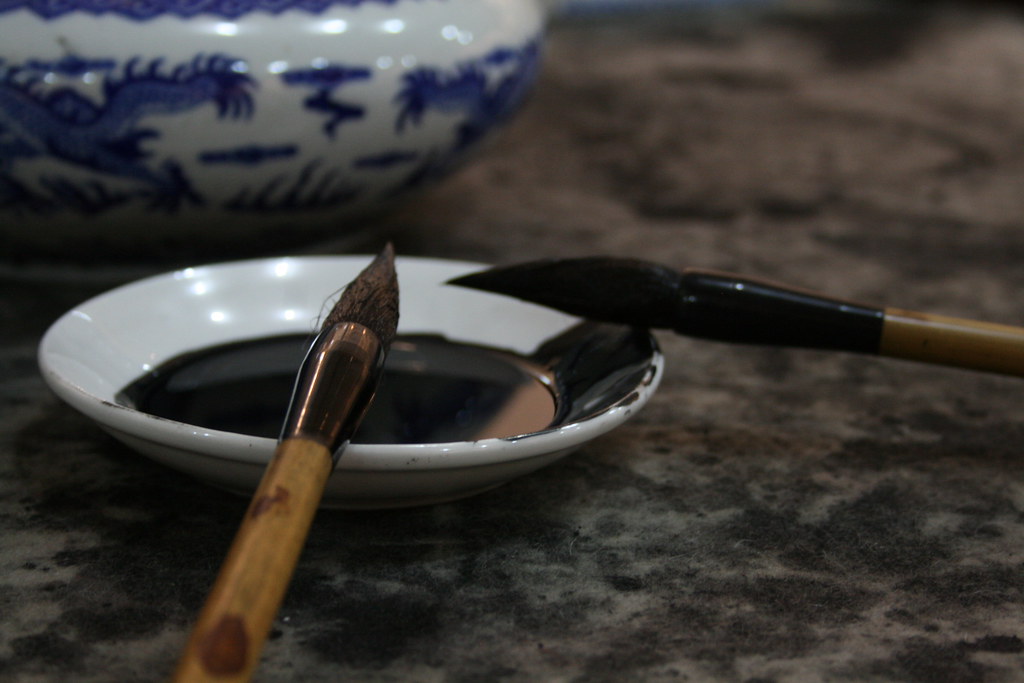
Japanese Calligraphy (習字 shuji) which has traditionally conducted on 2nd January, writing new year resolution on shodou Paper. In the old time, it was only done by nobility.

Nowadays most people do not do this in the traditional way, making the ink with the water which was taken for the first time in the very early morning on New Year’s Day. Then positioned toward the year’s best direction (恵方, Ehou) and writing poet.

Somehow it has changed to the style of writing the resolution (goal of the year).

Kakizome has an another objective for doing that: wishing to be better at writing

This writing will be burned when the event どんど焼き (Dondo-Yaki) occurred in the middle of January. Dondo-Yaki is the festival to burn the decorations which were placed at home during the Oshougatsu period, at the shrines. It is believed that the higher the smoke goes up, the better the writing improves. This festival is conducted due to send the god back to the sky. If people touch the smoke, it gives a better health and great achievement on studying. The ash from the burning can protect people from evils.

Speaking of Kakizome, one of my cool Japanese friends is doing YouTube channel showing how to write your English name into Japanese Kanji. And this time she made a special version for Kakizome. If you are interested, click here or the video below to jump to her YouTube video!

Hikari / Hikaligraphy
[Japanese Calligraphy】How to say and write “Happy New Year” in Japanese? 今年の抱負を書道で書いてみた #04 ヒカリグラフィー

5th January – 睦月

年賀状 (Nenga-jou)

New Years Greeting Card- thanking for the previous years kindness and relationship and cerebrating for the new year.

Nowadays people send 年賀状(Nengajou) to people who are friends, relatives and wants to keep the relationships. However, in the older time it was sent for people who they cannot see them on New Years time (there was not easy to travel to see people if they live far). 
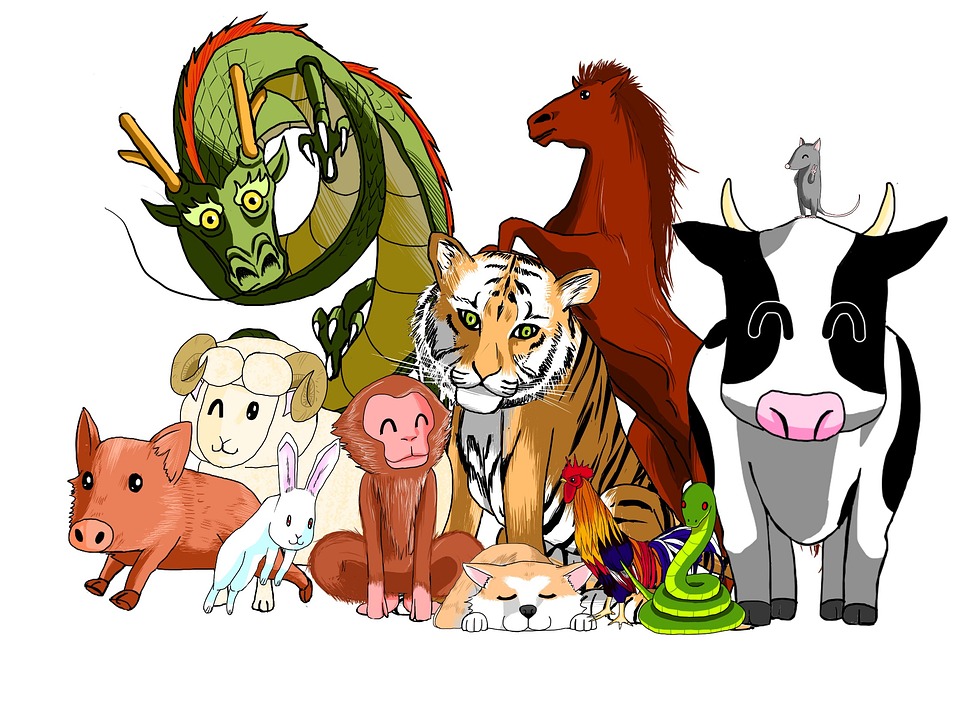
On most of the new year greeting card, there are a theme of one animal each year. This have a relation with Chinese Zodiac and it circulate in 12years – the animals are;

十二支 juunishi (Chinese Zodiac)

子ねRat   

丑うしOx   

寅とらTiger   

卯うRabbit   

辰たつDragon   

巳みSnake   

午うまHorse   

未ひつじSheep   

申さるMonkey   

酉とりRooster   

戌いぬDog   

亥いBoar

Those animals have been used for direction and it explains the year as well. 
The order for the Chinese Zodiac animals has a stories, one is;

Once upon a time, the god held a animal race on 1st January, and allow 12 first arrivers to become a boss of each year.

Ox was coming the first but the rats on the top of the cows slipped into the goal tape before the cow! So the first goal was Rat followed by Ox. The ox blamed rat and said Moo Moo (Japanese says Moo when they get flustrated), this is how the ox make sounds.

The dog and monkey came to goal but they were fighting – the origin of the proverb 犬猿の仲 (Ken En No Naka) – means really bad relationship.

The 13th arriver was flog (Kaeru), flog was disappointed and said I am going back home (もう帰る mou kaeru).

Cat was told by the rat that the race was going to be the another day, that’s why cat could not be in jyuunishi. After noticing rat lied, cat came to the place where god and all the first 12 animals cerebrate and chase rat around. This habbit keeps continuing just like Tom & Jerry!

This year 2020 is the Rat year, so what is your year animal?

4th January – 睦月

おせち料理 (Osechi-Ryouri)

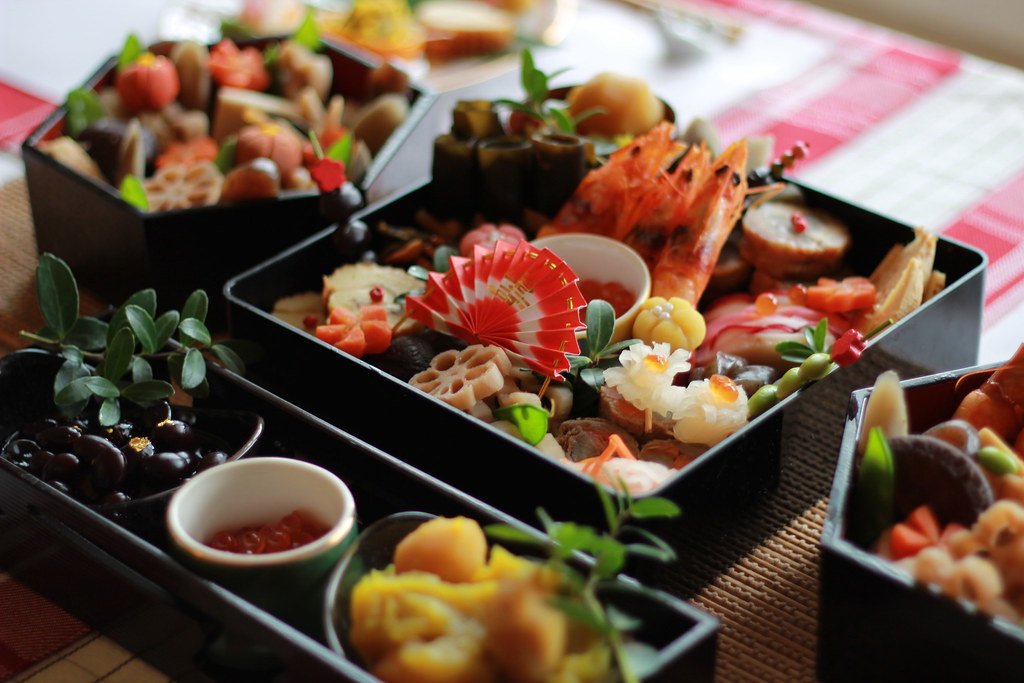
Osechi (おせち) is the special fancy food for new year time, for thanking the great harvest to the god. It is made with the harvest for the season. Each ingredient used in this dish have unique meanings;

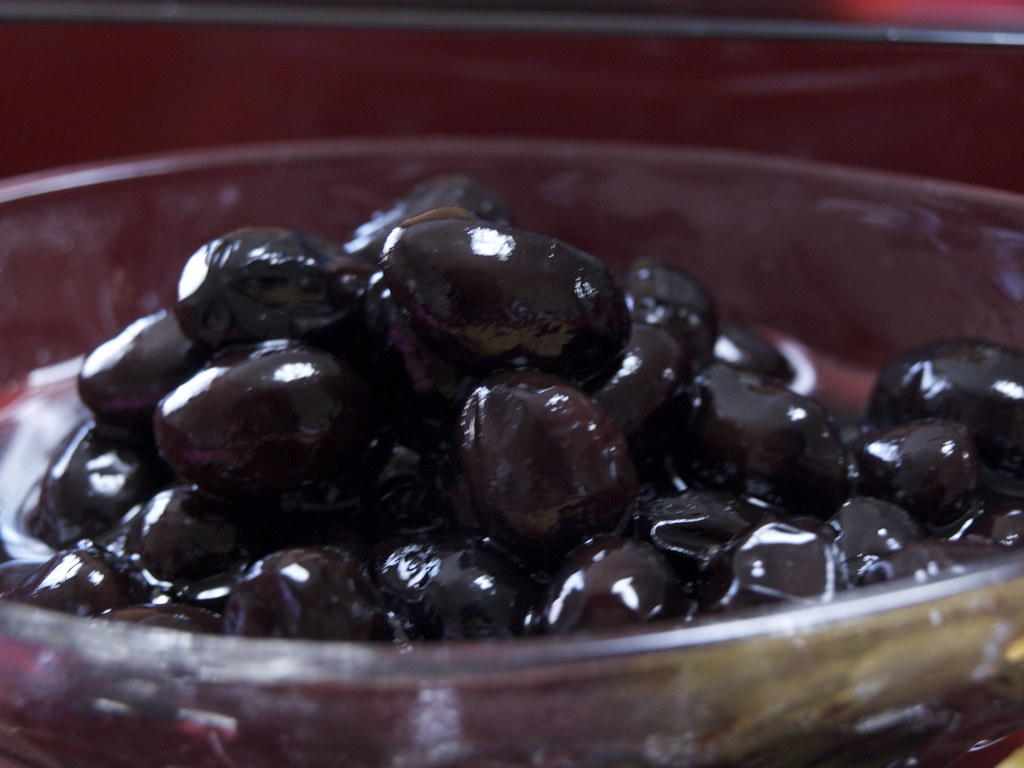
黒豆 Black beans

Bean (まめ) has the same pronunciation as active(マメな人-Mame na Hito), so wishing to be active and healthy

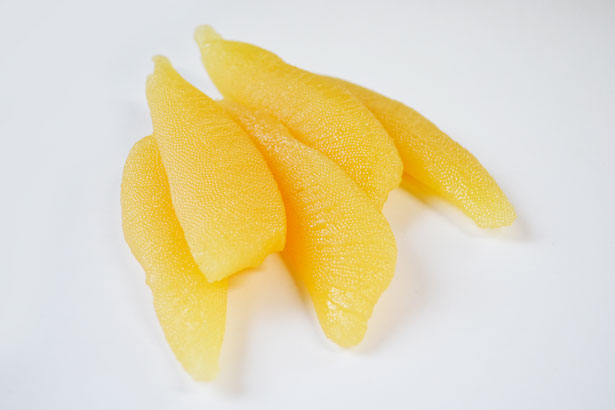
の子 Herring Roe

It has a lot eggs therefore it has a wish for descendants prosperity 

昆布巻き Kelp Roll

昆布(Konbu) is implied as 喜ぶ(Yorokobu) meaning of pleased. Wishing good health and long life

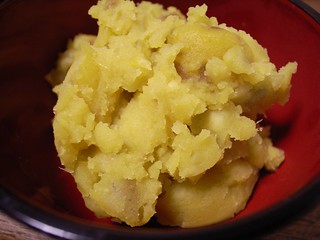
栗きんとん Sweet Chestnuts with mashed sweet potato

The golden colour links to the gold, therefore wishing for more fortune

Etc…


Osechi is fitted inside the two to three tier lacquered box, as it has the wish that the happiness comes repeatedly.
This traditional custom came from China and it became common in japan in Nara to Heian era.

Itadakimasu! (いただきます)

Design a site like this with WordPress.com
Get started