衣替え (Koromo gae): When the season changes, change the clothing accordingly.
Generally, 1st June is the day most department stores and clothing shops change the display clothes to summer style. Summer clothes are sold around June till the end of September, then Winter clothes are sold during October and in the end of May.
In the school as well, from June many students start to change their long sleeve shirts to short sleeve.
Japanese style this summer
Every season each year, there are special trend for fashions in Japan. This year is themed as ‘sustainability’ – good care and continuous improvement for Environment, Economic and Society (three pillars). For Japanese fashion concept, it seems like focusing mainly on environment. Trend color is earth color, using the natural materials and eco-friendly processes / items are preferred this year. On this summer, it is expected that customers will go for simple and relaxing wears.
Let’s change the clothes inside the cabinet for the new season, so we are ready for the new season!
梅雨 (Tsuyu), the rainy season falls around June till mid July every year in Japan. During this season, many days have rain or cloudy days, so it’s very humid and damp. The Kanji 梅 means plum, this is because 梅雨 season is the time when plums ripen.
Today, the Shikoku area started 梅雨入り (Tsuyu Iri = when Tsuyu starts), and it is 5days earlier than usual year.
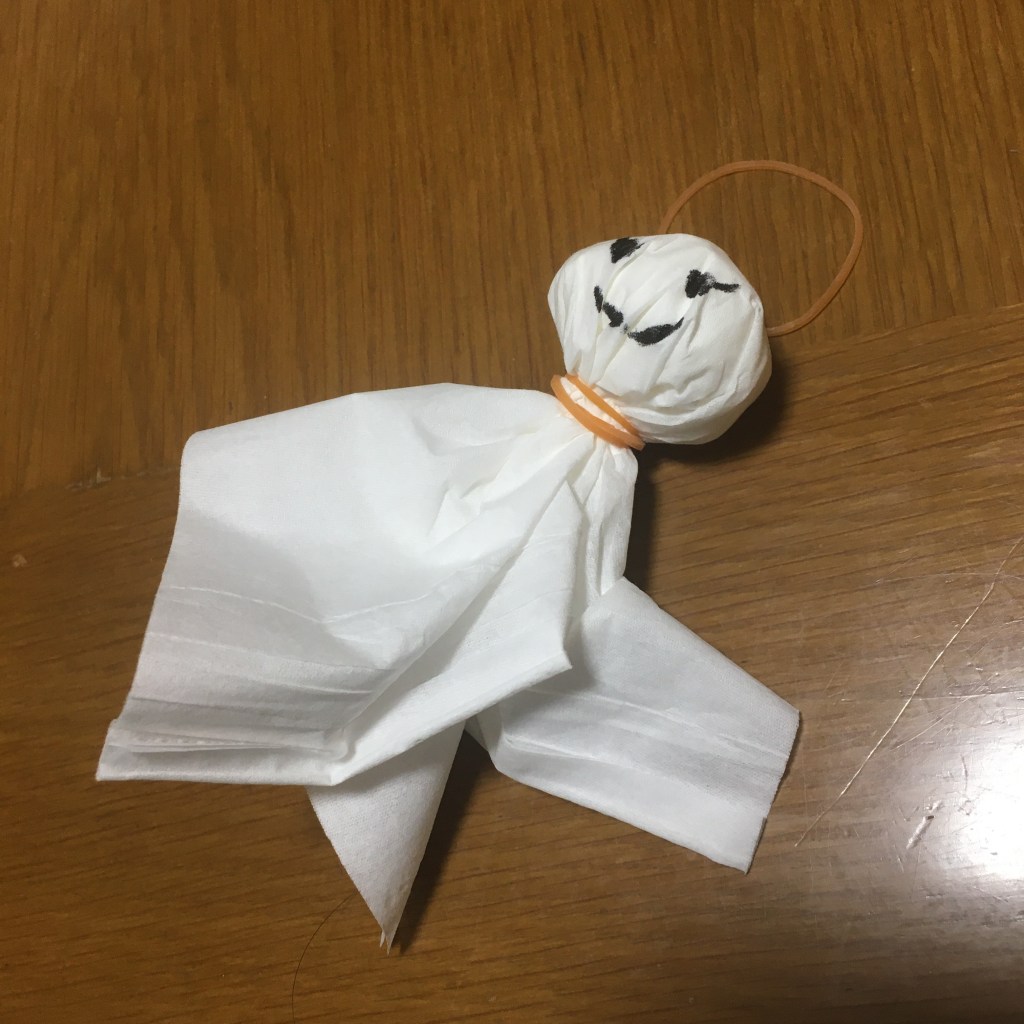
Speaking of the rain, Japanese often put one ornament called てるてる坊主 (Teru Teru Bouzu) to wish for the sunny day tomorrow. The way to make てるてる坊主 is very easy;
1. Make a ball by crumpling tissue paper.
2. Wrap that ball by another tissue paper, then make it look like a head and body wearing rain coat.
3. Put a rubber band around the bottom of ball.
4. Put another rubber band at the head of ball and stick it with tape.
5. Hang it close from the window and wish for tomorrow to be sunny!
By doing this, there is no evidence to become sunny but many still keep doing that.
On the other hand, if you would like to wish for rain, you hang it upside down.
Even during 梅雨 season, people can still enjoy their life as in Japan there are heaps indoor entertainment!
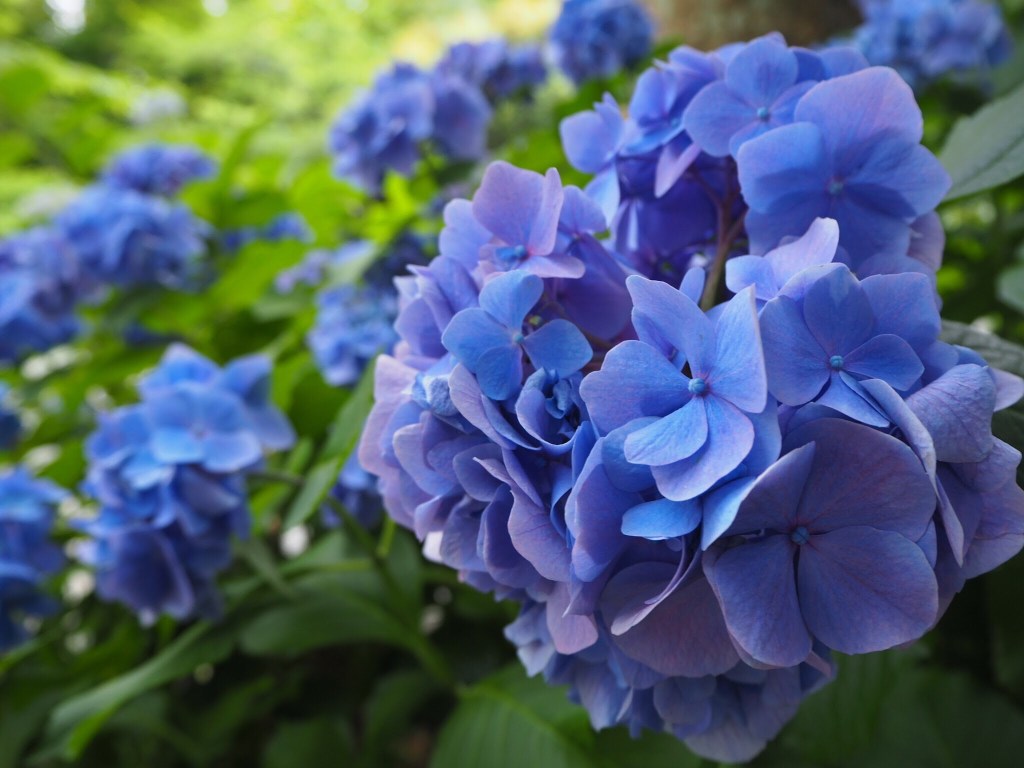
For speciality of visiting Japan in that season is, you can see the beautiful flower called 紫陽花 (Ajisai, Hydrengea Macrophylla) – The small flowers gather and makes it huge, it has variety of colors. In Kamakura, Kanagawa prefecture, there has great Ajisai blooming places so if you visit Japan in 梅雨 time, I definitely recommend you to see them there!:)
Probably many people who like Japan know what Studio Ghibli is – Japanese animation company which have produced many popular films. Ghibli movies have beautiful drawings and fantastic music so it has been loved by various generation in Japan. Some non-Japanese pronounce Ghibli as ぎぶり (Giburi). However the correct way to pronounce it is じぶり (Jiburi).
Today I would like to introduce my personal favorite Ghibli movies that you should watch at least once in your life! (Studio Ghibli)
千と千尋の神隠し (Sen to Chihiro no Kamikakushi) – Spirited Away
This is absolutely the best anime movie I have ever watched in my life! All the drawings are very detailed just like real, and music is no doubt amazing. It is about the young girl’s growing up story, it is a fantasy but somehow feels like it’s real. spirited away never disappoints me even after watching thousands times!
ハウルの動く城 (Haulu no Ugoku Shiro) – Haul’s Moving Castle
Haul’s moving castle has its original book work from England, and Hayao Miyazaki made it as an awesome movie. The scenery of the city on this film is more like Western style and all are drawn in very detailed touch. The most famous music in this movie has Walz rhythm so it perfectly matches to this movie. A lot magic and human stories in this movie, and it is hard to understand all the meaning of each characters’ actions / changes occurred during the movie if you only watch one time. When you figure out why “those” tubings happen, you probably cannot stop watching it again and again, just like me!
耳をすませば (Mimi wo Sumaseba) – Whisper of the heart
Whisper of the heart is about the juvenile romance story, very heart-warming. This movie shows the typical school life so those reminds adult of their school life – nostalgic! It has very detailed drawing for all the scenes plus the shops and views look very similar to normal sceneries in Japan, so if you already have visited Japan, you might feel like you saw the places you visited on the movie!
もののけ姫 (Mononoke Hime) – Princess Mononoke
This movie is based on the ancient Japan , about the human and nature. This film has such a beautiful soundtracks. By listening them, you can feel all the scenes of the movie – majesty of the nature, scary fight, anxiety and peace. With those great music, the story becomes fascinating and beautiful, I recommend all to watch several times! When I watched this movie for the first time, I felt it was very frightening. However, now I can understand the meaning of the movie, after growing up and having watched hundreds times.
Have you ever watched any of those movies before?:)
When you go for travel or when you see overseas visitors in your country, have you ever encountered Japanese tourists? In often case, those people came together with another friend ( *not always and depends on people), this tendency has grown from school time. Especially for girls, there are implicit rules of being together (一緒, Issho). And sometimes it is beyond what you could expect!
Based on my personal experience, in elementary / junior high / high school, or even after, many girls group up and act together all the things. For instance,
-going to bathroom together
-confessing love to the ones each girls like at the same day (helping each other to bring the boy to friend and watch them at the back from the beginning to the end if it was successful or not)
-applying for the same part-time job together and work together
-choosing the same school and clubs based on friends
-having the same products and goods (same clothes, same pencils, same notebook etc)
Japanese have kept the strong idea of adjusting yourself to the surrounding people. Moreover, Japanese tend to think behaving by oneself / “alone” is lonely, isolated and bad, negative thing. Therefore, many have the habit of belonging in group and act together. If one person act by oneself, this person probably become a target for bullying.
Many people suffer from the ‘culture of always together’ in Japan even after school time too. Going to the party which they do not want to join, buying a same thing because feiend likes it (not your favorite) and joining drinking with coworkers and boss because others would think you are bad if not joining. If friends have the same interest or they genuinely want to do it, it is perfect, but many people have 表面上の友達 (Hyoumenjou no Tomodachi) – superficial friendship. In that case, Japanese cannot say ‘no’ easily as they are not close so they feel insecure to reject it. This is the weird part of Japanese culture.
Protective relationship can be both good and bad (peace in mind / not able to make new friends). How is the culture about friendship in your country?
早口言葉 (Hayakuchi Kotoba) is the sentence to say quickly, the sentences have similar sounds or related sounds repeated several times, therefore those are hard to pronounce correctly. As well as tongue twister exists in English, so does in Japanese.
Japanese 早口言葉 often have following sounds , which makes the sentence difficult to say correctly:
きゃ•きゅ•きょ (Kya, Kyu, Kyo)
まみむめも (Ma Mi Mu Me Mo)
ぱぴぷぺぽ (Pa Pi Pu Pe Po)
ばびぶべぼ (Ba Bi Bu Be Bo)
When you pronounce those word slowly or normal speed, it is fine but when you say quick three times, things are different!
Here are the classic 早口言葉 most Japanese have heard of:
-生麦生米生卵
(Namamugi Namagome Namatamago)
Meaning: raw wheat raw rice raw egg
-赤巻紙青巻紙黄巻紙
(Aka Makigami Ao Makigami Ki Makigami)
Meaning: red paper roll blue paper roll yellow paper roll
-バスガス爆発
(Basu Gasu Bakuhatsu)
Meaning: the Bus explodes due to the gas
隣の客はよく柿食う客だ
(Tonari no Kyaku wa Yoku Kaki Kuu Kyaku da)
Meaning: the neighbor visitor often eats persimmon
坊主が屏風に上手に坊主の絵を描いた
(Bouzu ga Byoubu ni Jouzu ni Bouzu no E wo Kaita)
Meaning: the Buddhist preist drew his portrait well on a folding screen
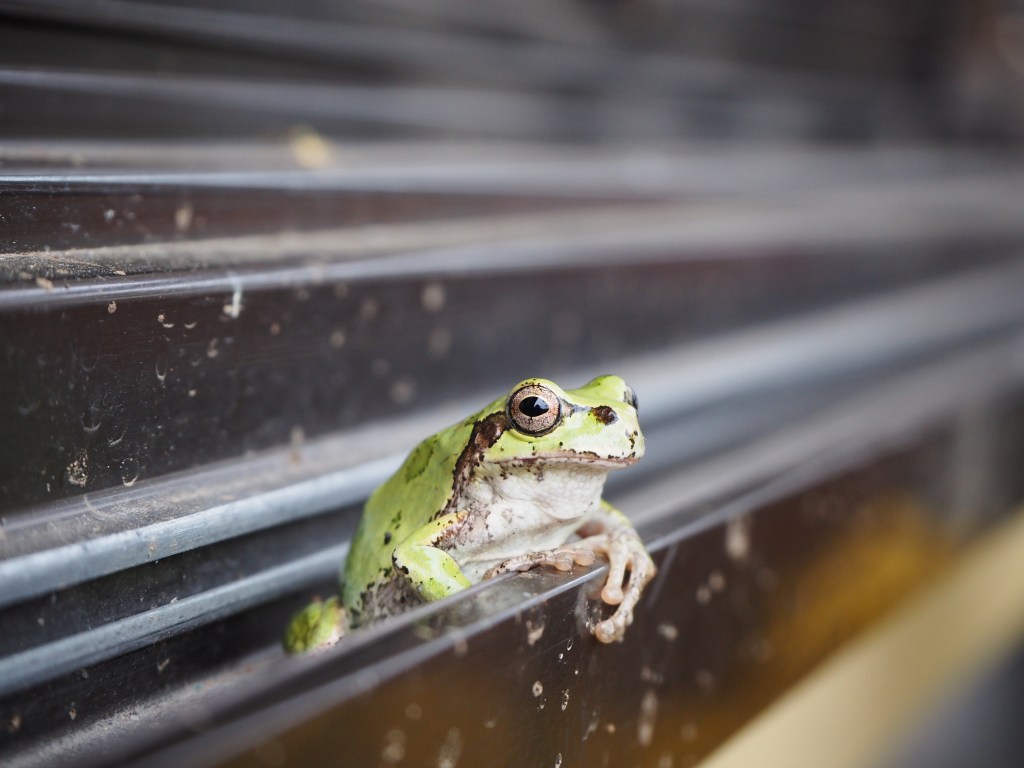
蛙ぴょこぴょこ みぴょこぴょこ 合わせてぴょこぴょこ むぴょこぴょこ
(Kaeru Pyoko pyoko Mi Pyoko pyoko Awasete Pyoko pyoko Mu Pyoko pyoko)
Meaning: frogs are hopping three of them, all together hopping six of them
Are you able to say them 3 times quickly / correctly?:) Does your country have 早口言葉?
As every time on 27th, today’s theme is about ghost stories / urban Legend in Japan.
Have you ever heard of UMA (Yu-ma)? UMA means mysterious / unidentified animals in Japan and several times every year, the TV shows have the programs that shows the videos and stories about UMA. Most likely, summer is the season that showing those ghosts and mysterious phenomenon programs shown on TV.
One of the most famous UMAs in Japan is つちのこ (Tsuchinoko) – this animal is similar to snake but it has fat body with huge head. There are several witness reports so many people still consider this animal is real. Even there are places where will provide prize money if somebody catches it. However, the existence is still a mystery and nobody have them alive.
化け猫 (Bakeneko) / 猫又 (Nekomata) is the another UMA, which is the monster cat. those monster cats often have a tail which separate into two. When the cat in the house live very long, or the cat in the mountain (wild) are believed to become 化け猫. In many places, there are stories about 化け猫 and cats are often considered to have mysterious power – this fact can come from the characteristics of cat: they have eyes that shine in the dark, have sharp nails and walk without making noise.
Not only cat but also dog have believed to have UMA kinds – called 人面犬 (Jinmen Ken). According to the urban legend, this monster dog has human face with dog body and they are able to speak Japanese.
On the other hand, there are mysterious animals actually existing in Japan: one example is 人面魚 (Jinmen Gyo). It is a carp fish which has the human face-alike pattern on the head. In 1990, one magazine introduced 人面魚 in temple in Yamagata. Probably that fish is still alive there, so if you are I retested you should see!
ガリ (Gari) is often seen when you eat Sushi. Ginger pickled by sweet vinegar.
When you go to the sushi shop, you probably see this pink colored ginger there. Have you ever tried them before?
It has sweet but sharp spicy tastes and most likely it is provided free. The pink color is natural and it is the sign of freshly made. In Japan, Gari has the role called ‘箸休め (Hashiyasume)’ meaning as chopstick rest – Eat Gari to have a quick break from eating sushi. Gari was named after the crunchy sound of ginger.
The main purpose of having Gari while eating sushi is to reset the taste and get ready to enjoy the new taste of sushi, but besides that, there are plenty benefit for eating Gari while having sushi, such as:
-sterilization
Sushi is mainly consist of fish and rice, so there are concerns about food poisoning. However, Gari can help reducing the risk as it has sterilization.
-Get rid of fishy smells
Gari has fresh tastes so it can take the fishy smells from your mouth.
-fast metabolism, recovery from fatigue, and better immune systems etc
As Gari is made from ginger, it has various benefit from its components
Gari is also used when you eat 軍艦巻き (Gunkan Maki – wrapped by seaweed), dipping Gari into soy sauce and apply on the top of sushi just like a brush.
Extra info: あがり (agari = Green tea) and ナミダ (Namida = Wasabi) also have sterilization, that is why most sushi shops provide them!
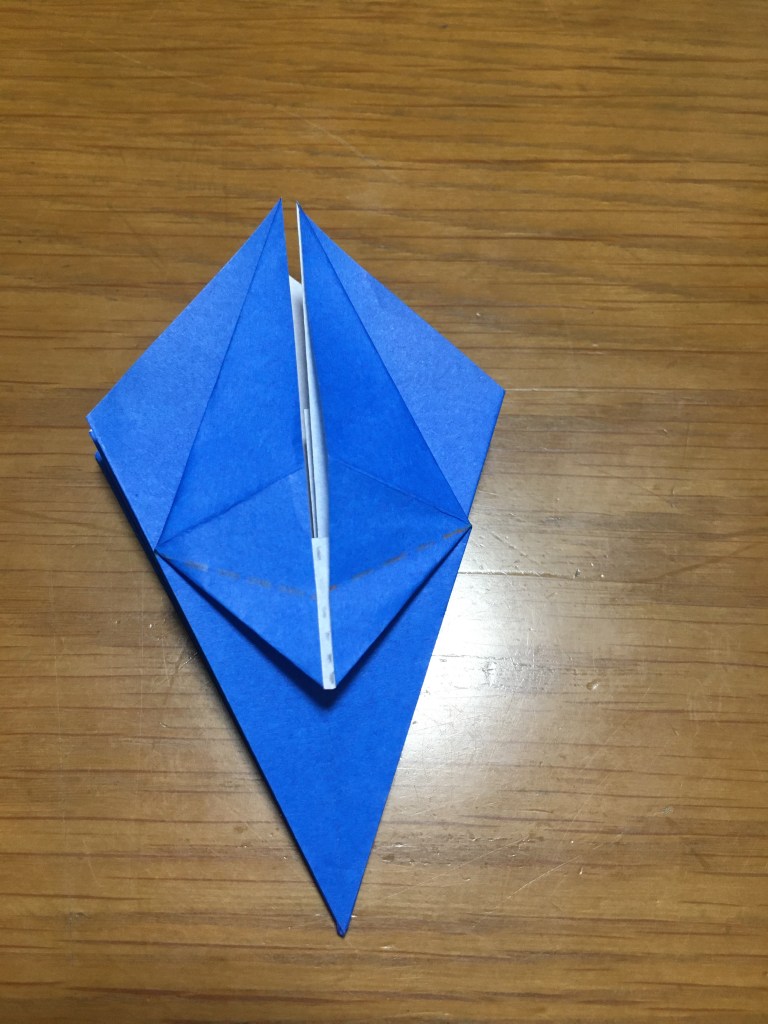
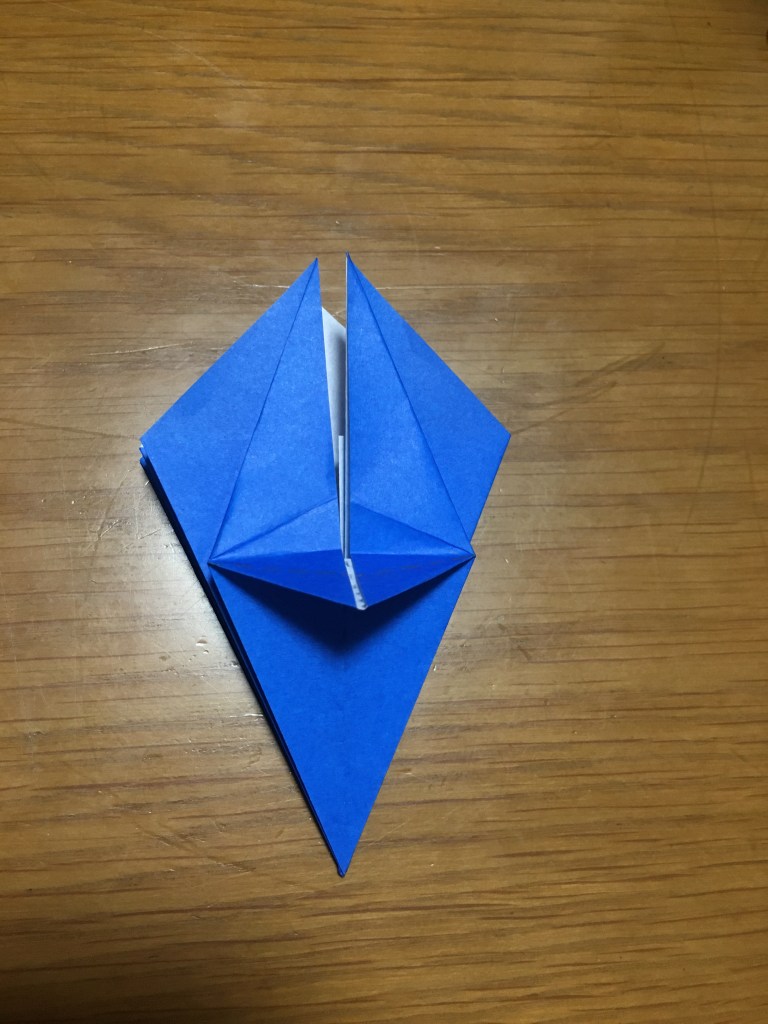
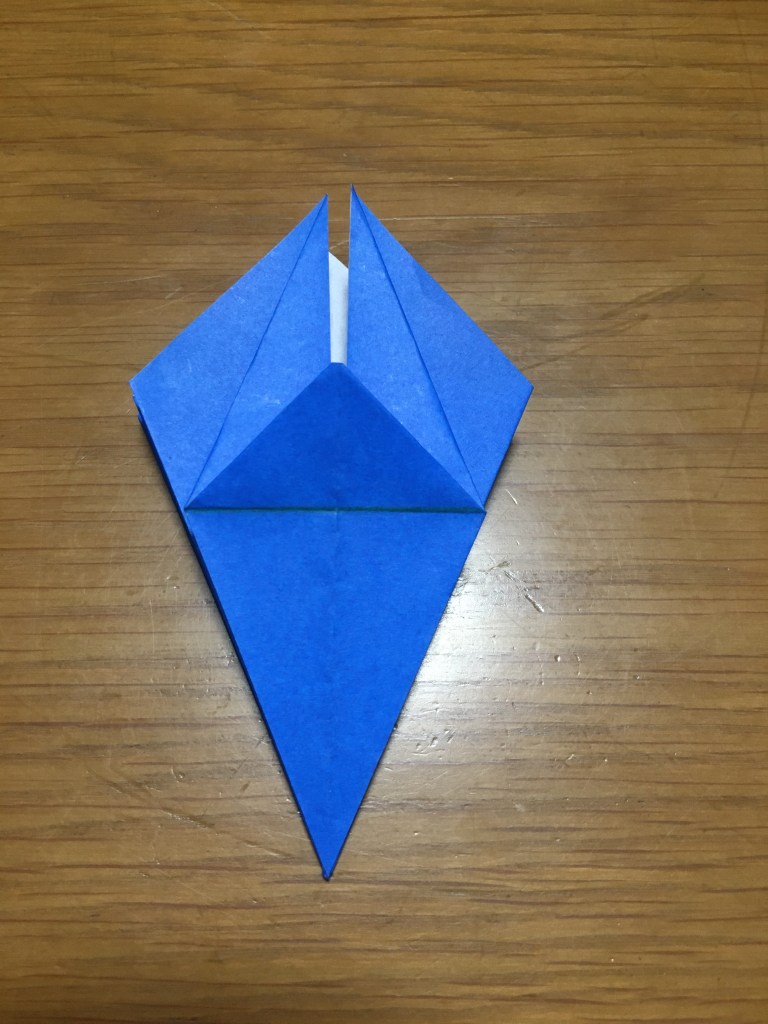
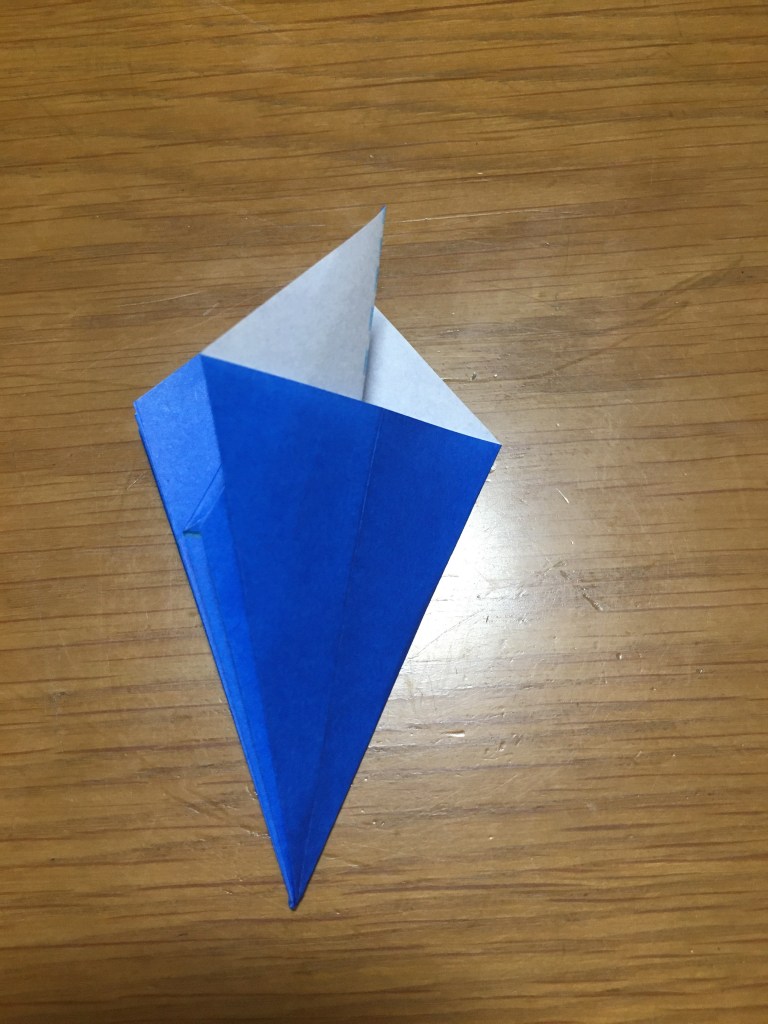
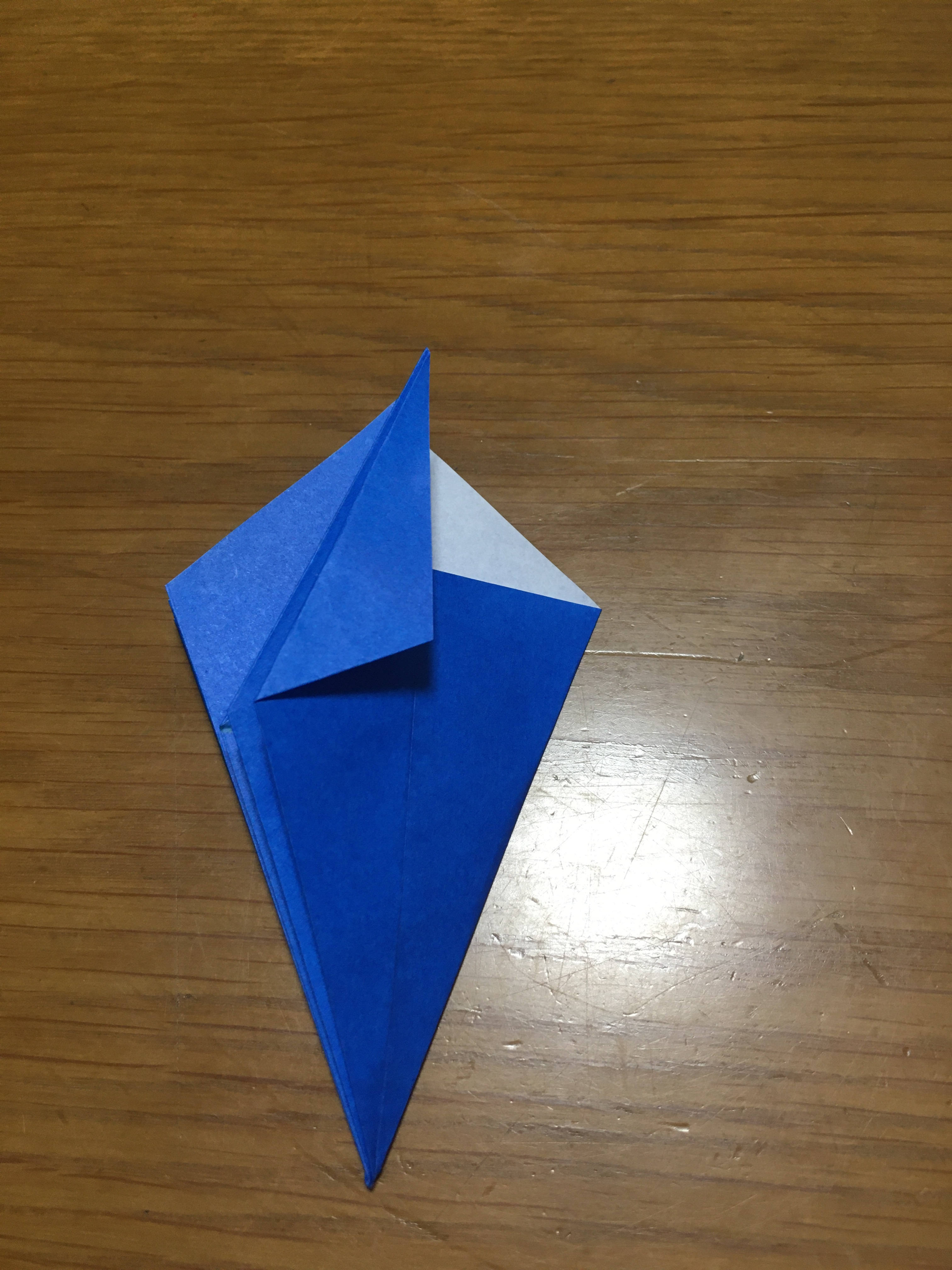
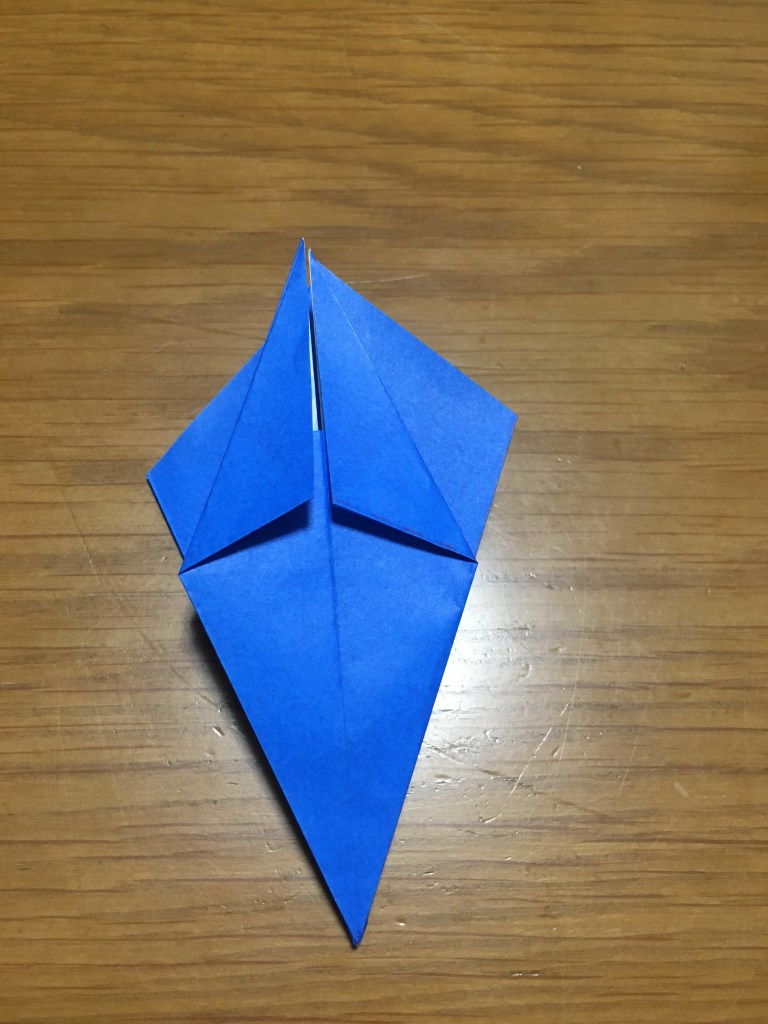
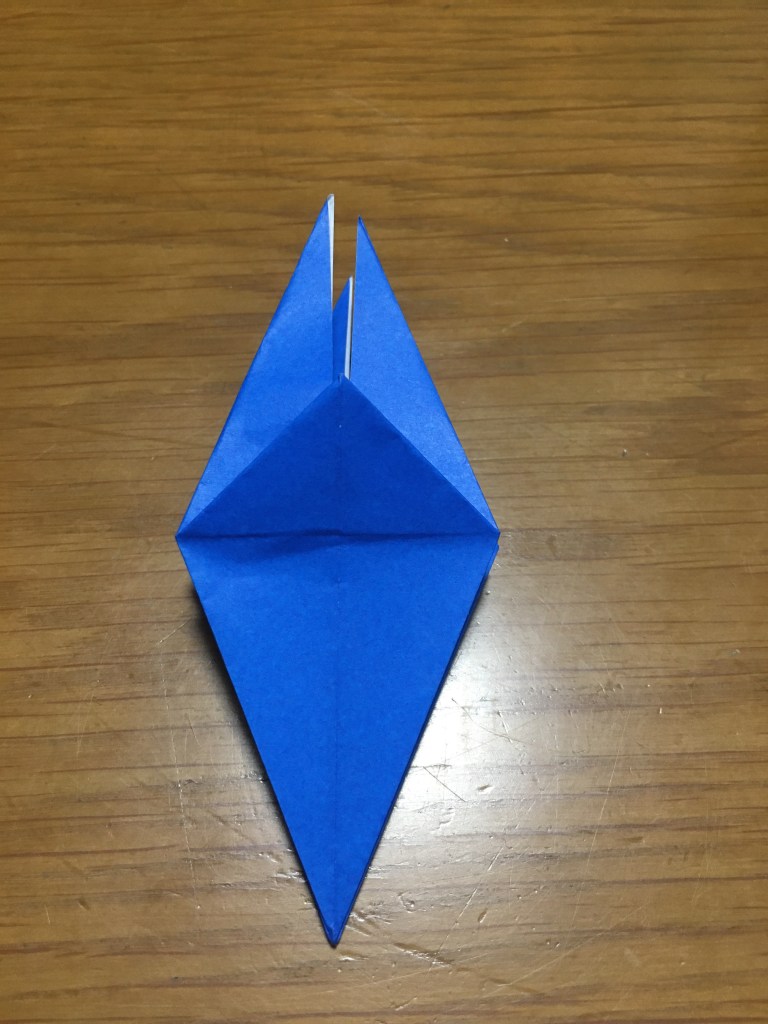
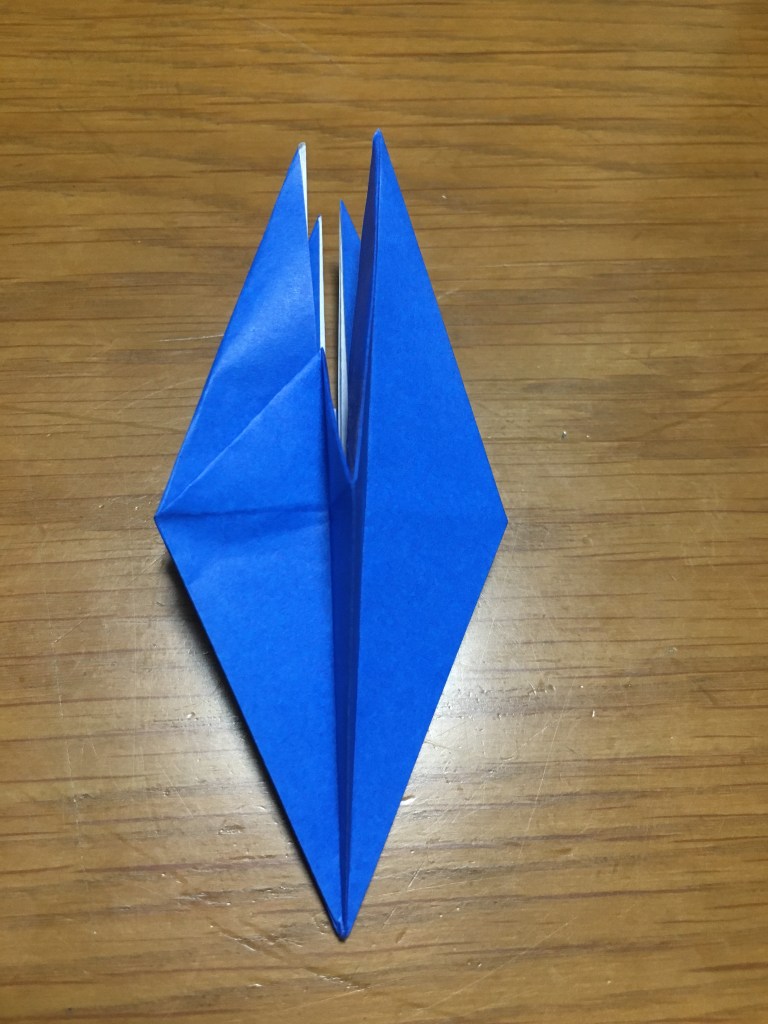
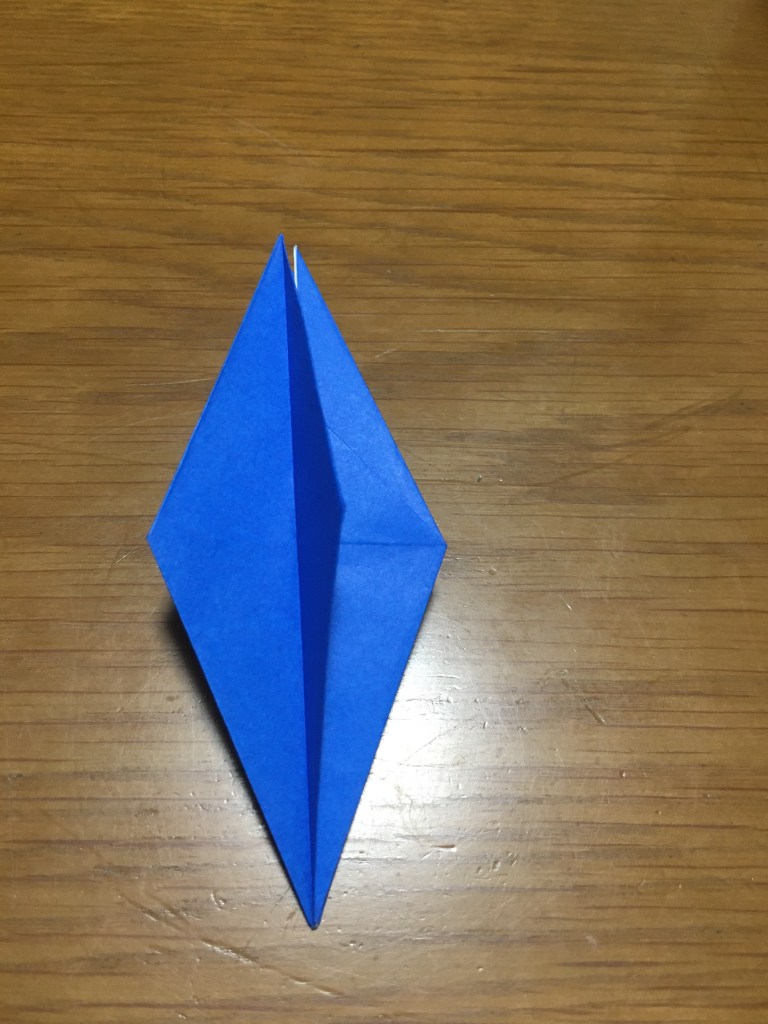
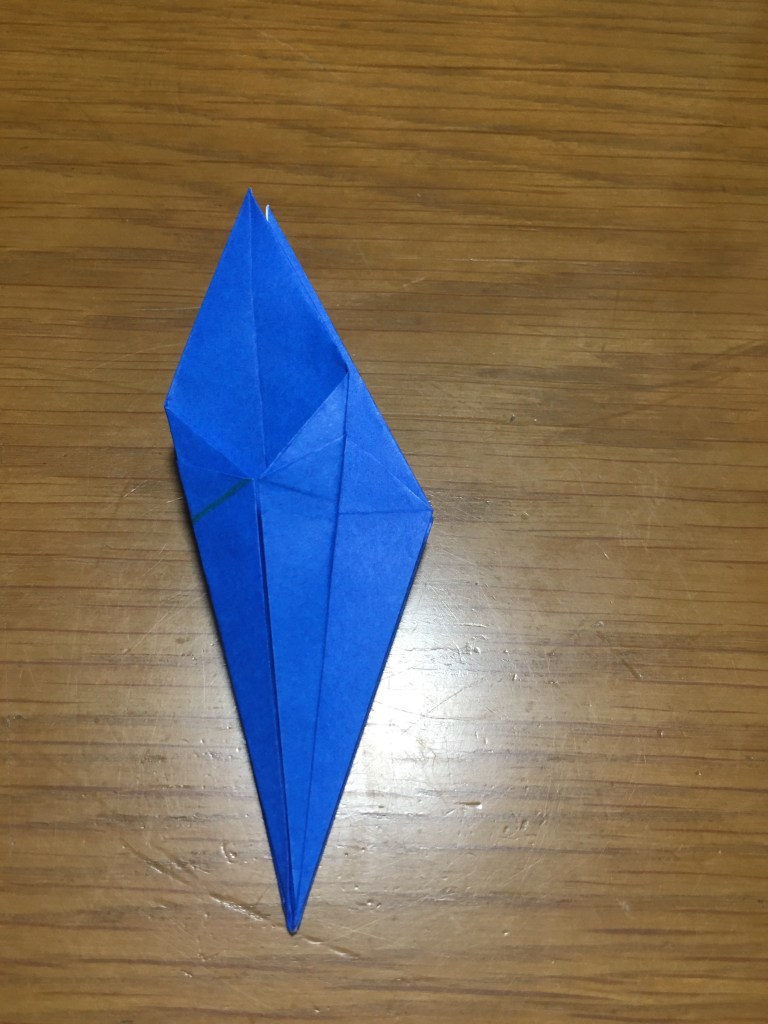
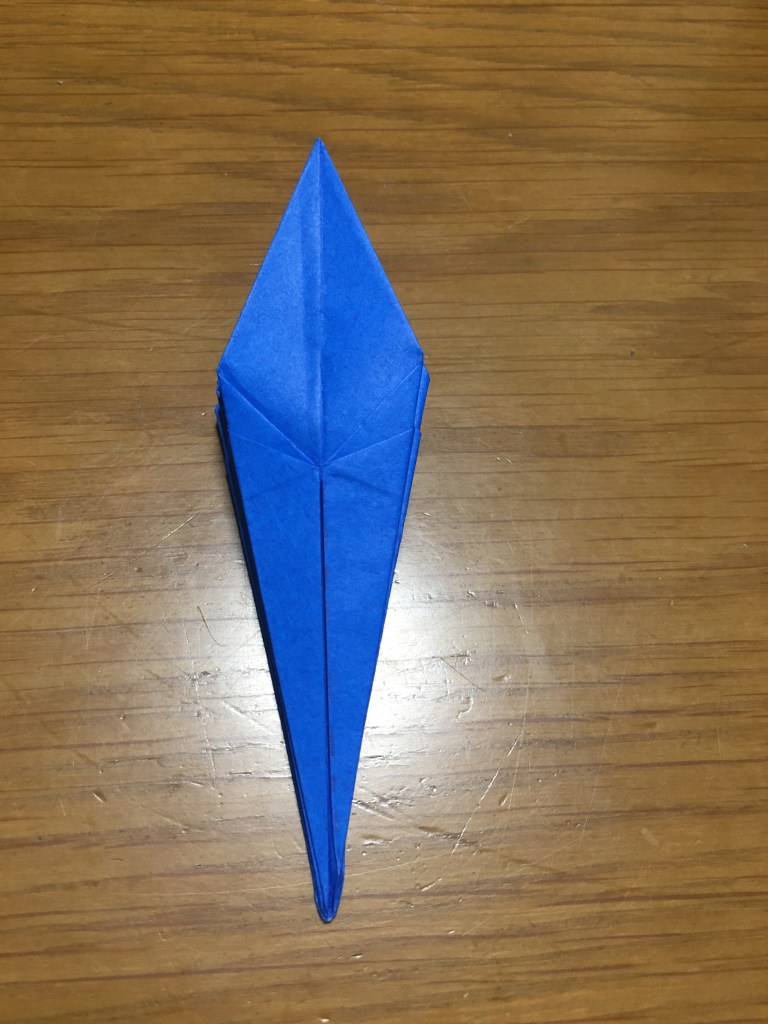
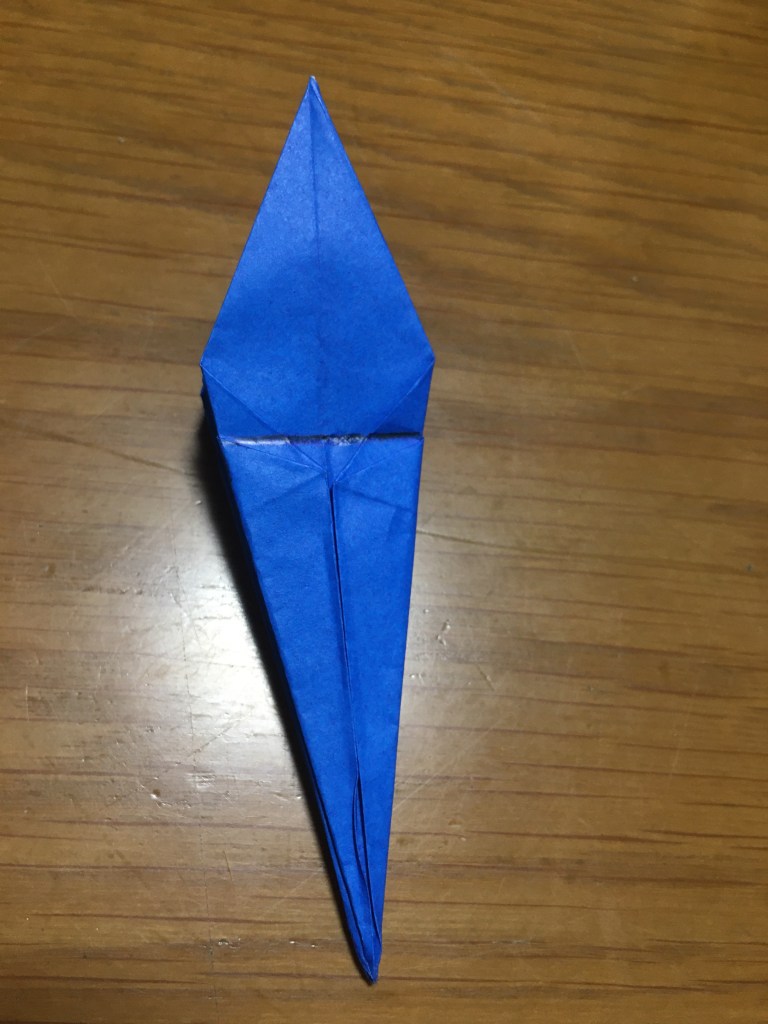
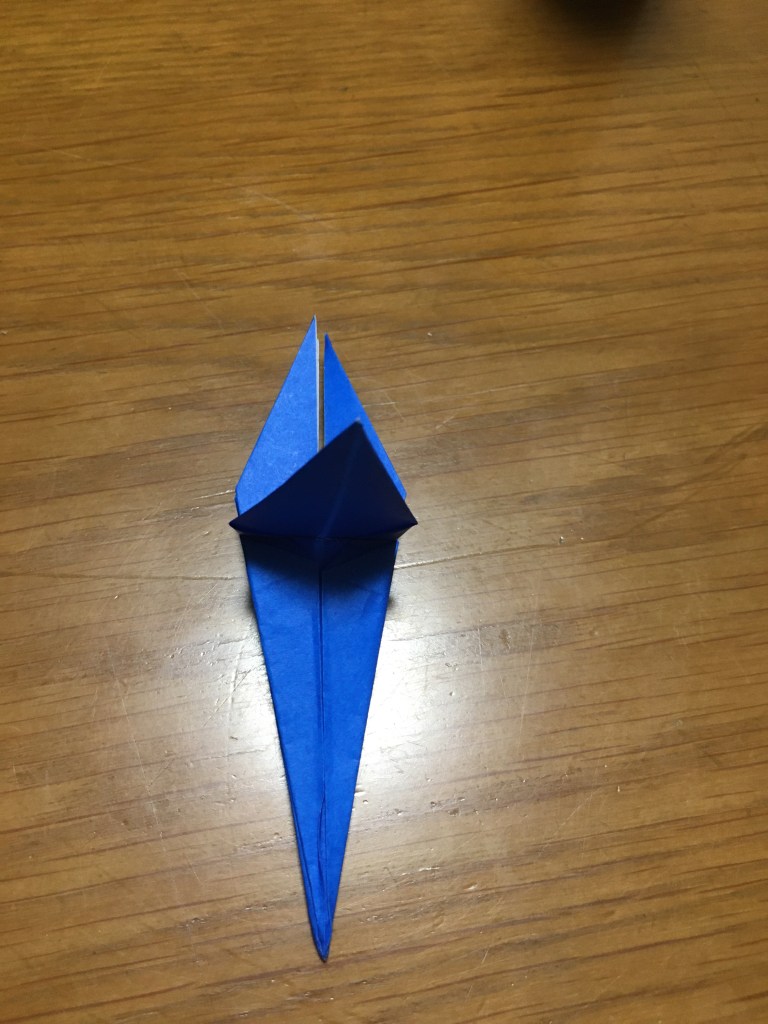
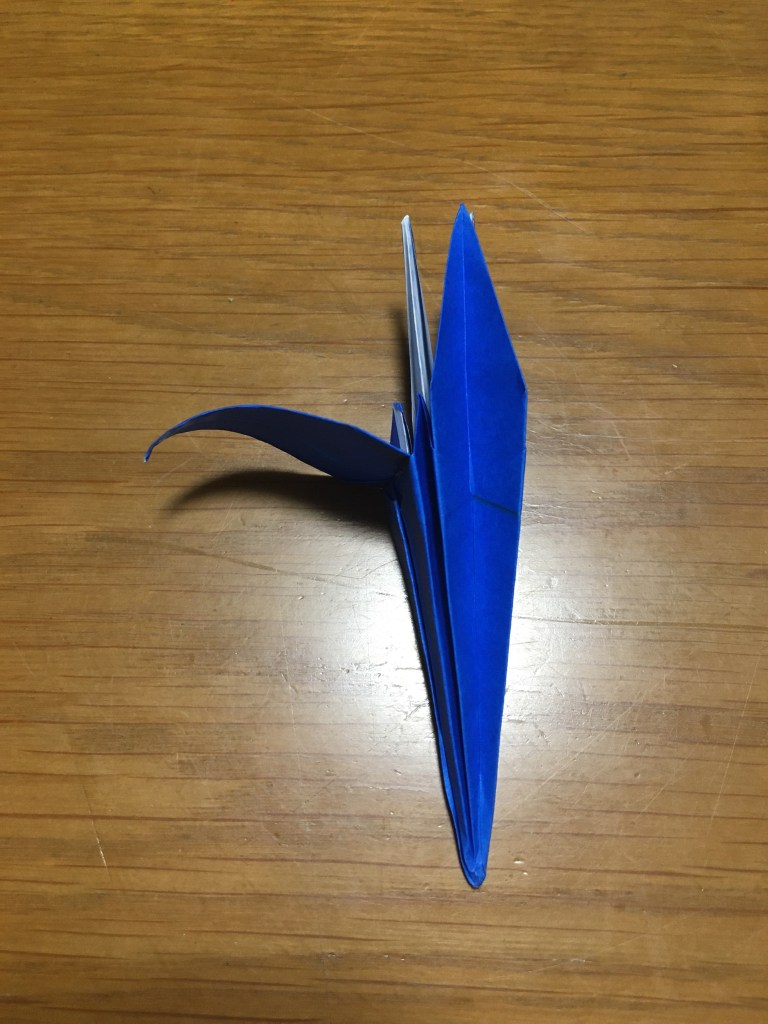
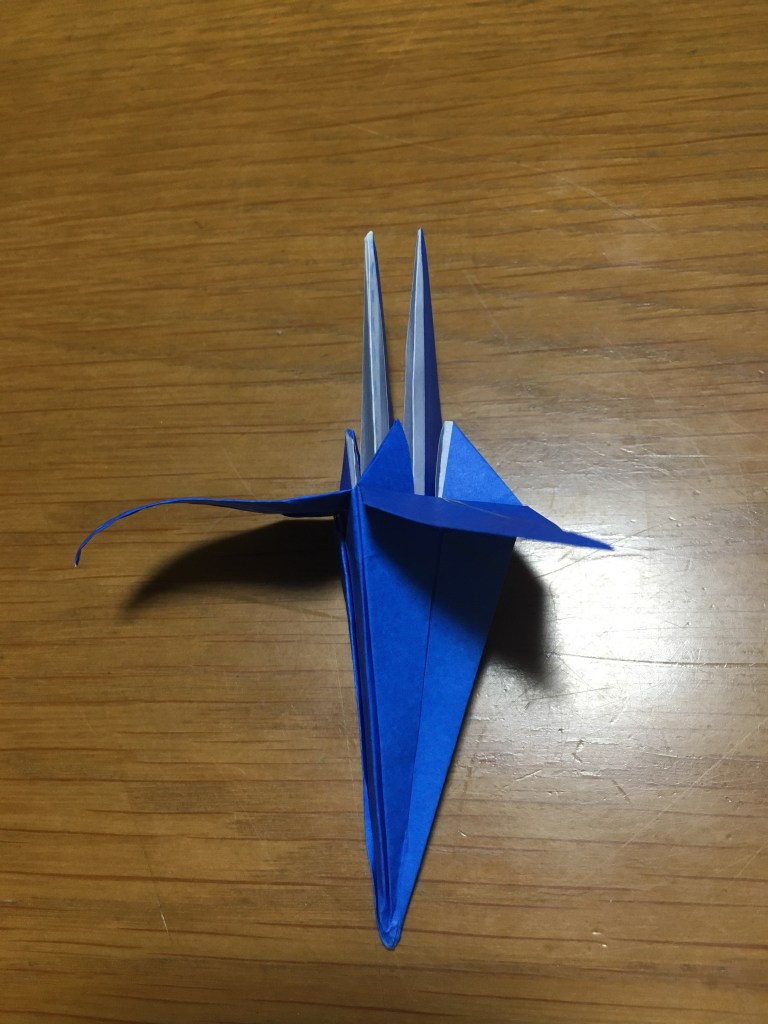
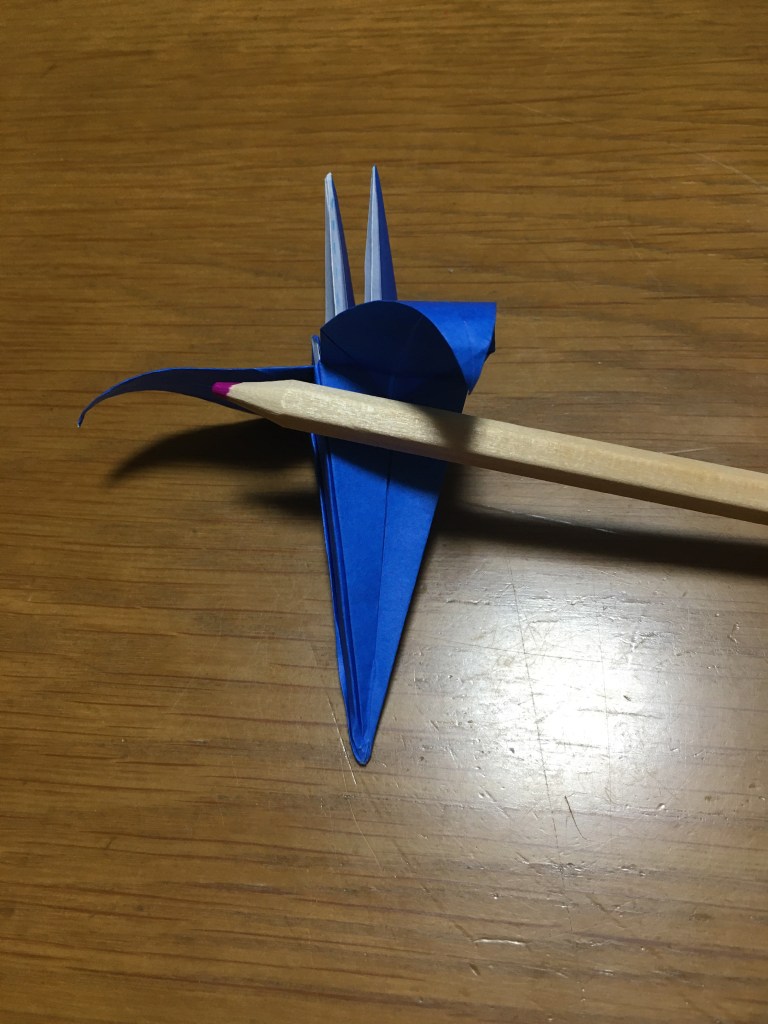
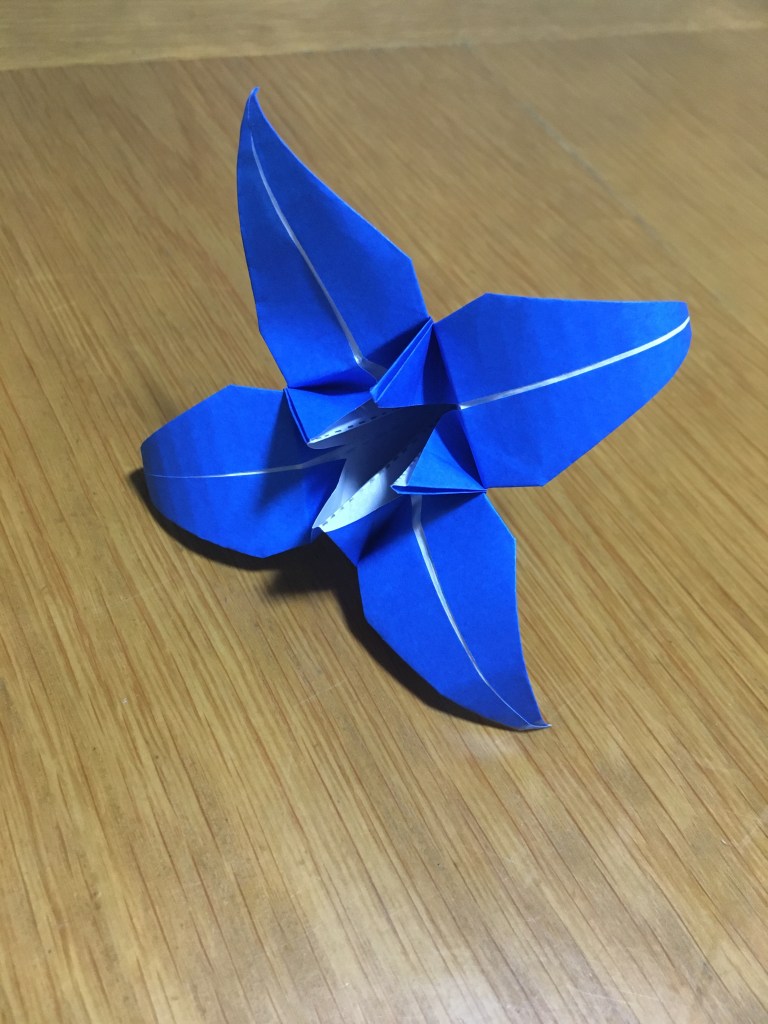
Probably some people might know how to make a bird crane with Origami, so I would like to teach you other things to create with Origami, which is one of my hobbies – today’s one is Iris (菖蒲 Ayame/ also can be pronounced as Shoubu). May is the season for Ayame, thus it is perfect time to learn how to make this flower!
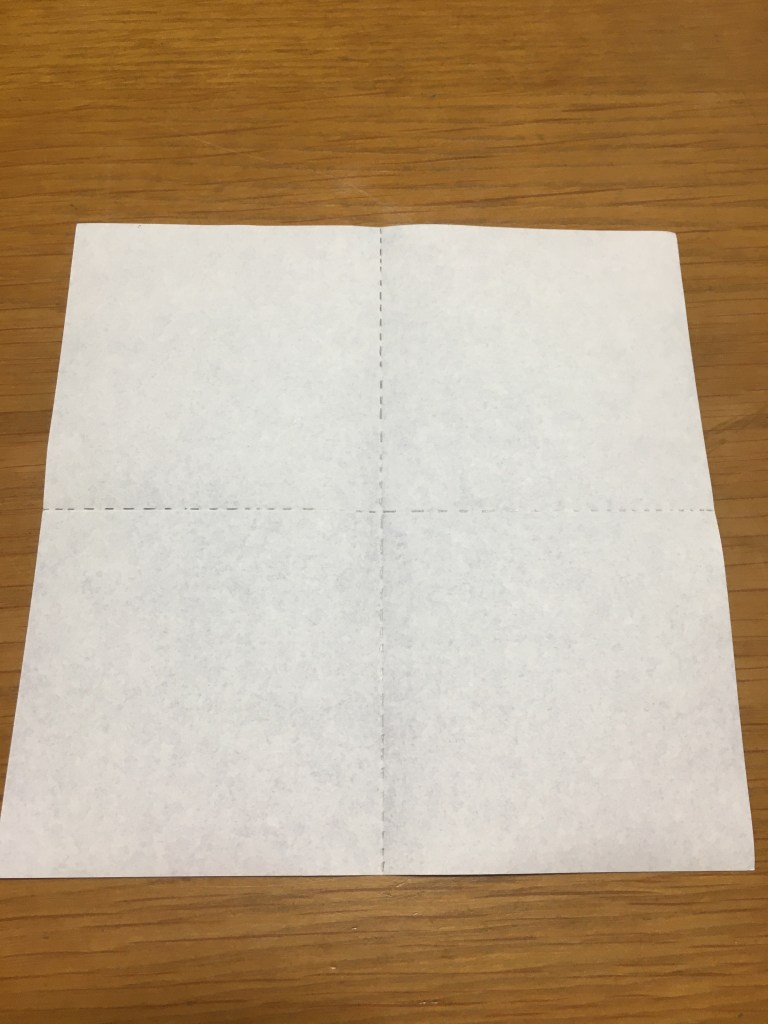
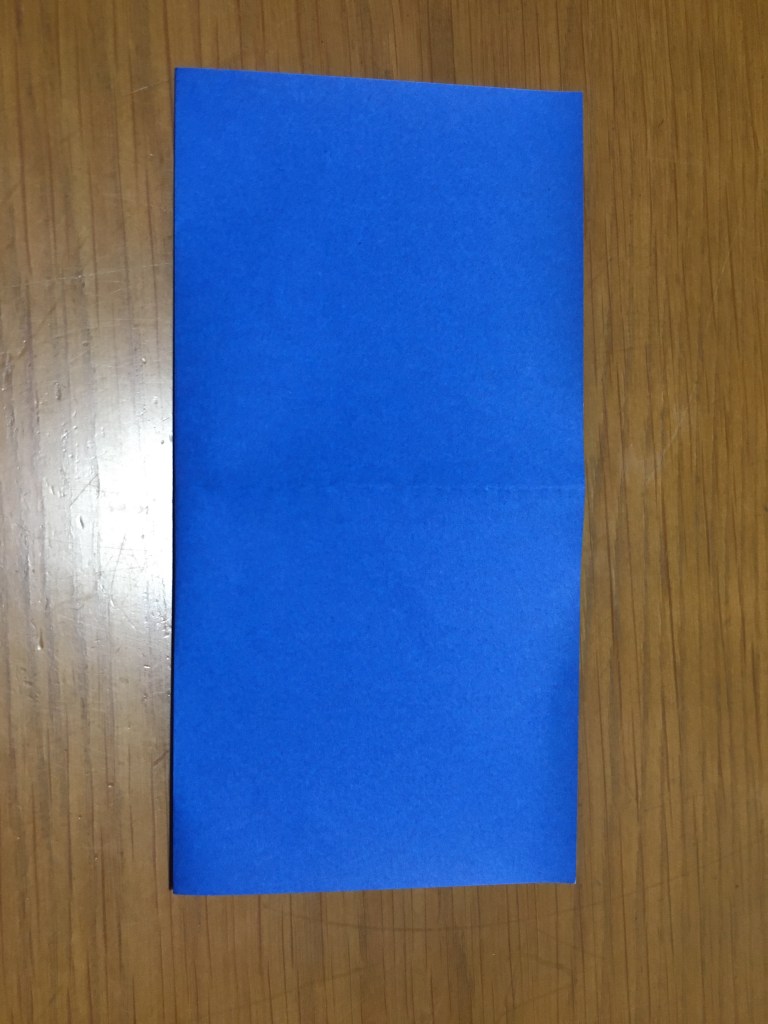
Prepare the square paper and fold along the dotted lines (Vertical and horizontal)
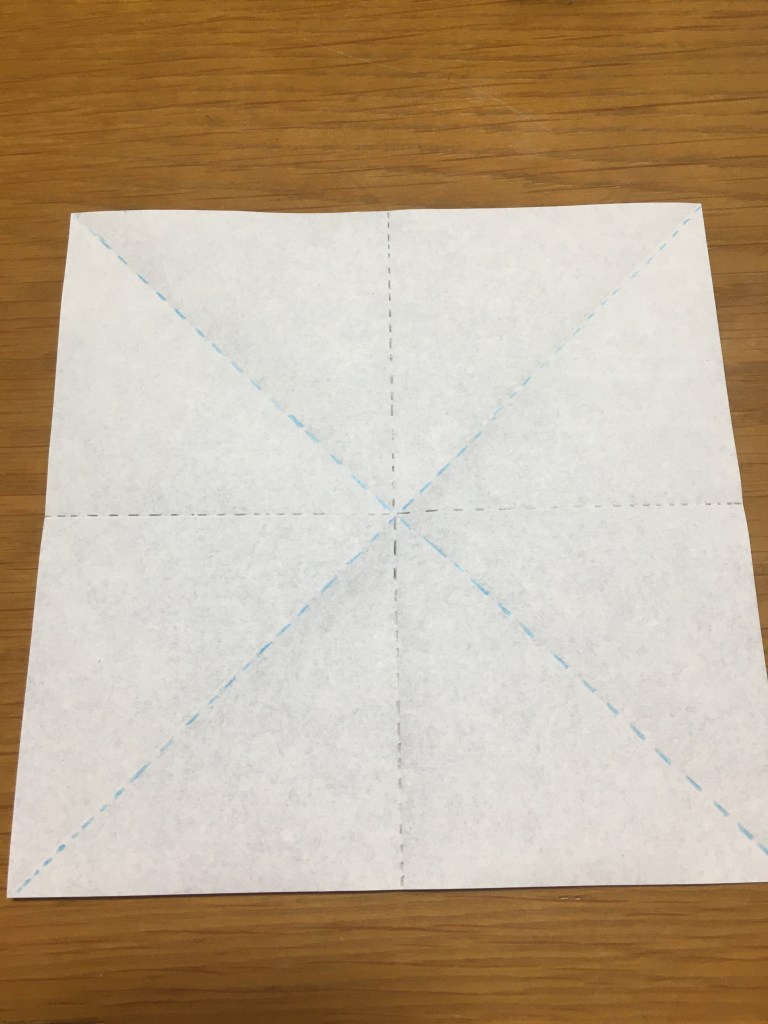
After making lines, open it again and then fold diagonal lines
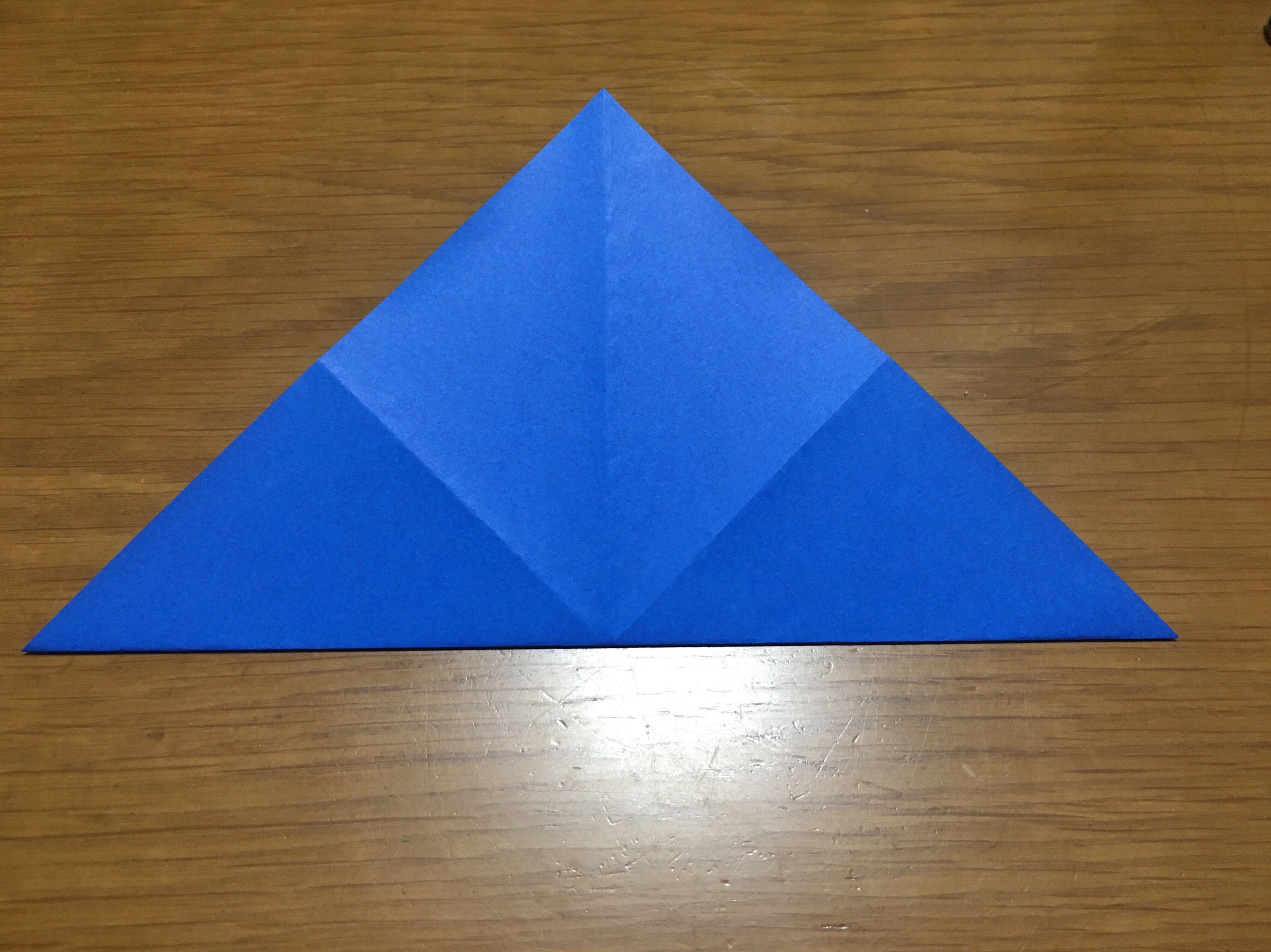
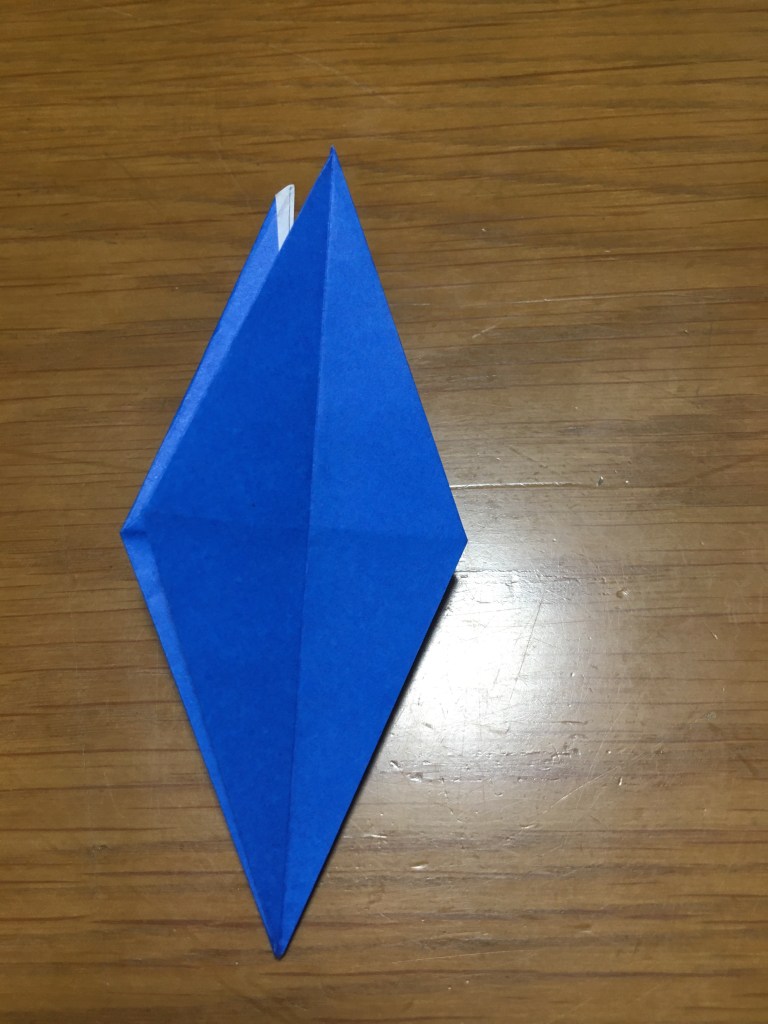
Unfold one side
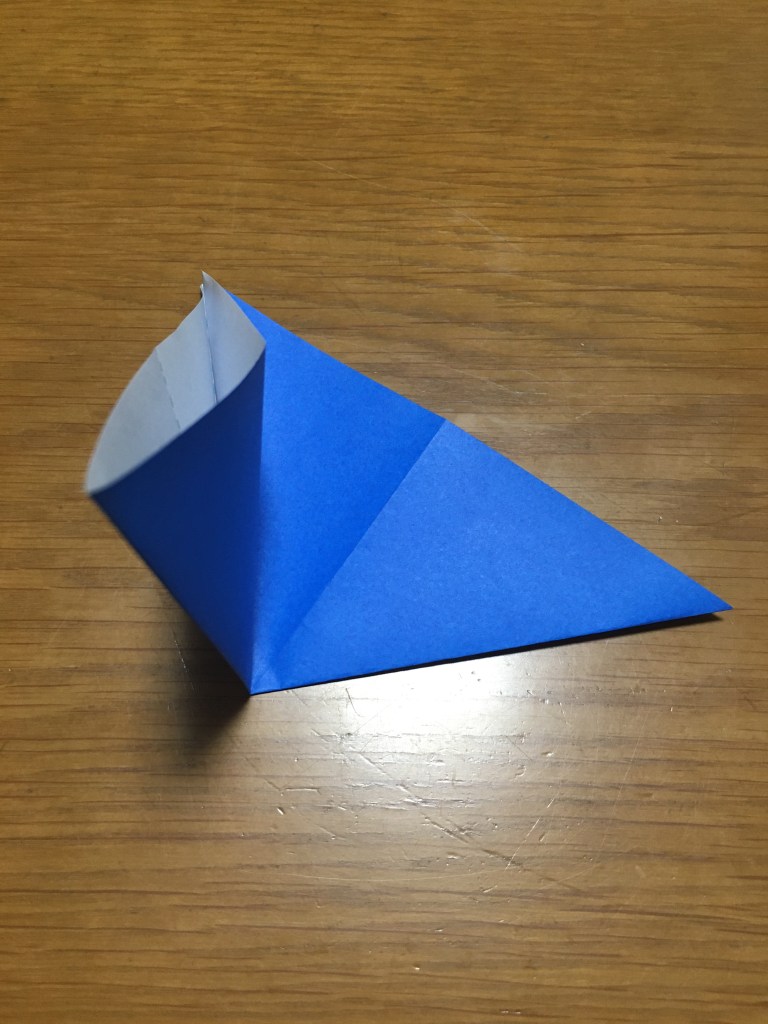
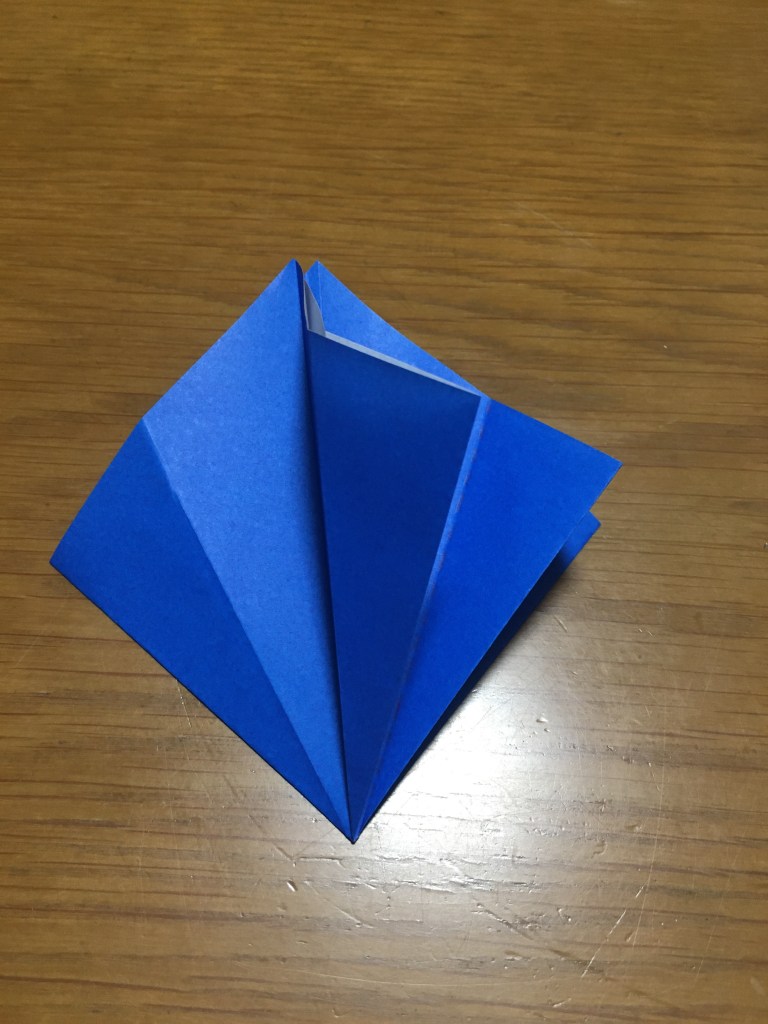
From the center of triangle, bring it up and fold like below photo
(Bringing the side corner to the top of the triangle)
Turn it over and repeat it again
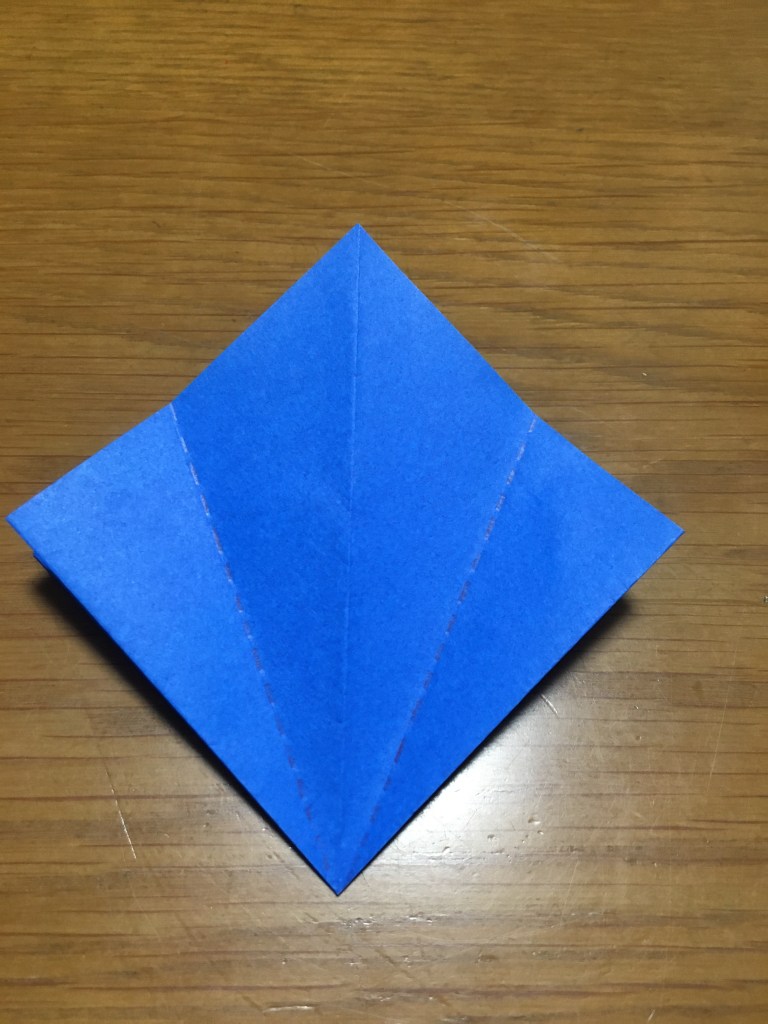
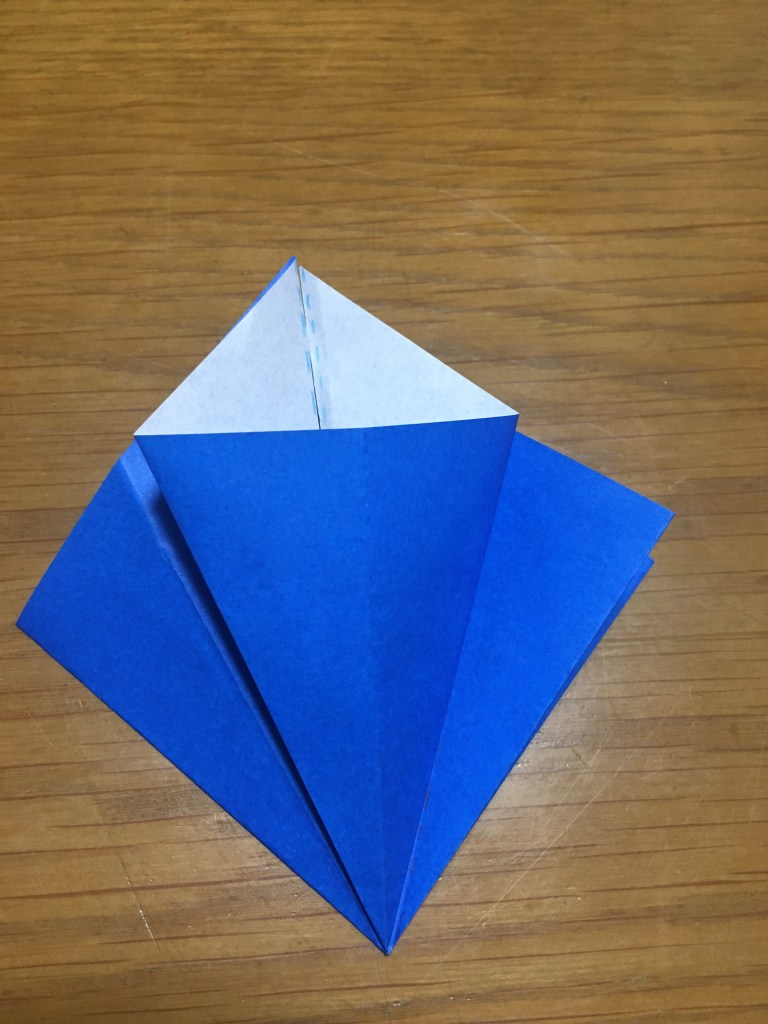
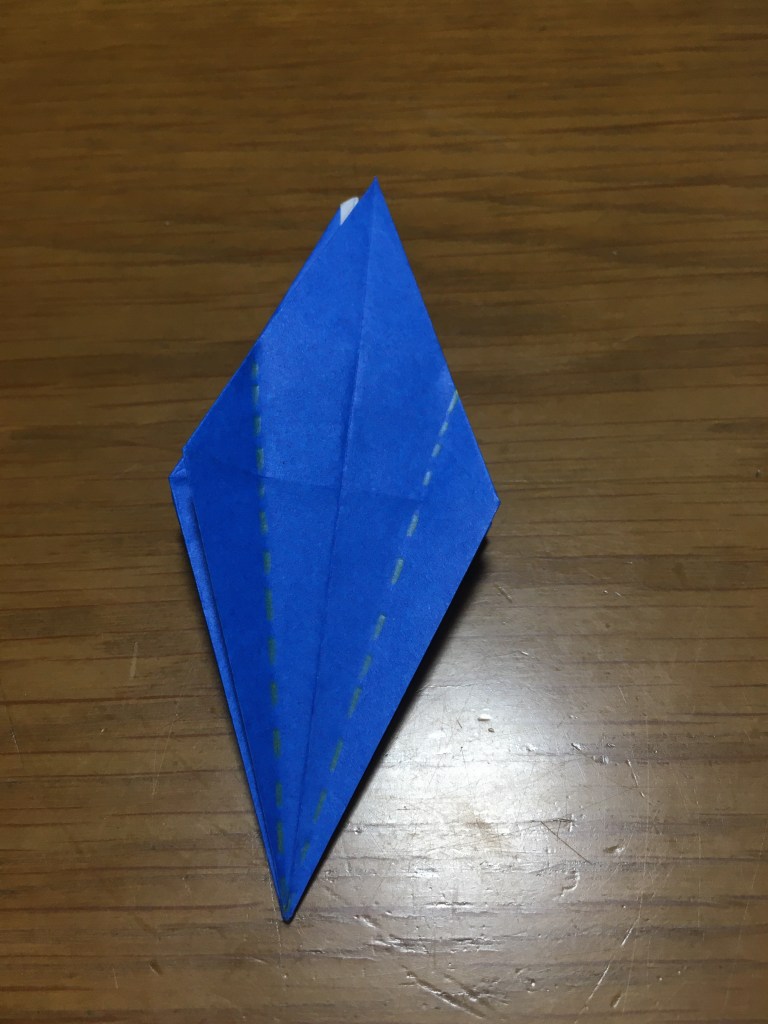
Fold along the dotted lines
Turn it over and repeat it again
Unfold them
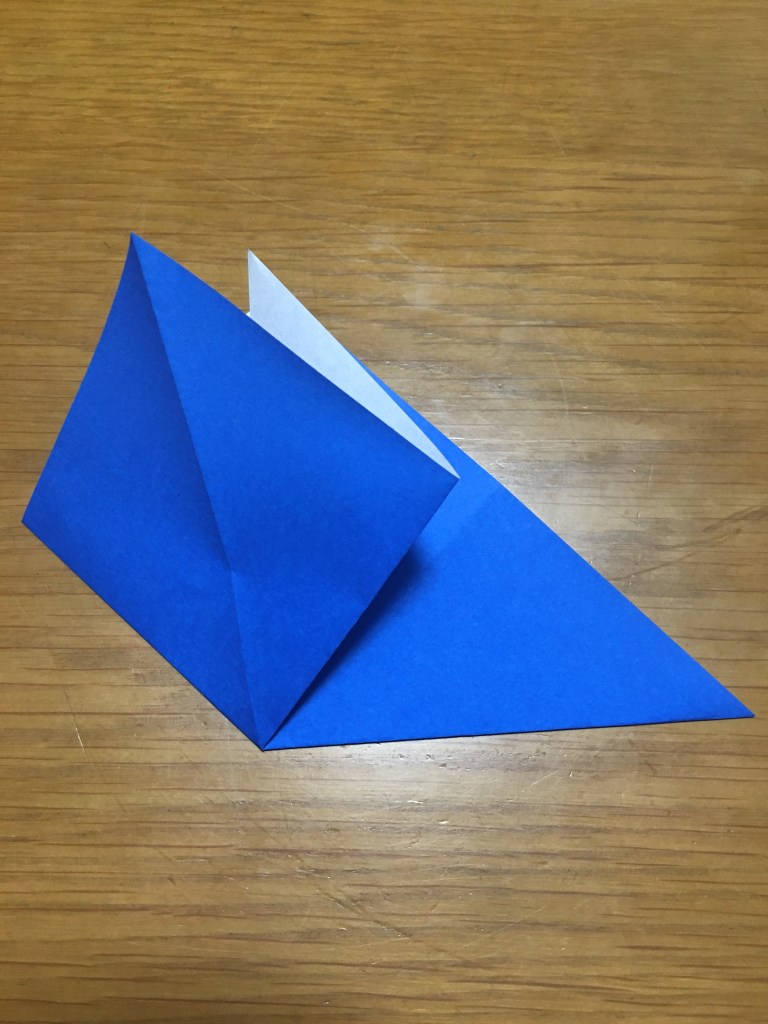
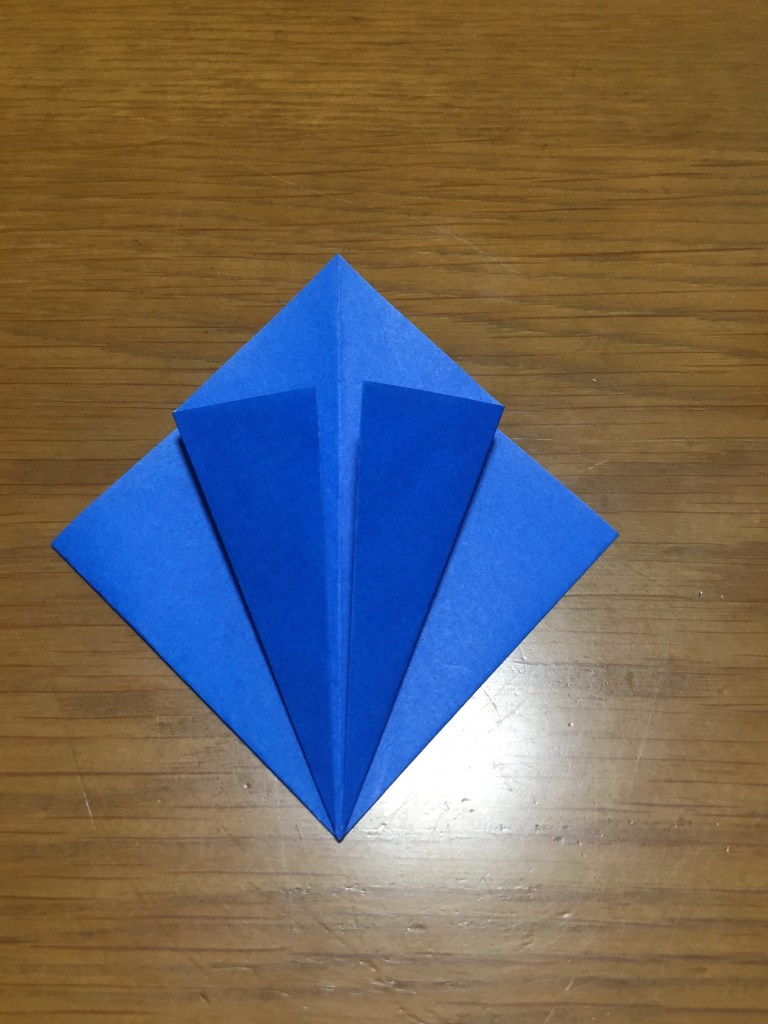
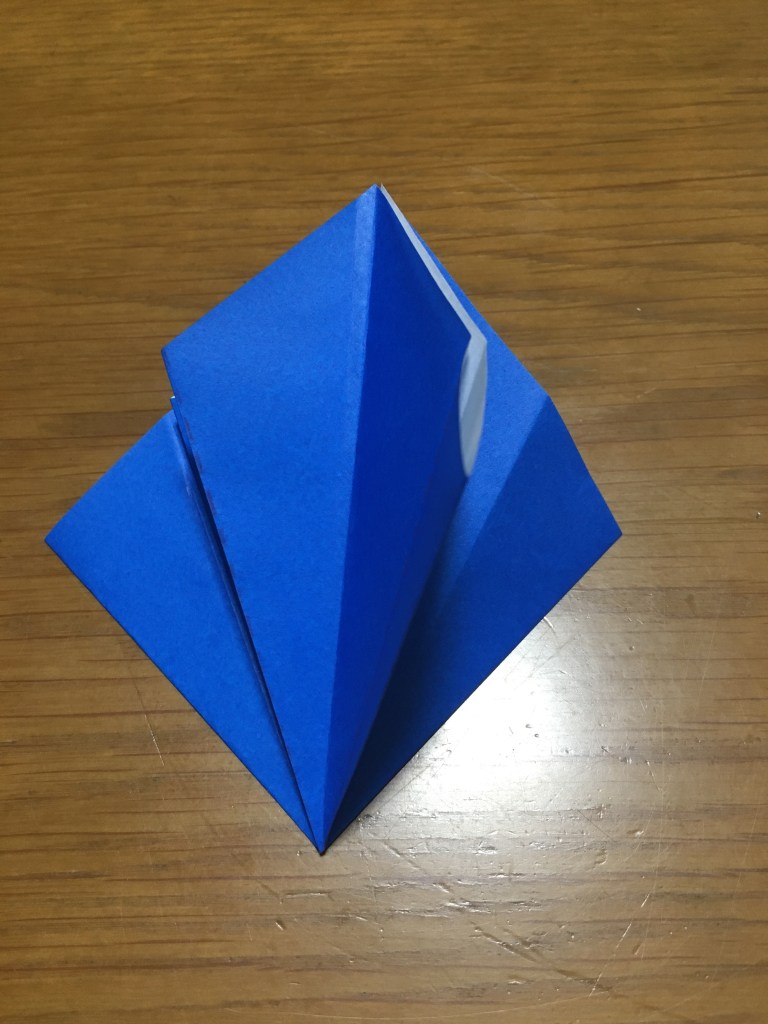
Bring up the side corner
Open like the photo above ( to make the side corner to the middle)
Repeat the previous process 3 times more
(Second time)
(After 4 times)
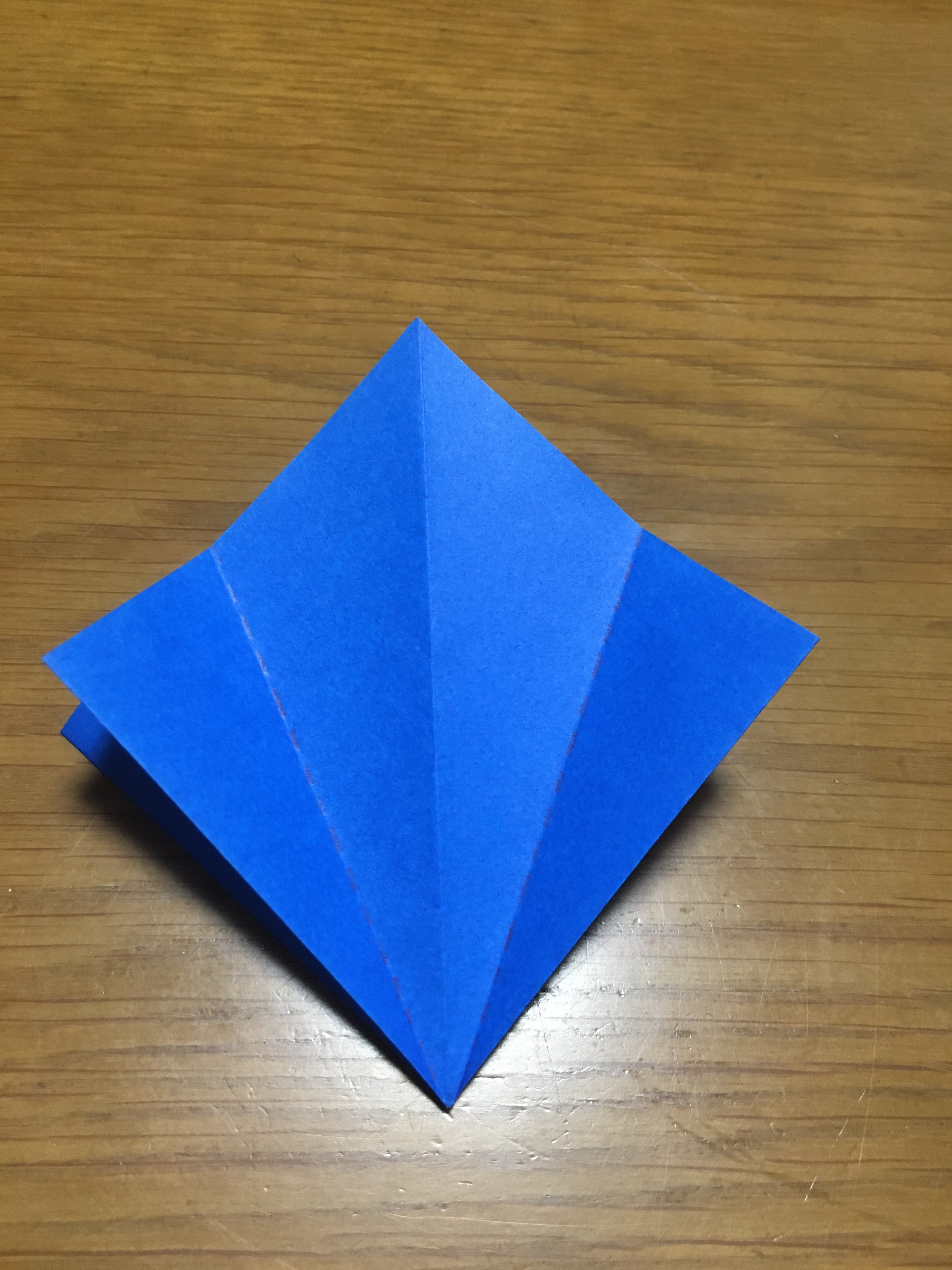
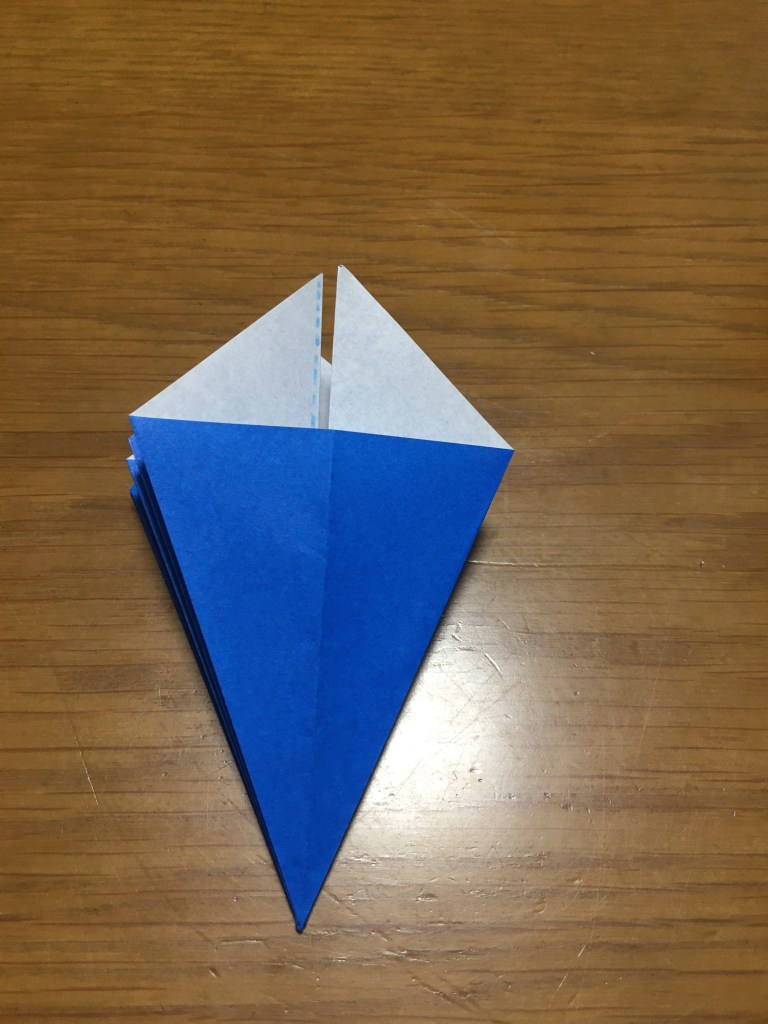
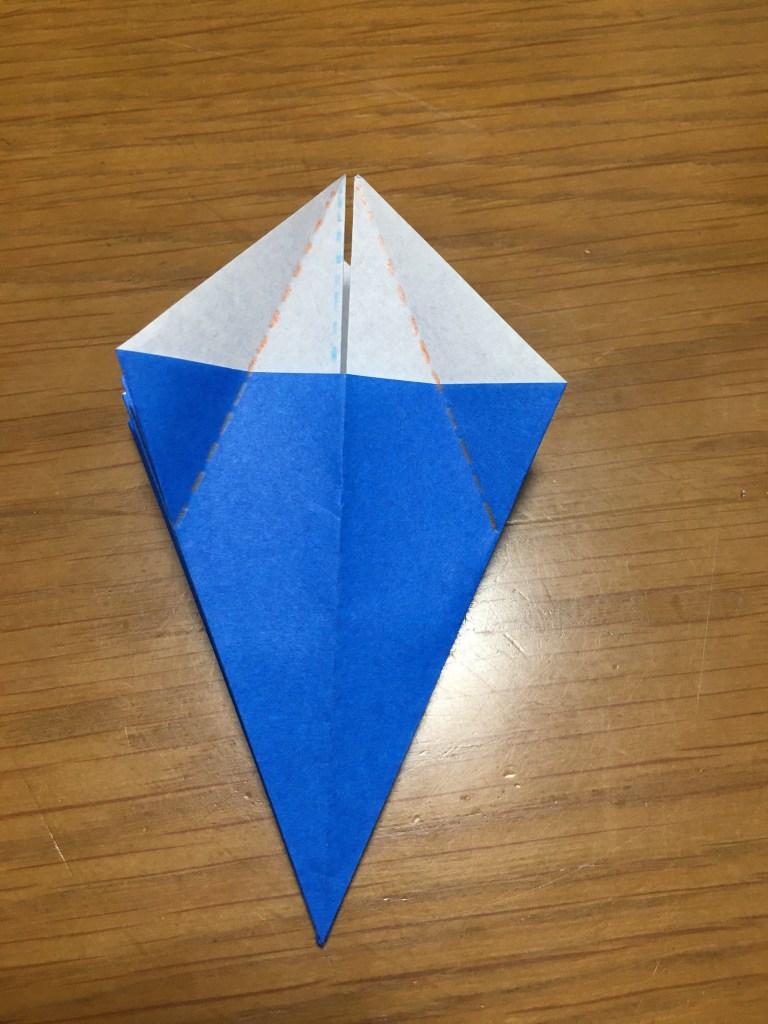
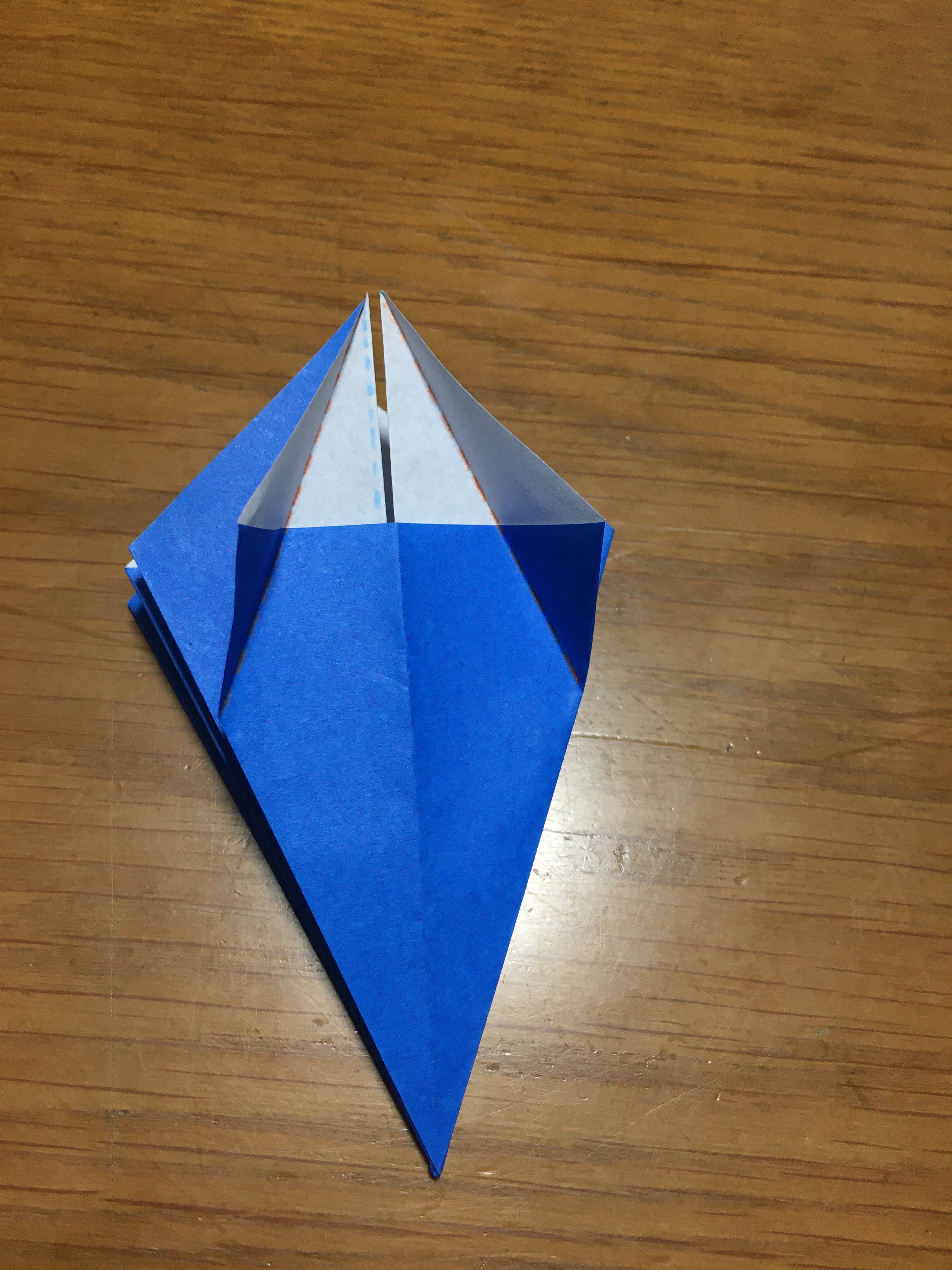
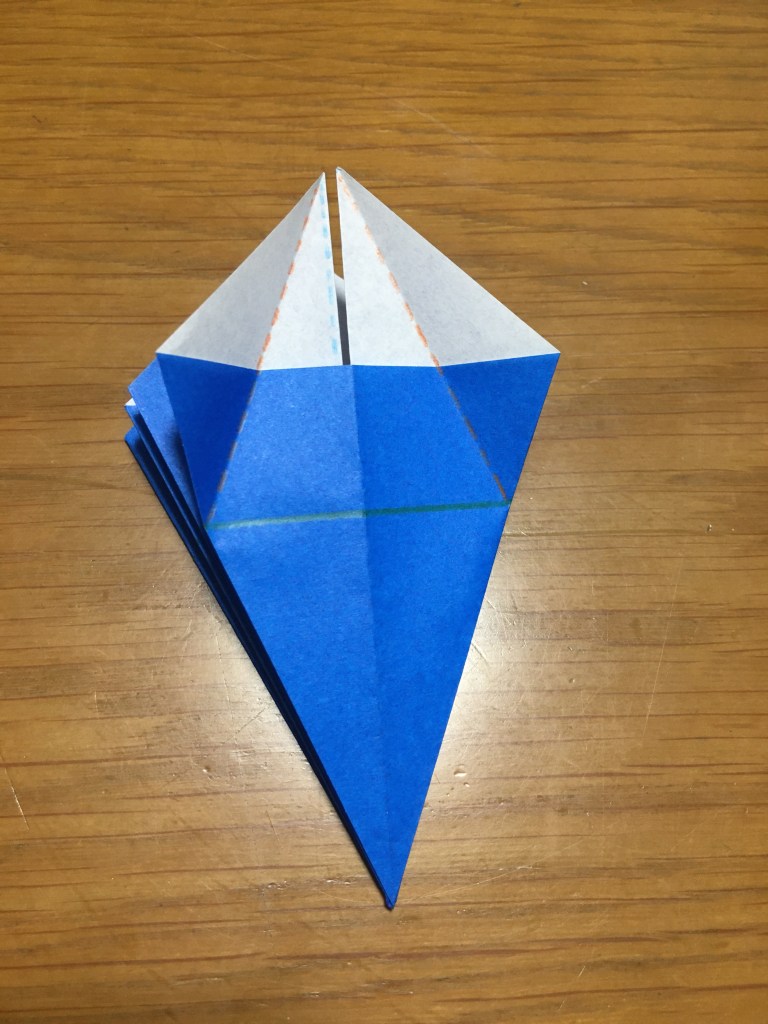
Fold along the dotted lines
Then unfold them
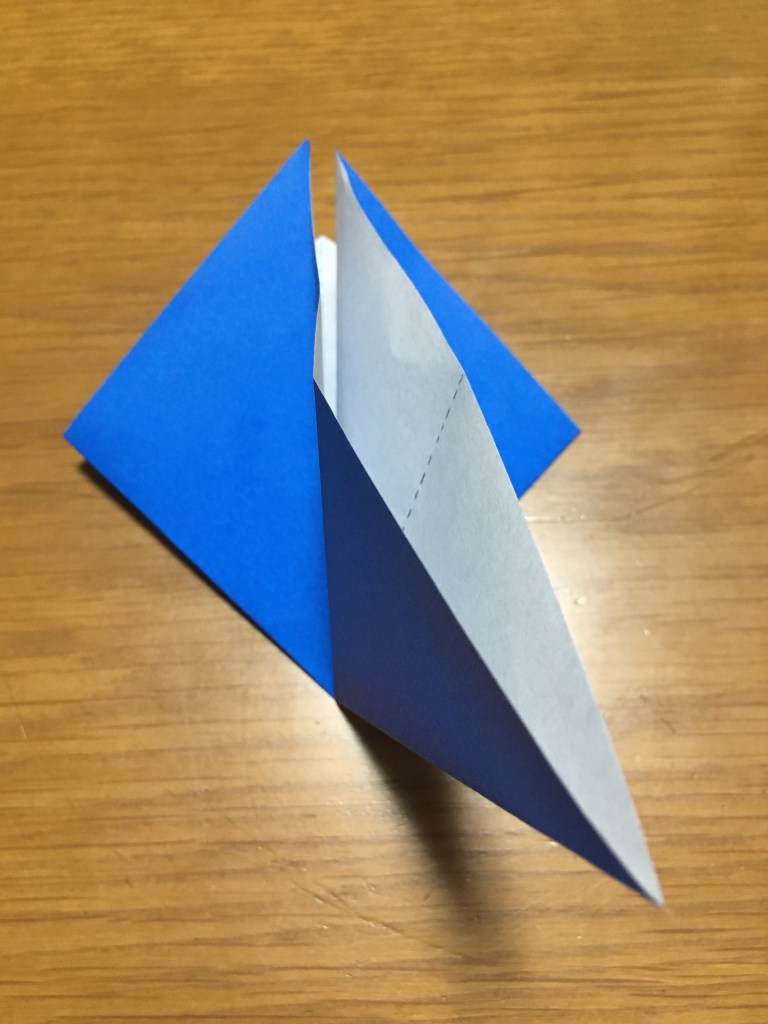
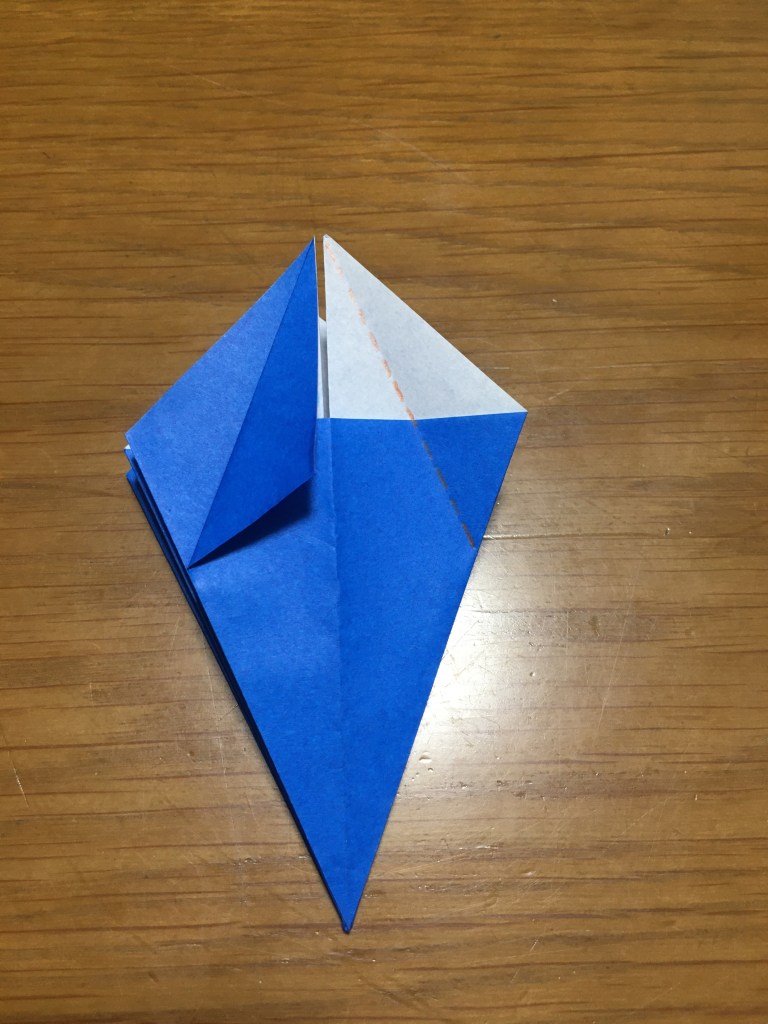
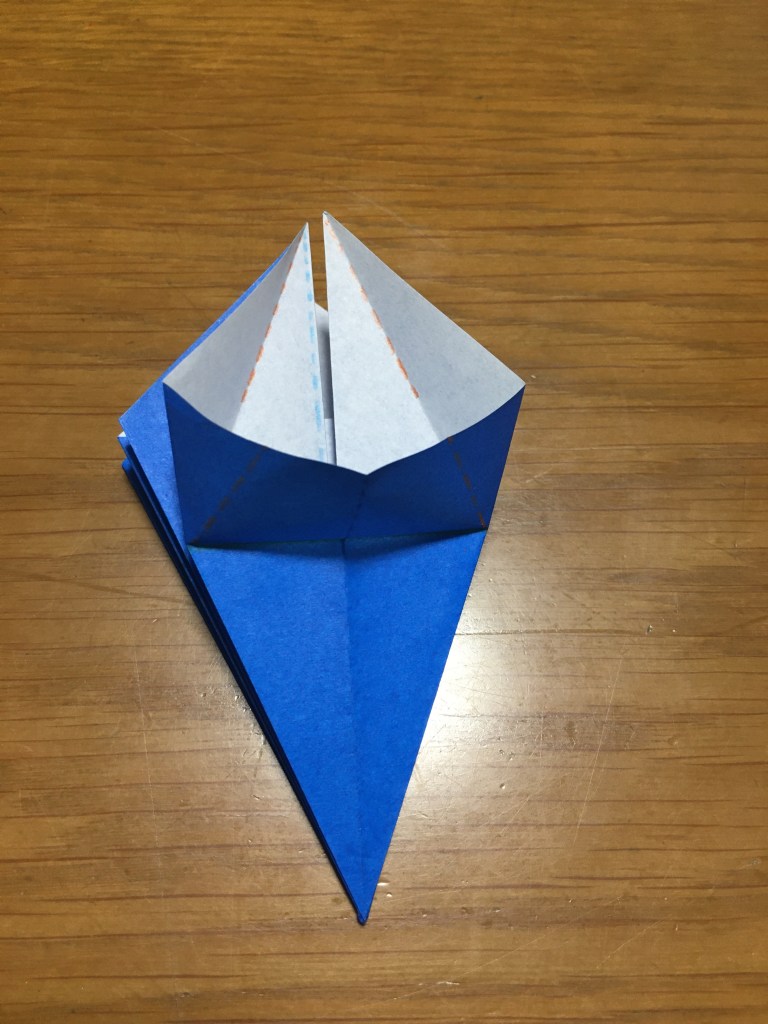
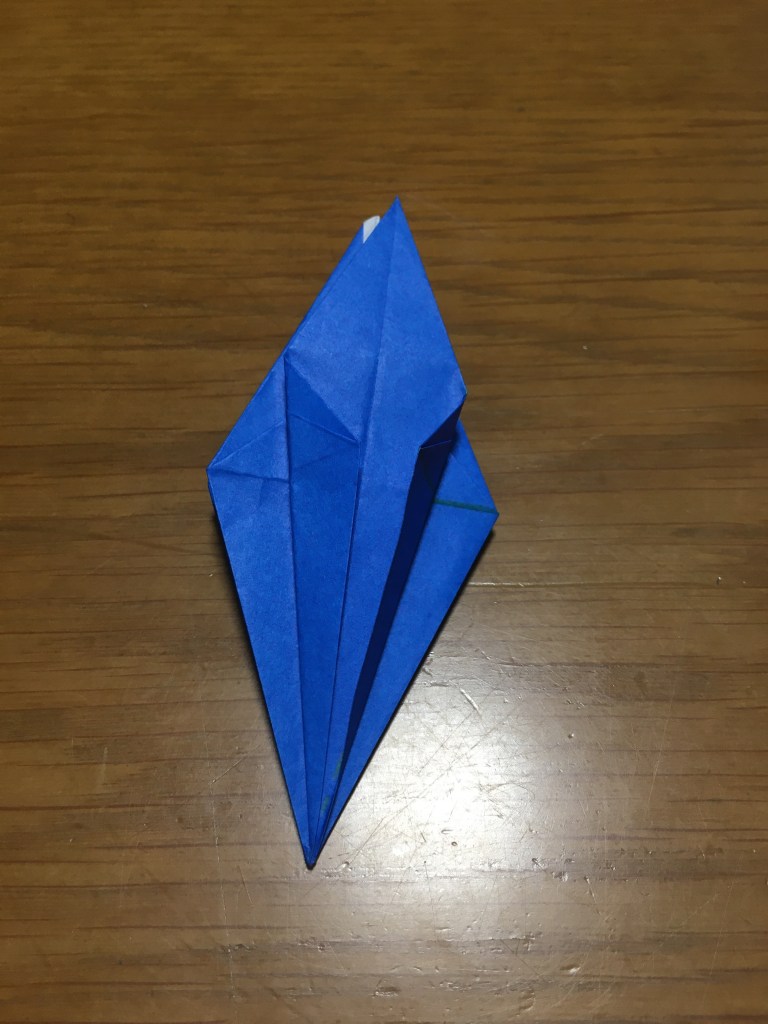
Fold the line to The Valley folding style like below photo
Then fold back the previous unfold dotted lines
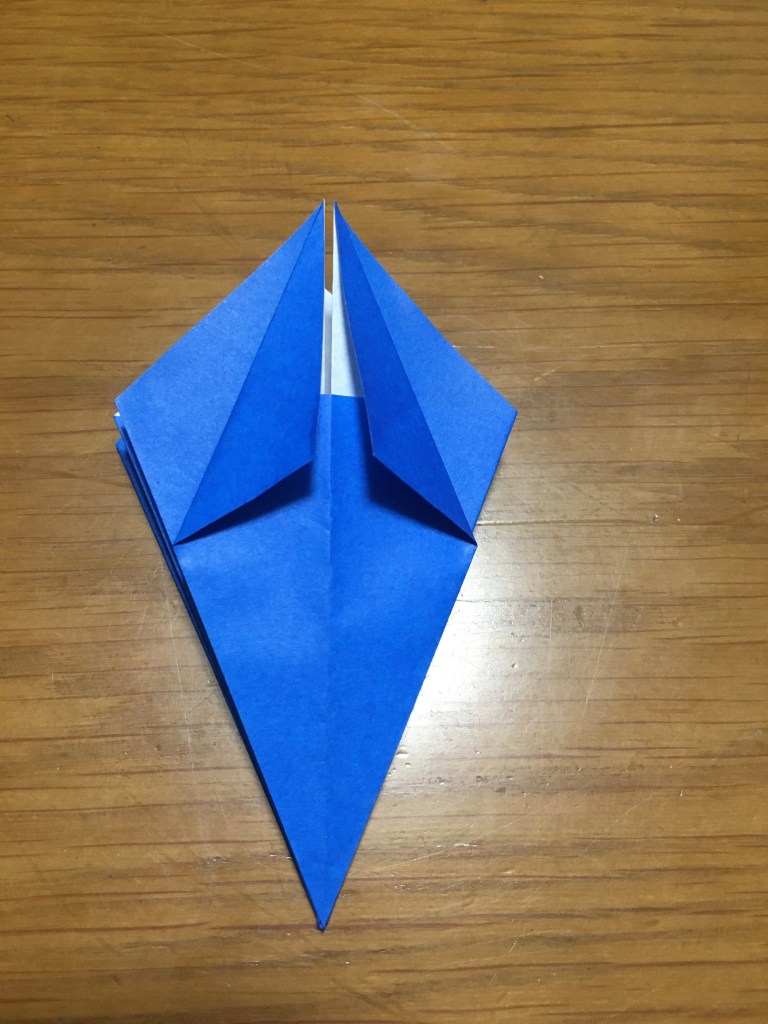
Bringing up the new-made inverted triangle and fold it up
Do the same process 3 times more
(After second time)
(After 4times)
Then, bringing the side corner up and flip the new surface where does not have the triangle in the middle
Fold along the dotted lines
Repeat the same process 3 times more
(After 3 times)
(After 4 times)
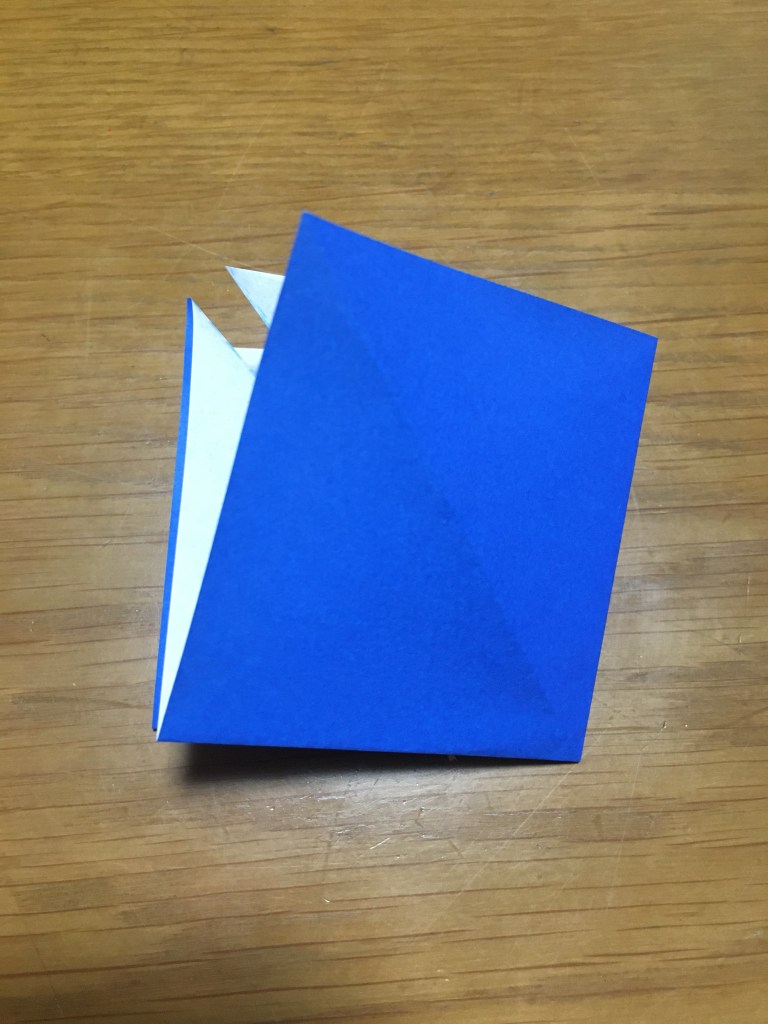
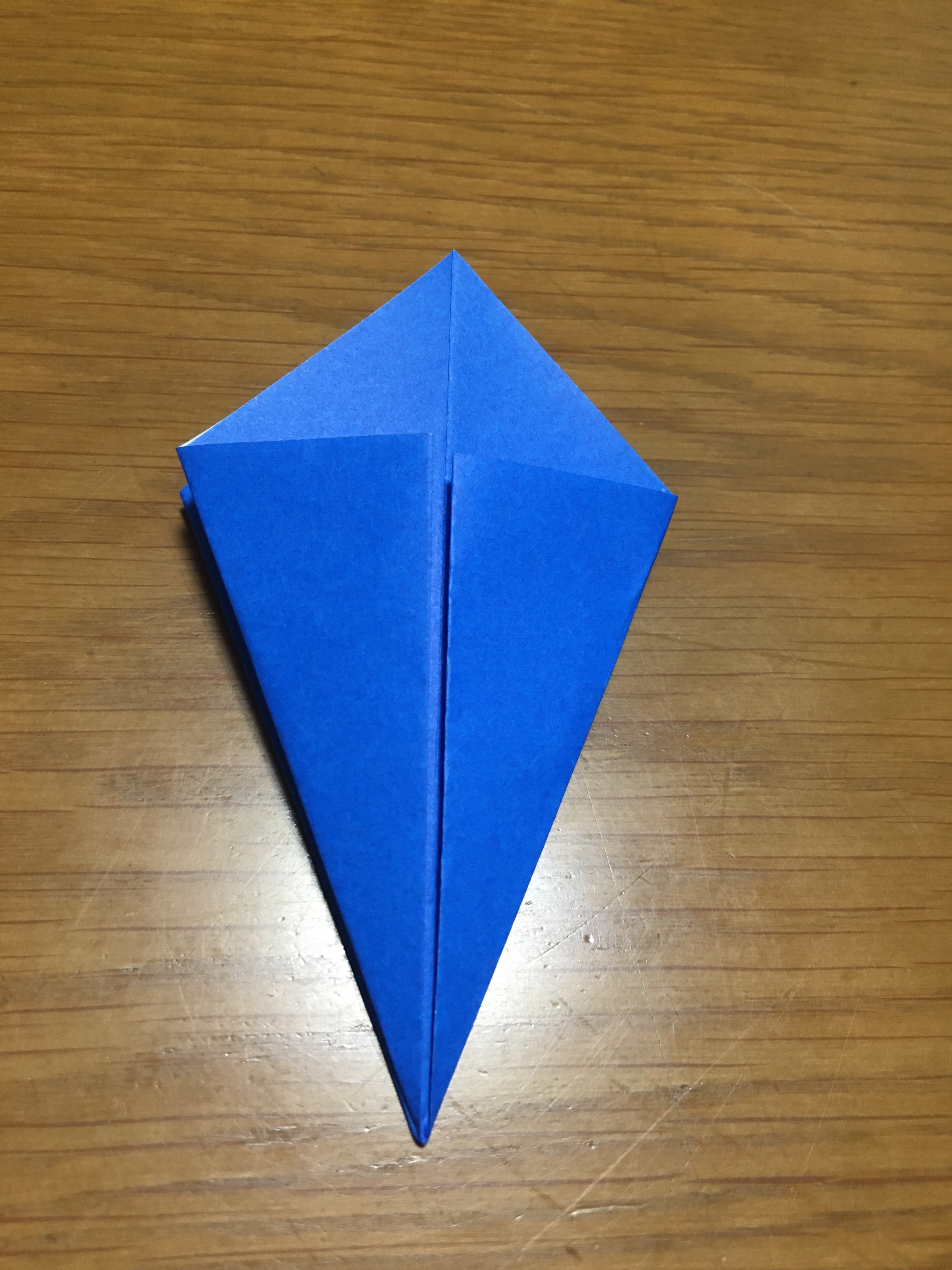
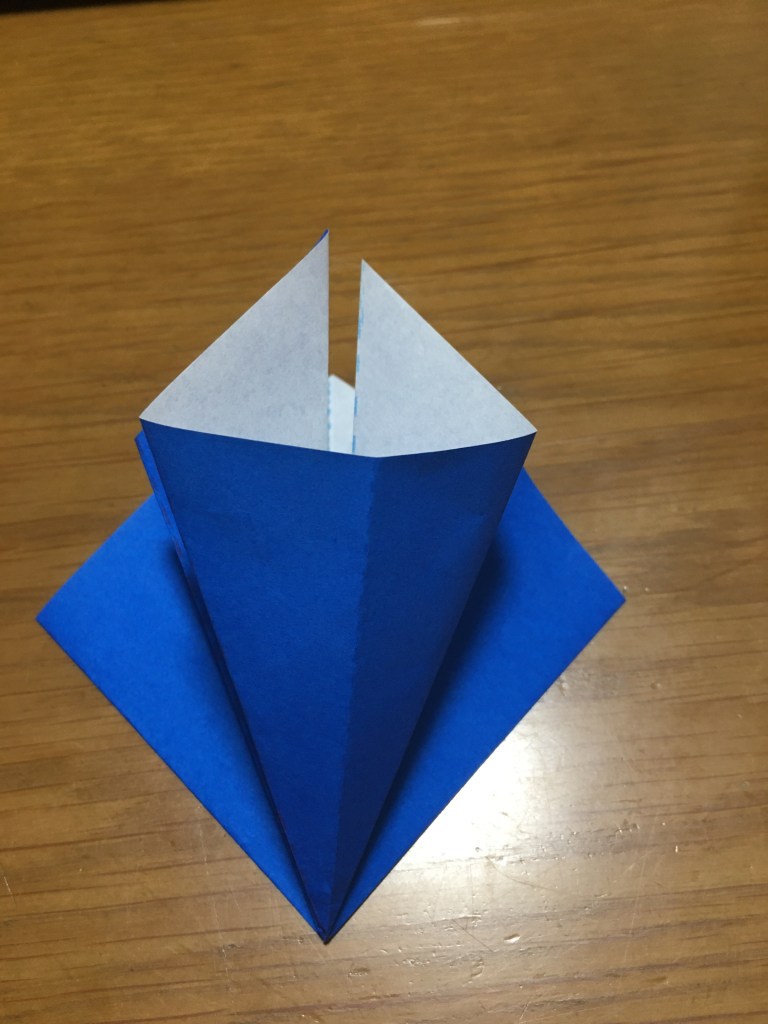
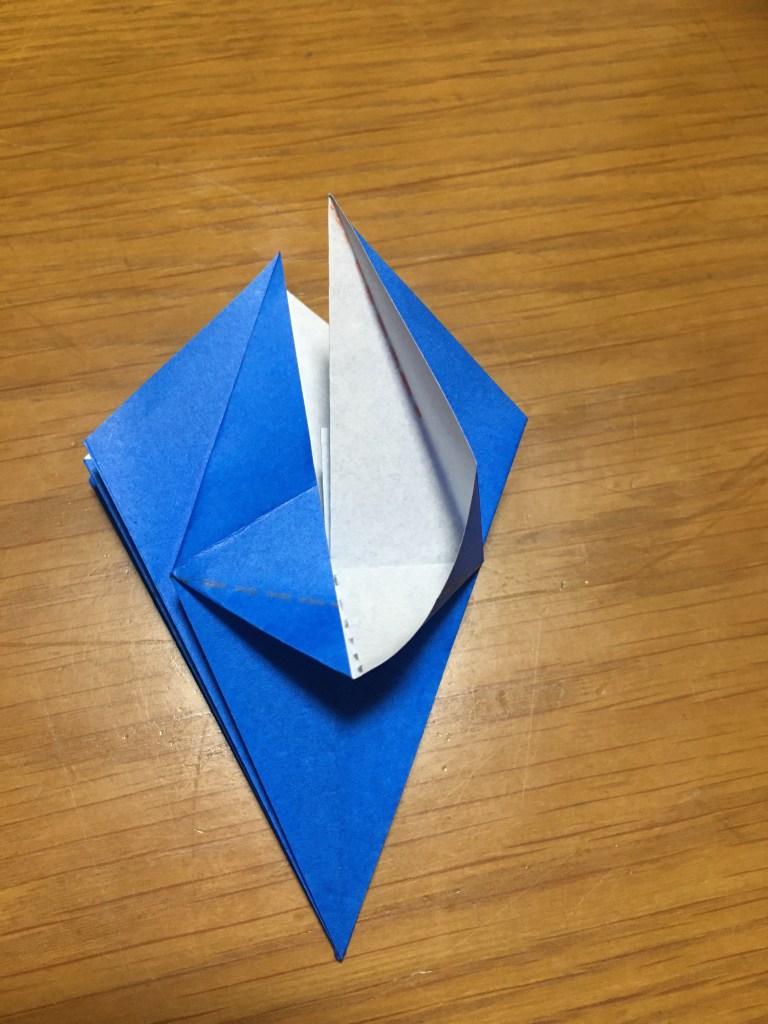
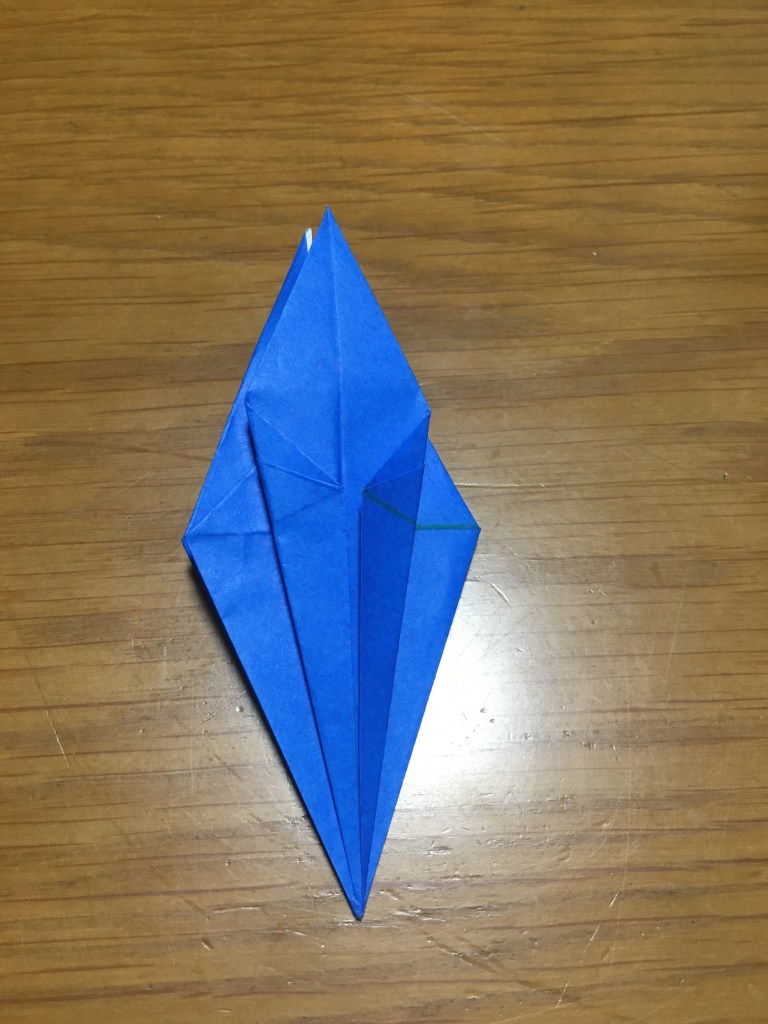
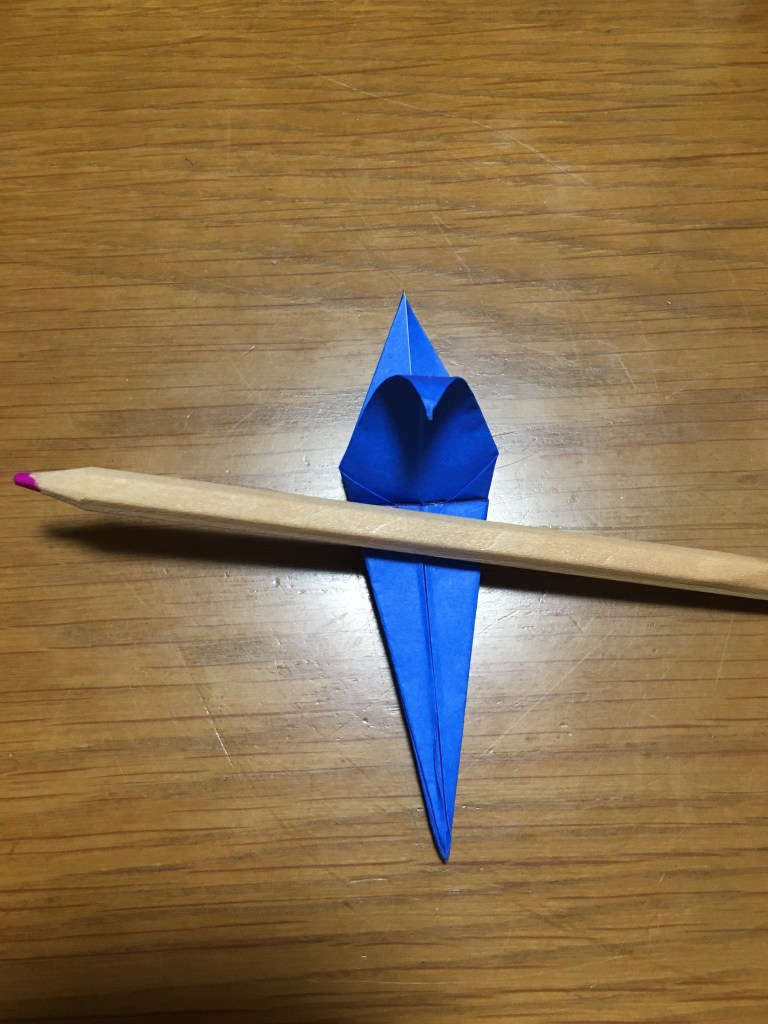
Fold along the line in Valley style like the following photo
Using a pencil to make a curl. Repeat the same process 3 times more
It might be one of the hardest languages to learn Japanese, as Japanese have 3 different styles Alphabets and I’m most cases we use all alphabets everywhere.
Especially remembering 漢字 (Kanji) is a nightmare – even for native Japanese too as there are just too many of them.
Each Kanji normally have 2 ways to pronounce. For instance, 空 can be pronounced as Sora, and Kuu. The way of reading it as Sora is called 訓読み (Kun Yomi) which is originally from Japan. On the other hand, Kuu is called 音読み (On Yomi) and this way of pronouncing came from China.
For 訓読み 漢字, there are different characters but meaning similar or just a little bit different – those related words are called 異字同訓 (Iji Doukun) and used often in normal life in Japan.
あつい (Atsui)
-暑い: the weather is hot like summer
-熱い: the temperature is hot, used often for the drinks, bath
あし (Ashi)
-足: below ankle area, more like foot
-脚: below the trunk, entire legs
かたい (Katai)
-硬い: strong and won’t be destroyed easily by the outside power. Often used for stones, metals
-固い: strong and won’t deform
-堅い: stuffed inside so very hard. Trustworthy, keepi the secret
かえる (Kaeru)
-変える: change to the different shape compared to before. Eg. hair color/ style change
-替える: change to new things. Eg. TV, curtains, Table
-換える: exchanging, switching. Eg: air in the room
-代える: replace the role with somebody. Eg: substitute player
People in Japan learn those Kanji and understand the subtle meanings in order to use properly.
If you master all Iji Doukun, all your Japanese friends will be astonished:)
Now it’s a difficult time for everybody due to Covid-19, especially the fact that people cannot travel to other country is one of the biggest issues all countries have.
While waiting for all boarders to be opened again, I would like to introduce you some of the overseas within Japan – where have very strong culture from other country.
*photos will be uploaded soon
1. 横浜中華街 Yokohama Chuka Gai
Just like most countries have China town, so does Japan. There are 3 famous China towns in Japan but Yokohama in Kanagawa Prefecture is the biggest! (Other 2 are Kobe and Nagasaki)
The street is about 500m long and there are more than 200 shops – mainly foods! There are also unique shops like Chinese dress rental shops, professional massage shops and fortune-telling.
2. ブラジルタウン大泉町 Brazilian town Ooizumi Chou
There are many Brazilians live in Japan and especially 大泉町 (Ooizumi Chou) in Gunma prefecture, has created Brazilian atmosphere. As a result of a number of Brazilians reside in Ooizumi Chou, there are Brazilian restaurants where serve the native tastes! Not only that, even schools serve the Feijoada (Brazilian home food) as a linch menu too. There are supermarket where specially deal Brazilian ingredients, clothing shops and general goods specialized Brazilian style.
3. リトルインディア 西葛西 (Little India Nishikasai)
It is not so famous but there are an area where many Indians gather and have their community in 西葛西 (Nishikasai), Tokyo. Located in Edogawa ward, this area is close from the Business districts, therefore many Indians who work there live in Nishikasai as it’s very convenient.
Nishikasai has the largest number of Indians who live in Japan, and in some shops, the workers could only speak Hindi only, not Japanese! People who visit there can enjoy the real tastes of Indian cuisine and they can get special ingredients from supermarket there.
4. コリアンタウン 新大久保 (Korean town Shin Ookubo)
Probably the most famous and the biggest Korean town in Japan is 新大久保 (Shin Ookubo), in Tokyo. Also 鶴橋 (Tsuruhashi) in Osaka is also popular.
It’s just one stop away from Shinjuku, therefore the access is perfect and even the hotels are cheaper compared to the Shinjuku area. Everyday (except these days) there are heaps people walk around on the street.
As a Korean town, people can get the best Korean food, snacks and cosmetics there. Shin Ookubo takes the home trend very quick, so they can just go there to enjoy the Korean real atmosphere. Because of e K-pop booming, most shops there has the TV screen and show K-pop idols’ performance and all shops put the trendy K-pop songs. It is like a heaven for K-pop fans, so Shin Ookubo is definitely the place to go if you are into K-pop.




 Little Japan Dictionary