日本発アプリ (Nihon Hatsu Apuli) – Apps from Japan

12th May – 皐月

Facebook, YouTube, Instagram, Snapchat, Pokemon GO etc… There are variety of worldly known Apps like those, but have you ever heard the following apps which was invented in japan?

クックパッド (Cookpad)

App (also website as well) that shows the cooking recipes. App registered people and professional people can post their original recipes therefore there are heaps recipes that you can use. Generally, recipes from public use ordinal seasoning and food so it is easy to cook the one you want. Professional recipes are normally for monthly paid member, and you can access more of the contents.

Nowadays, there are other rival Apps called デリッシュキッチン (Delish Kitchen) and クラシル (Kurashiru). Those are the Apps (And websites) showing recipes in 1 minute video. More and more people prefer the video style as they can see the process and it is quick to watch.

斎藤さん (Saitou San)

Calling App to connect with random person who is online. Also possible to do a video call. This App will RANDOMLY choose the receiver therefore it is sometimes risky to use.

ニコニコ動画 (nikoniko Douga)

Video posting / viewing app similar to the YouTube. The special point about ニコニコ動画 is that viewers’ real time comments are flowing on the top of the video. Therefore viewers and people posting video can see the real time comments. It is said that there are many Anime fans and gaming fans in ニコニコ動画.

ママにゲーム隠された (Mama ni Ge-mu Kakusareta)

This game has the English version as well called ‘Hidden my game by Mom’. This is the gaming app finding game that hidden by mom character, the hidden places can be very funny and sometimes you need to use the items. Each stage you will get the way how to find it and also there is a hint if you still cannot find it! There are similar game called 学校サボる!-脱出ゲーム (Gakkou Saboru! – Dasshutsu Ge-mu), in English name as ‘Skip the school! – Escape game’. This one is to run away from the teacher. The relating game comes with work place one as well!

In my opinion, it seems like that many of Japanese gaming apps have funny concepts – It is perfect for killing time and sometimes it is very addictive for short period!

ヨナ抜き音階 (Yonanuki Onkai) – Japanese musical scale

11th May – 皐月

Old Japanese music style has unique sounds that are very peculiar, this is because there is a Japanese musical scale exists. Older time before Western music spread in Japan, Japanese used to call the sound of Do Re Mi Fa So La Ti as ヒフミヨイムナ (Hi Fu Mi Yo I Mu Na). Those letters came from the pronunciation of numbers (一 as 1=ヒ,二 as 2=フ, 三 as 3=ミ, 四 as 4=ヨ, 五 as 5=イ, 六 as 6=ム , 七 as 7=ナ). For Japanese musical scale, it takes ヨ(4th) and ナ (7th) off and is called ヨナ抜き音階 (YoNa nuki Onkai) = Do Re Mi So Ra.

This scale started to be used in Meiji period (1868 – 1912) and often adopted in children’s songs. As Japan took the national isolation in the past, Japan was not influenced by the foreign cultures. This remarkably appeared in music.

There is another interesting music scale exists in Japan – it is called 琉球音階 (Ryukyu Onkai). This music scale is from Okinawa and independently prospered in Okinawa. Okinawa used to be one kingdom called 琉球王国(Ryukyu Oukoku) (in 1429~1879), about 450 years long. At that time, Ryukyu had many connection to the other Asian countries and did trading. Therefore, Ryukyu have its own style of music different to Japan. Ryukyu music scale is still often used by the Okinawa singers.

If you listen to Japanese songs, you might find some songs use those scales:)

瓦 (Kawara) – Roof tile

10th May – 皐月

Roof tile which are made from clay.

The view of Japanese towns is unique – mixture of modern and old buildings everywhere. When you see the rooftop of the houses, you can see the old houses have those fish scale-look roof tiles called 瓦 (Kawara).

Kawara is baked very high temperature, therefore it is very strong. It does not break easily and no need for maintenance. It is said Kawara can last for over 100 years without the effects from winds and snow. Also it has good sound insulation, thermal insulation and cold resistance, so it has many great points to have.

There are mainly 3 style of Kawara in Japan:

-和型 (Wagata): Also called as J型, gentle waving shape. Used often in the old building rooftop

-平型 (Hiragata): Also called as F型, flat plate style. Used often in the modern style buildings

-スパニッシュ型 (Spanish Gata): Also called as S型, it has flat and waving mixed tile and used for the rooftops which has uneven shape

Also the surface can be different types, such as 釉薬瓦 (Yuuyaku Gawara) – coating with the ceramic glaze and いぶし瓦 (Ibushi Gawara) – unglazed tile which often has silver color.

Each parts of the Kawara rooftop has its own name:

桟瓦 (San Gawara) – the main part of the rooftop

万十軒瓦 (Manjuunoki Gawara) – The bottom edge of the rooftop

袖瓦 (Sode Gawara) – Right and left edge of the rooftop

角瓦 (Kado Gawara) – The bottom edge corner of the rooftop on right and left

冠瓦 (Kan Gawara) – Top long part of rooftop

鬼瓦 (Oni Gawara) – The top pointy part of rooftop decorated with sculptured Kawara. Often has Demon face on it

etc…

With all the different parts, Kawara can consist the huge rooftop!

アイスクリームの日 (ice cream no hi) – Ice cream day

9th May –皐月

In 1964, an Organisation called 東京アイスクリーム協会 ( Tokyo Ice cream Kyoukai) established 9th May as “ice cream day”. They donated ice creams to the hospitals and schools and held events.

In Japan there are various different ice creams exist – from funny tastes to rich tastes, beautiful looks and so on!

Today’s blog I would like to recommend some of my favorite ice cream you can have in Japan.

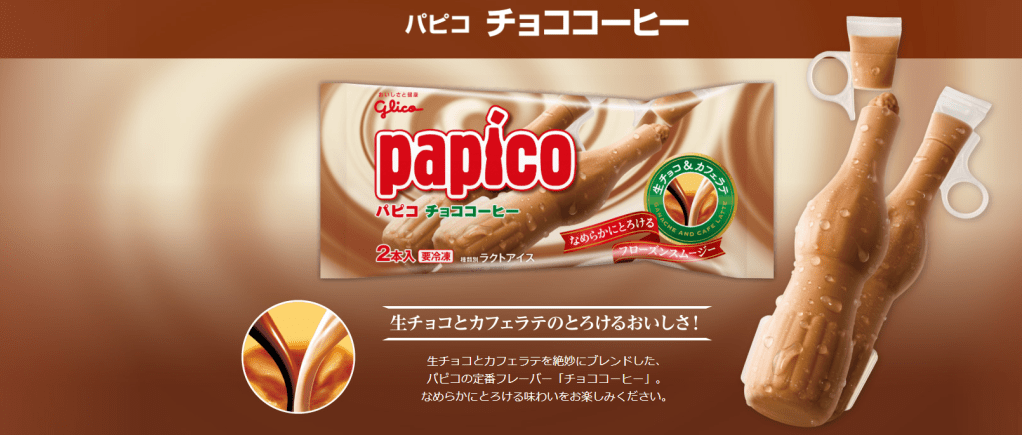
-パピコ (Papiko) – crushed ice with sweet chocolate coffee tastes. The best part is you can share half with friend!

https://jp.glico.com/ice/papico/

-ICE BOX – Grapefruit taste ice. Very refreshing and exhilarating so it is perfect to have it after doing sports!

https://www.morinaga.co.jp/ice/icebox/

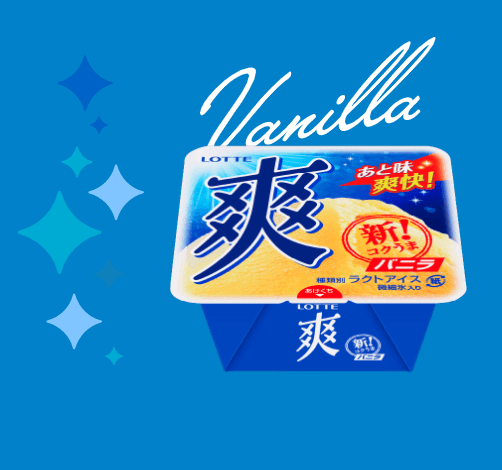
-爽 (Sou) – little ice crushes with rich vanilla tastes. Even it has rich taste, it is also refreshing after eating!

https://www.lotte.co.jp/products/brand/soh/

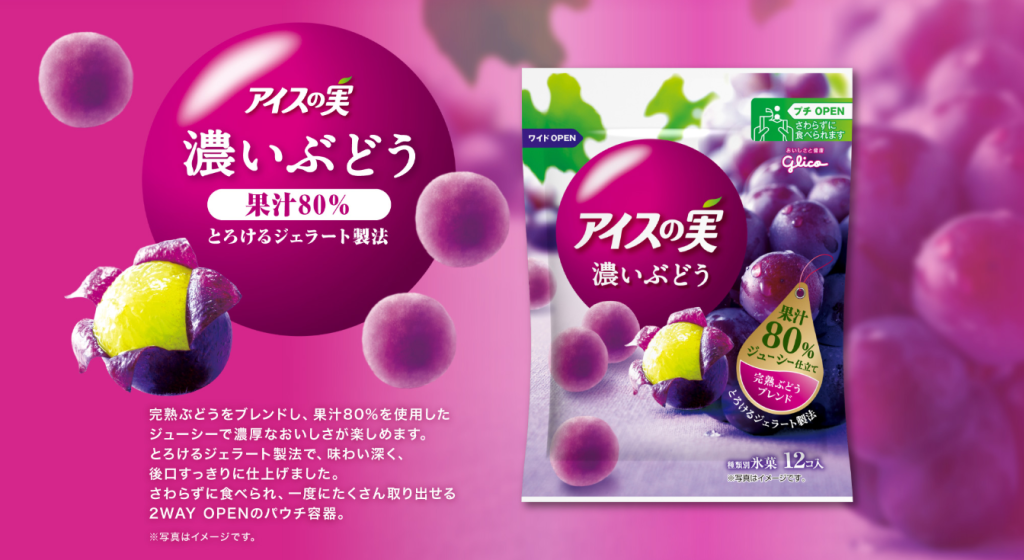
-アイスの実 (Aisu no Mi) – juicy fruits tastes. Each balls have coating so it does not melt easily when you pick them with finger. Sharing with friends and family is always awesome!

https://jp.glico.com/ice/icenomi/products.html

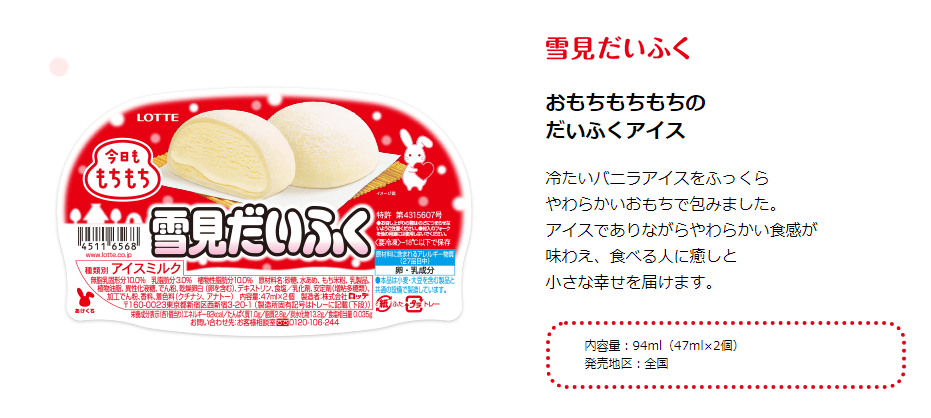
-雪見大福 (Yukimi Daifuku) – vanilla ice cream wrapped by soft rice cake (Mochi). there are only 2 ice bowls in one pack however the combination of vanilla and Mochi is out of world!

https://www.lotte.co.jp/products/brand/yukimi/lineup/

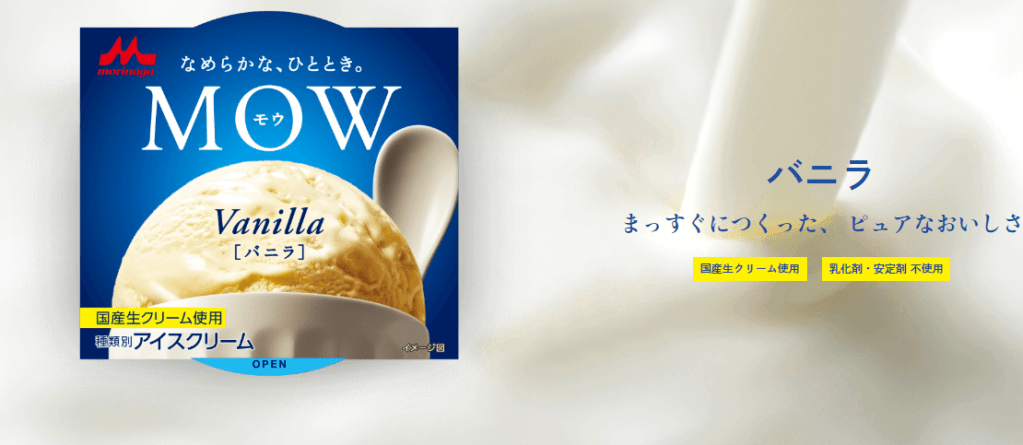
-MOW – Rich milk flavor. Great vanilla smell and the richest creamy tastes. I think this is my No. 1 favorite ice cream!

https://mow-ice.jp/lineup/vanilla.html

What is your favorite ice cream?

漬物 (Tsukemono) – Japanese Pickles

8th May – 皐月

漬物 (Tsukemono)- mainly vegetable soaked in salt, vinegar or rice wine to make the veggies last longer. Making 漬物 is such an easy work so it is believed to have existed already 2000 years ago. At that time, people already knew how to extract salt from sea water.

There are various types of 漬物, some of the examples are:

-ぬか漬け(NukaZuke)

Pickle food in fermented rice bran bed.

-粕漬け (Kasuzuke)

Pickle food in Mirin lees (sweet wine) or in rice wine lees

-味噌漬け (Misozuke)

Pickling food in Miso (soy bean paste)

Those ones are generally pickled for a longer time (more than a day ~ a months or more).

On the other hand, 浅漬け (Asazuke) also known as お新香 (Oshinko) 一夜漬け (Ichiyazuke) is pickled only for short period (few hours to a day). Eggplants, cucumbers and reddish are often used for 浅漬け.

Not only vegetables, but also seafood and meats can be pickled and give brilliant tastes!

漬物 can vary in the region too, so it has own way to make them or even different tastes and looks. Thus, 漬物 shows the cultures and natural features of the area.

When you go to Japanese restaurant, you might have seen one of those:

-たくあん (Takuan)

Radish pickles which often have yellow color

-福神漬け (FukujinZuke)

Some ingredients pickled in soy sauce and Mirin. Red colored sweet Tsukemono often comes with curry

-柴漬け (Shibazuke)

Pickled eggplants with purple color.

If you haven’t tried them yet, you should try!!!:)

日本食調味料 (Nihonshoku Choumiryou) -Japanese food seasoning

7th May –皐月

Japanese food have very unique tastes compared to the other countries.

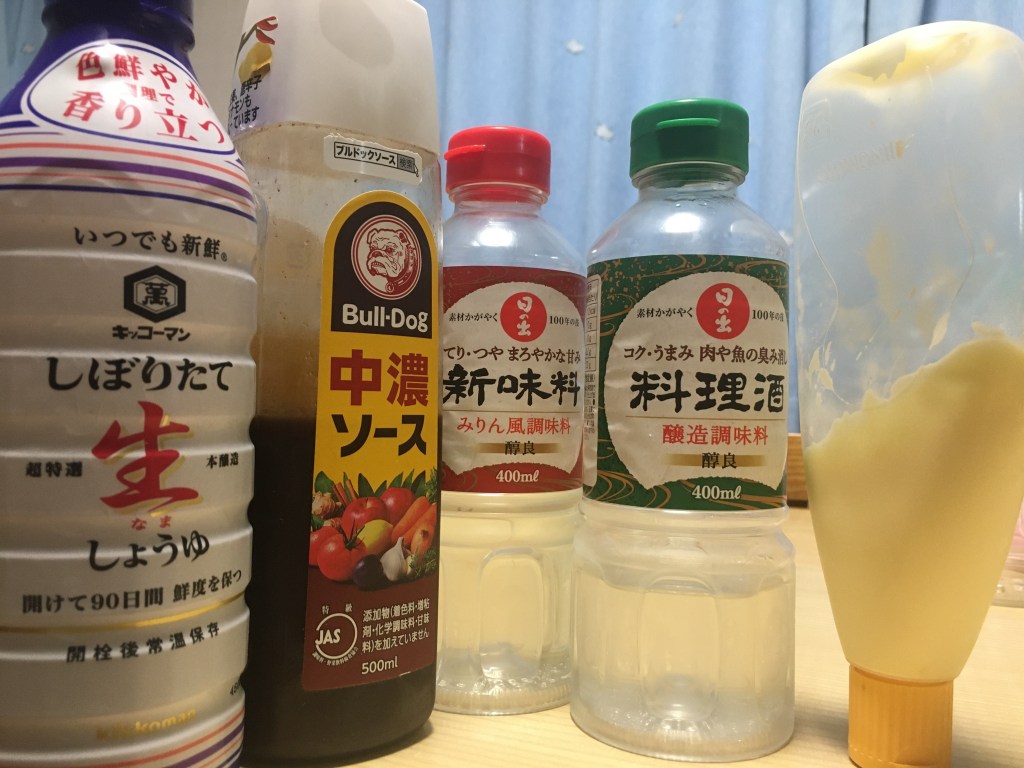
There is a specific words to explain Japanese basic seasoning – さしすせそ (Sa Shi Su Se So) yes, if you know the Japanese letters, you probably feel familiar to those word!

Each letters explain main seasonings for 和食 (Washoku).

さ for 砂糖 (Satou) – sugar

(*sometimes it might be considered as 酒 (sake) – rice wine)

し for 塩 (Shio) – Salt

す for 酢 (Su) -Vinegar

せ for 醤油 (Seuyu) – Soy Sauce

(*Nowadays, 醤油 is pronounced as Shouyu, however in the old time it was said as Seuyu therefore it was chosen for せ)

そ for 味噌 (Miso) – Bean paste

Those 5 seasonings are the basics for 和食. If putting those in order as さしすせそ, it is believed to give the perfect tastes to the food. This is because 和食 have many 煮物 (Nimono =boiled food), and sugar is the one to take the most time to soak in to the food, on the other hand Miso is the last one to add flavor to the food.

Other than さしすせそ, there are more seasonings that are used in 和食.

みりん (Mirin) – sugar with rice wine, Mirin gives food a sweet taste and shiny looks.

中濃ソース (Chuunou Sauce) – vegetable and spices mixed sauce, it has spicy and fruity taste, perfect for pork cutlet!

酒 (Sake) – rice wine, it takes the meat / fish smell off from the food.

出汁 (dashi) – Umami from seafoods. One of the easiest way to get dashi is putting dried bonito flakes into the boiled water. Taking out the bonito flakes and the left water is dashi.

マヨネーズ (Mayonnaise) – Japanese Mayo has acidity in it, different to the western mayo. It is used for many food such as salad, okonomiyaki, takoyaki and more!

Now you know the basic seasonings for Japanese food, why don’t you cook 和食 today?:)

5月病 (Gogatsu Byou) – Post Vacation Blues

6th May – 皐月

Today is the last day of Golden week. After this long holiday, some people feel melancholy – this is called 五月病 (Gogatsu Byou).

Those people who get 五月病 can have those symptoms:

-feeling depressed

-feeling sick

-do not want to go to work / school

-no appetite

-feeling tired all the time

In many cases, people who just joined the new company (April is the job starting month), transferred to the new office, assigned a new project and started new school are often the victims of 五月病.

New business / school year start in April, so newbies try to adjust the new environment. One month later, after the Golden week, those people feel less pressure and gradually realize the gap between the ideal and reality. Because of this, newbies loose their motivation and feeling depressed. It is said that the more the person is a hard worker, the higher to have a risk to become 五月病.

Things that we can do to prevent 五月病 is, we should release the stress and enjoy the hobby, exercise and keep the healthy life style (enough sleep, wake up early and eat well etc).

こどもの日 (Kodomo no Hi)

5th May – 皐月

Part of Golden week holiday, the day for children – Respecting the children’s individual characters, wishing for happiness for them and appreciating their mothers for bringing up the children.

Some people might have heard that 5th of May is also called as 端午の節句 (Tango no Sekku). However, this is a different event to こどもの日 (Kodomo no hi). 端午の節句 came from China and cerebrate only boys. This day has the meaning of avoiding sickness and bad lucks.

On the other hand, こどもの日 cerebrate all the kids and it was established in 1948.

Nevertheless, most Japanese recognize those 2event as the same therefore we conduct traditional customs for each events all together.

What to do in 5th of May to cerebrate ?

-take a bath with blue iris (=blue flag)

Putting iris leaves in the bath makes the strong smell in the bathroom. This smell is believed to have a power to escape from illness. Also it is believed that iris leave bath enables people to get through the hot summer.

-display 鯉のぼり(Koinobori)

鯉のぼり is the several Carps shaped clothes on the stick and is put outside the house.

Displaying it in order to wish for becoming a strong kids and succeeding in the life.

Carp can survive not only in the clean water but also in the swamps. Moreover, there is a legend story called 登竜門 (Touryuumon) – In the old time in China, there was a carp which went up to the waterfall. This one became a dragon and he went up to the heaven in the end. From those stories, Carp was chosen for symbol of こどもの日, wishing for the kids to become strong and healthy.

-displaying 五月人形 (Gogatsu Ningyou) and 鎧兜 (Yoroi Kabuto)

五月人形 is a boy doll with weapons. 鎧兜 is the Samurai head wears. Those strong wears are believed to keep the kids safe from sick and accidents.

-Eating ちまき (Chinaki) or 柏餅 (Kashiwa Mochi)

ちまき is the rice cakes wrapped by bamboo skin, tied up with rush. This style came from China and still eaten in Kansai.

柏餅 is the rice cake with bean paste inside, wrapped by oak leave. As the oak leaves doesn’t fall off until the new sprout comes out, so it is considered as descendant prosperity. Oak tree is uneasy to grow in the Kansai area, so it has been common in Kanto.

苗字 (Myouji) – Surname

4th May – 皐月

It is said that Japanese surname exists around 300,000 and there are very common ones to the rare one only 1 household owns.

There are 3ways to say surname in Japanese: 苗字 (Myouji), 名字 (Myouji) and 姓(Sei).

苗字 was often used in Edo period, 苗 means seedlings so it has the wish that the family name to be inherited from generation to generation.

名字 is related to the surnames that was derived from the region and place.

姓 is the oldest way to be used when the surname was given by emperor related to job position and land.

Nowadays all 3 ways are used regardless of the situation.

The most common surname is:

佐藤 (Sato)

Then followed by 鈴木 (Suzuki), 高橋 (Takahashi) and 田中 (Tanaka).

On the other hand, rare surnames can be:

雲母(Kirara) – each Kanji doesn’t have the exact sounds for Kirara but is still pronounced as Kirara.

御薬袋 (Minai) – doesn’t have the exact sounds. Meaning of the medicine bag

風呂 (Furo) – meaning of bathroom

世界 (Sekai) – meaning of world

辺銀 (Pengin) -sounds like a penguin

Do you have any friends who have those surname? What is the common / unique surname in your country?

憲法記念日 (kenpou Kinenbi)

3rd May – 皐月

Today is a part of the Golden week, 3rd May is a public holiday called 憲法記念日 (Kenpou Kinenbi) – Constitution day. Cerebrate the establishment of the Japanese constitution and wish for the growth of country.

The current constitution was announced on 3rd November 1946, and enforced from 3rd May 1947. The first plan was to set the day of enforcement in 5th May, however this day falls as 端午の節句 (Tango no sekku) which is the celebration day for boys. Because of this fact, it was considered as violation of gender equality, thus 3rd May was chosen for constitution day.

Constitution is the absolute rule in Japan, and then hierarchy goes down to Law, Order and Rule. Even if the Law says something a little bit different to consultation, the law is invalid.

Briefly saying, there are 3 definite principal:

-国民主権 (Kokumin Shuken)

Citizen have the absolute right. emperor is regarded as “Symbol” of Japan.

-基本的人権の尊重 (Kihonteki Jinken no Sonchou)

Respect for fundamental human right. This right is valid for whole life and cannot be violated.

-平和主義 (Heiwa Shugi)

Pacifism.

Especially the third principal 平和主義 (article 9) is rare in the world and Japanese are proud of to have it.

There are 3 pillars for Pacifism in Japan.

-戦争放棄 (Sensou Houki): Renunciation of war

-戦力の不保持 (Senryoku no Huhoji): Retaining no war potential

-交戦権の否認 (Kousenken no Hinin): Denial of belligerent right

After the world war 2, Japan has set this constitution in order not to repeat the worst mistakes. Nevertheless, the current prime minister Mr. Shinzou Abe has been trying to change this 平和主義 (article 9). He wants to change the self-defence force to be more powerful, and have more power for government rights. Due to Covid-19, the Japanese strict constitution that cannot be violated started to be known more (As Japan cannot do the lockdown). Now he found the perfect timing to change the constitution which hasn’t been edited since 1947, to turn out just as he has wished (having the stronger government power). However, changing this constitution can cause another war again, which should not happen. Let’s see how Japan is going to be…

Design a site like this with WordPress.com
Get started