招き猫 (Manekineko) – The cat shaped ornaments with front hand up. Cats catch mice which harms crops and house. Thus, Cats were appreciated by people and 招き猫 has been considered as a lucky item.
There are different shaped and various colored 招き猫.
If the right hand is up, it is believed to bring money. Those ones are male cats.
If the left hand is up, it is regarded as bringing people (customers).Those are female cats.
Also the height of its hand is different – the higher the hand is, the more it will bring lucks.
Generally, 招き猫 is tortoiseshell cats, especially the male tortoiseshell cat is very rare so it is considered to have more luck.
In addition, black 招き猫 is for amulet, protecting from evils. This is because black cat has believed that they could see things in the night (I think all the cats actually can?). Red 招き猫 is for good health, as red is considered as the color that god of sickness hates.
Why is 招き猫 believed as lucky item?
There are many possible origins. One of the interesting ones is – In the Edo period, one famous warrior called 井伊直孝 (Naotaka Ii) went for the walk. When he passed in front of the temple 豪徳寺 (Goutokuji), there was a cat beckoning him. Therefore, he took a break. While he was waiting in the temple, the heavy storm and thunder hit the area. Thanks to the cat, he survived. After this incident, he made 招き猫 and placed in that temple. This is the possible origin of 招き猫.
88 days after 立春 (Risshun) is the day of starting summer. This year falls 1st of May. From around this day, there are less frost therefore it is considered as the starting day of farming.
Now the day is becoming longer and longer, the temperature is getting above 20 degrees in Japan. 八十八夜 is the great timing to start planting rice, picking tea leaves.
The teas which were picked around 八十八夜 generally have high nutrition and smells great. It is called as 新茶(Shincha) or 一番茶(Ichiban cha) and treated as special tea.
It is said that if people plant rice seeds around 八十八夜, the rice is going to grow very tasty and can have great harvest in Autumn. Also if you disassemble the letter of rice (米), it become 88 (八十八). People who turned to be 88 years old is called 米寿(Beiju) and cerebrate for the long life.
八十八夜 is the auspicious day for farmers!
On the other hand, there is a proverb related to 八十八夜 – 八十八夜の別れ霜 (Hachijuu Hachiya no Wakare Jimo), meaning of the frost appearing in this season (which are not supposed to). This frost harms the crops therefore farmers have to be careful.
One types of dried fruits, preserved food. Pickling plum in salt and then dry it. Umeboshi has very strong salty taste and includes Citric acid and Malic acid.
梅干し (Umeboshi) is definitely not everybody’s taste, some extremely love it but others hate it due to the strong salty taste. Despite this super salty taste, it has a lot positive effects on human body and actually it is an healthy food with moderation.
Umeboshi came to Japan as an anti-coughing, anti-fever and anti-vomiting medicines from China long time ago. It has クエン酸 (Kuen San = Citric acid), which makes stomach digestion well and improve the apatite. Moreover it also contains リンゴ酸 (Lingo San = Malic acid), which disassemble 乳酸 (Nyuu San = Lactic acid) so it promote recovering from exhaustion.
Therefore, some of the effects that can be expected from eating Umeboshi are:
-Anti-aging
-Recovering from hangover
-Relieving constipation
-Heat stroke prevention
etc…
Umeboshi has not only those health related effects but also good for taking the fish smell off, preserve food from going bad and so on!
If you plant the Umeboshi seeds, it won’t grow sadly, because it was pickled in the salt.
When you open the Umeboshi seeds, there are little fruit part called 仁 (Jin) and it is also called as 天神様 (Tenjin Sama). This name derive from the famous noble 菅原道真 (Sugawara no Michizane), he was later called as the god of study. He loved plum so much. Because he was the noble and the seed part was called as his nickname, people in Edo era thought it is a bad deed to throw Umeboshi seeds away. Consequently, they made a place to locate all the holly seeds (梅干しの種収め所, Umeboshi no tane Osame Dokoro) in 太宰府天満宮 (Dazaifu Tenmanguu), Fukuoka.
仁 contains 青酸 (Seisan = Hydrocyanic acid) thus considered as poisonous when it is not ripen. However when it is ripen, it is safe so do not worry.
Remember, moderation is the key for good health, as Umeboshi has so much salt in it!
The birthday of Showa Emperor. It falls in the first day of the Golden week.
Even the Heisei Emperor’s birthday is no more holiday (23rd of December, which was holiday till 2018), the birthday of Showa emperor is still regarded as Holiday.
昭和の日(Showa no hi) was called as 天皇誕生日( Tennou Tanjoubi = Emperor’s birthday) till 1988, then when the era changed to Heisei (in 1989), 29th of April started to be called as みどりの日 (Midori no hi = Green Day) and still considered as holiday. Then, in 2007 the name of the holiday changed to 昭和の日 (Showa no hi = Showa day).
When the Heisei Era started, there was an idea to make 29th of April as a normal day, however by doing that, it would confuse the holiday plans for people (as Golden week would collapse). Therefore, government decided to keep that day as a holiday called みどりの日. Then made the day to enjoy the nature and appreciate it.
The reason why 29th of April changed to be called as みどりの日 was because Showa emperor was a biologist. Moreover, there was another reason – in order not mentioning Showa. As Showa was the time when World war 2 happened so it was concerned that the word ‘Showa’ would associate War.
Despite of the consideration in the past, it changed to Showa no hi from 2007. It has the meaning of remembering the tumultuous era that the defeated country crawled up and achieved high economical recovery. みどりの日 was then moved to 4th of May.
Bonus information:
The new holiday 天皇誕生日 is now 23rd if February. The birthday of Meiji Emperor (3rd of November) is now regarded as 文化の日 (Bunka no hi = Culture day). Taishou Emperor’s birthday (31st of August) is not holiday, as the Taishou era was short.
From the end of April to the start of May, Japan has huge continuous public holiday, called ゴールデンウィーク (Golden Week). This holiday consists of 昭和の日 (Showa no hi, 29th),憲法記念日 (Kenpou Kinenbi, 3rd), みどりの日 (Midori no hi, 4th), こどもの日 (Kodomo no hi, 5th).
Japanese society is generally considered to be hard to get the continuous holidays in businesses. Therefore, many people take long vacation during Golden week. Now Japan is concerned about the movement people will take while Golden week this year, due to the Covid-19. There has been an alert that strongly recommending not to travel around, however it is reported that about 60,000 people have booked tourism related holiday to Okinawa during this period. Hopefully they will change their mind.
Why is it called as Golden week?
It is believed that this word came from movie industry in Japan. In the past, the movies which were published in this long holiday got very good number of visitors to the movie theaters. Taking the radio industry jargon ‘Golden hour’, meaning of the time when there are the highest volume of listeners (19:00~22:00) and named it as Golden week. By 1952, this term was widely used even to public.
It used to be called 飛び石連休 (Tobiishi Renkyuu, Stepping stone holiday), as there are non-public holidays between those days (30th, 1st and 2nd), plus there used to have Saturday works / schools. However, the law changed in 1985 determining Saturday as a day off and if there are non-public holiday between public holidays, make the day between as holiday too.
After Golden week, the next public holiday jumps to Monday 3rd week of July (海の日, Umi no hi), so it is good to take a rest while Golden week and be ready for the hectic work months!
Every month on 27th, I write Japanese 怪談 (Kaidan) stories. This time is about scary game that mainly Japanese school kids did (does?). Maybe it is better not to do those games, otherwise you might get cursed!?
こっくりさん
It was boomed in 1970’s at schools, the game is to bring the ghost called こっくりさん (Kokkuri-san), one types of necromancy. Group of students conducted this ritual and brought Kokkuri san to the classrooms.
Preparation:
-white paper
-pencil
-10 yen (Around US 10 cent)
1. Write はい (Yes) /いいえ (No) and between those draw Torii gate in the middle of the paper.
2. On the bottom of the paper, write all Hiragana and numbers (0~9).
3. Place the 10 yen on the top of Torii gate and say ‘こっくりさん こっくりさん どうぞおいでください’ (Kokkuri san *2 Douzo Oidekudasai)= Please come down Kokkuri san
4. If the 10 yen move to はい (Yes), means Kokkuri san come down there.
5. Then ask what you want to know. 10 Yen might move to the Hiragana / Numbers to answer the questions.
6. After each questions, say ‘鳥居の位置までおもどりください’ (Torii no ichi made Omodori kudasai)= Please go back to the Torii place
7. When you want to finish the necromancy, say ‘こっくりさん こっくりさん どうぞお戻りください’ (Kokkuri san *2 Douzo Omodorikudasai)=Please go back Kokkuri san
8. If the 10 yen move to はい (Yes), means Kokkuri san accept to go back. So the necromancy finishes.
There is a very important rule during this ritual – you cannot take your finger off from the 10 yen throughout the necromancy. If taking off from it, Kokkuri san will curse you…
Actually some schools used to ban this game as it impacted many students – some actually suffer from cursing, some killed themselves, some got in trouble etc. Spooky!
ひとりかくれんぼ
Different to the game done in school, ひとりかくれんぼ (Hitori Kakurenbo) is done at home by oneself.
Preparation:
-Stuffed animal with legs and arms
-rice
-own cut fingernail
-knife
-sewing kit with red strings
-salt water
1.Name the stuffed animal and cut its belly part. Take the inside out and fill the rice and own nails in, then sew the part with red strings.
2. Locate the salt water in the place where you will hide.
3. At 3 am, start the ritual. Take the stuffed animal to the bathroom and soak the stuffed animal in the bath water. Then tell the stuffed animal 3 times ‘鬼は私'(Oni ha Watashi)=I am the one to find
4. Turn off all the lights except TV.
5. Close the eyes and count 10 seconds. Then hold the knife and go back to the bathroom and say ‘見つけた’ (Mitsuketa)=I found you. And stub the stuffed animal.
6. Tell the stuffed animal ‘つぎはあなたの番’ (Tsugi ha Anata no Ban)=Next is your turn. and go back to where the salt water was placed.
7. While hiding in the place, you will see the various psychic phenomenons, according to the rumors.
8. When you want to finish the ritual, you contain the salted water in your mouth and bring the remaining water to the stuffed animals and pour it (also the water in your mouth too).
9. Then declare ‘私の勝ち’ (Watashi no Kachi)= I won.
It is said that you have to finish within 1~2 hour. Also you have to find the stuffed animals which could move around while hiding in order to finish the game. This might be very hard to finish the game… If you cannot finish the game by 1~2 hours, you will be cursed, as always. mmm goosebumps!
Japan is the country where have the habit of using only chopsticks in the meal. There are many countries using chopsticks as well but they use spoons, forks as well at the same meal.
This is related to the food Japanese eat mainly – now there are more choice of food we can eat, but in the past, rice was the main food that Japanese eat. And this rice – which is stickier than the other species, made it easy to eat with chopsticks.
“If the kids cannot use chopsticks in a correct way, discipline from Parents are considered to be very bad” – this has handed down. Therefore, when kids become around 3years old, parents give training chopsticks and discipline them.
The correct way to use chopsticks is:
-support the top stick with thumb, index finger and middle finger.
-Put the bottom stick in the root of thumb, hold just like holding pencil.
-Hold one thirds of sticks and move the top stick up and down.
Many people use chopsticks crossed (バッテン箸, Batten Bashi), try not to do that way!
橋(Hashi=Bridge) connecting the one side to another,
梯子(Hashiro=Ladder) connecting up and bottom,
The word ‘Hashi’ relates to ‘connection’. Also 箸 (chopsticks) has been considered to connect people and god. Using chopsticks is believed to tell the appreciation to god.
Chopsticks can have various usage for eating food, not like spoon and folks which have one single usage. Chopsticks can: pinch, press, wrap, peel, cut and more!
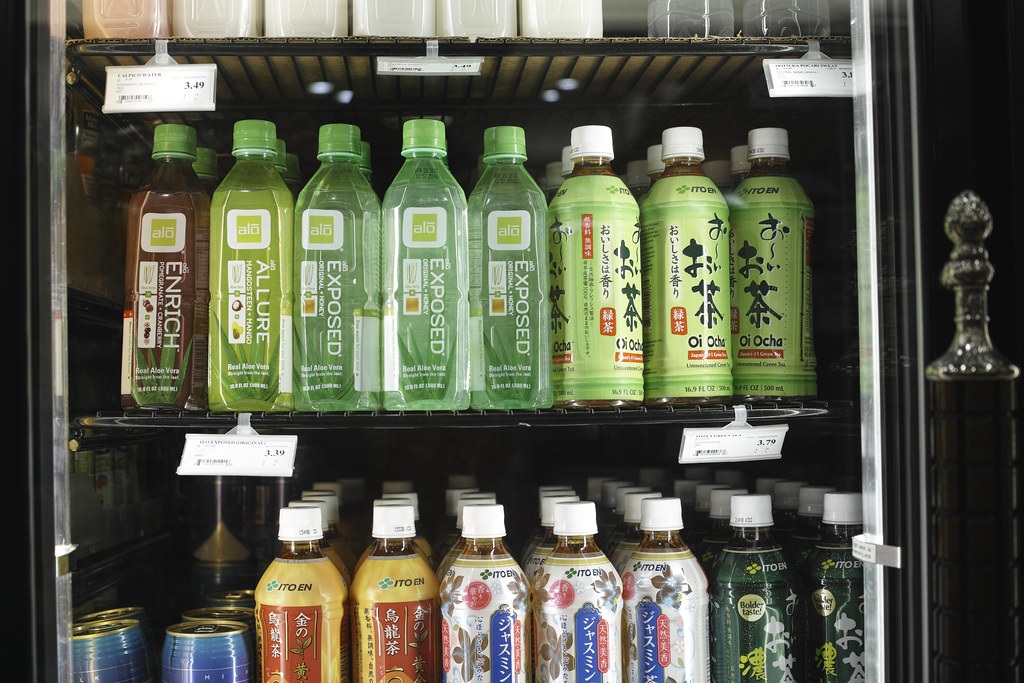
There are heaps unique things sold in Japan, one of the typical ones is drinks.
Famous drink brand Coca Cola started to sell transparent cola ‘Coca Cola CLEAR’ in 2018, in Japan. The taste is similar to the original black colored cola, however the new looks have attracted Japanese.
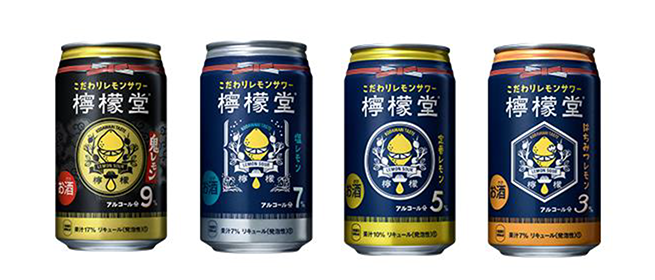
Also from Coca Cola company, Coca Cola sell alcohol drink only in Japan called ‘檸檬堂=Lemon Dou’. The base flavor is Lemon sour cocktail, and one have salty taste, the other includes honey and another is more lemon juice in it.
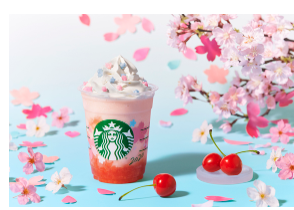
Starbucks in Japan have limited flavor as well. The most famous one is Sakura flavor, only sold in the Spring time. Also have cherry blossom related goods during this season, thus many Starbucks fans like to collect those goods.
Even some shops of the Starbucks in Japan have its special menu only available in specific shops. One of the Omote Sando shop, Tokyo has Frozen Apple tea, Chirtose Airport in Hokkaido sells White Chocolate & Expresso Flappechino etc.
Have you heard the drink called メロンソーダ (Melon Soda)?
Melon soda – Green colored carbonated drinks that have been drunk by Japanese from long time ago, is still children’s favorite. Even this drink does not have actual Melon juice in it, the green color reminds people of melon. Putting vanilla ice cream on the top (メロンクリームソーダ) is the best combination.
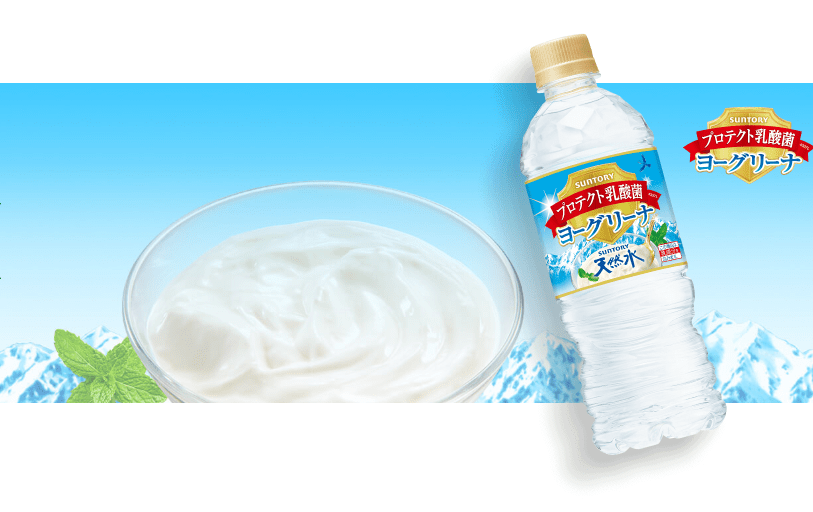
Another transparent drink, called ヨーグリーナ (Yo-guri-na), Yogurt flavored water from Santory. This company sell other flavored water such as orange and plum, also the other company sells flavored water like grape, pear and peach. All those does not have color just like water, so it is very surprising when you drink them for the first time. You can find them easily in the convenient store.
Japanese created ‘food’ into drinks.
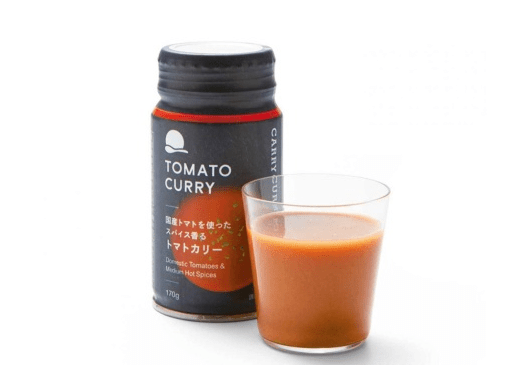
In the vending machine, sometimes they have お汁粉 (Oshiruko), sweet red bean soup and コーンポタージュ (Corn potage) in a can. Even there used to be spicy tomato curry drink sold in Japan as well (It was limited version and already sold out). According to the people who tried this curry drink, it was very spicy did not have ingredients.
Not only those ones, there are various drinks which actual ‘food’ being in the drinks – jelly in the juice, Aloe vella juice, fruits (keeping its shape) in the juice etc.
It seems that Japanese like to try unique drinks that not many people have thought about. That is why many out-of-box items have created.
If you have a chance to visit Japan, it would be interesting to try weird drinks!
Suburbs and regions in Japan have many unique customs. Some of them still exists on the other hand some had already obsoleted.
One example that has inherited is なまはげ (Namahage) in Akita prefecture. Namahage is a creature which wears scary 鬼(Oni=Demon) mask and straw clothes. He holds knife and breaks into the house. On 31st December, when Namahage comes to the houses in one region in Akita, people confess their bad deed and offer liquor to Namahage to send him back.
By doing this ritual, it is believed to get rid of bad lucks from the house and being a peaceful new year. Moreover, it is also considered to bring harvest, big catch on fishes, no sickness for year.
Why is it called Namahage? Namahage came from the word ‘火斑 – Namomi’. Namomi is the red spots appears on skin when people stay in front of stove too long. Lazy people who lays in the warm place all the time gets this spot, so Namahage scares those people to make them move – 火斑を剥ぐ Namomi wo hagu, turns into the word Namahage.
On the other hand, some of customs which used to exist but already vanished can be very cruel.
One is called 人柱 (Hitobashira), killing an alive chosen person as a sacrifice. In the past, when constructing huge buildings, this custom was conducted in order to wish for the buildings to last longer without any disaster. For the dams, chosen person were sunk alive. For the bridges, chosen person were buried alive inside the bridge.
Another example is 姥捨山 (Ubasute Yama), neglecting the elders in the deep mountain. This custom was carried out due to the food shortage in the past.
There are more and more regional customs which still exist and also obsoleted. It is very interesting searching about old customs in Japan!
Bento – as a take away food box, is well known all over the world. This word came from Japanese word 弁当 (Bentou), and its quality is stunning in Japan. Many of Japanese students and workers bring their 弁当 to school and work and eat them at the lunch time. It is said that why 弁当 was developed well in Japan is because Japanese rice is tasty even it gets cold. Nowadays, 弁当 related goods, such as lunch box, portable catteries, bags for lunch box are sold in various shops. Moreover, there are 弁当 decoration items like seaweed cutter, egg sharpeners are everywhere in those cooking isle in the shops. This is due to the trend of キャラ弁 (Chara Ben) the abbreviation of Character Bento. Many parents and wives put a lot effort to make the lunch time fun for the receiver!
In the past Heian era, 弁当 was very luxury therefore only nobles could relish it. The box used at that time was called 提重箱(Sagejuu bako), having various shelves and tools at one. They went to see the Cherry blossoms and Autumn leaves and enjoyed the food there.
Then in Edo era, 弁当 became a public box of food, and the famous 弁当 called ‘幕の内弁当’ (Makunouchi Bentou) was introduced. Makunouchi Bentou still exists everywhere now and it means the box of food including White rice with variety of different dishes on the side. This 弁当 was eaten when people went to see the theater. In between the play (After the first play and waiting for the second play), they eat this 弁当, therefore this 弁当 was named like this.
On the other side, 弁当 at the station also became very famous, called 駅弁 (Ekiben). Ekiben was started in Meiji era, selling rice ball wrapped in bamboo skin. This evolved to the ones nowadays which includes regional special ingredients and sold at the station. This special regional Bento has spread since the train travel became a trend.
To make an easy but very cute 弁当, you can make タコさんウインナー (Takosan Winnar).
タコさんウインナー
Make three break lines in the one edge of sausage and grill it on the pan. The cut part will gradually open and look like an octopus!






.jpg)
 Little Japan Dictionary