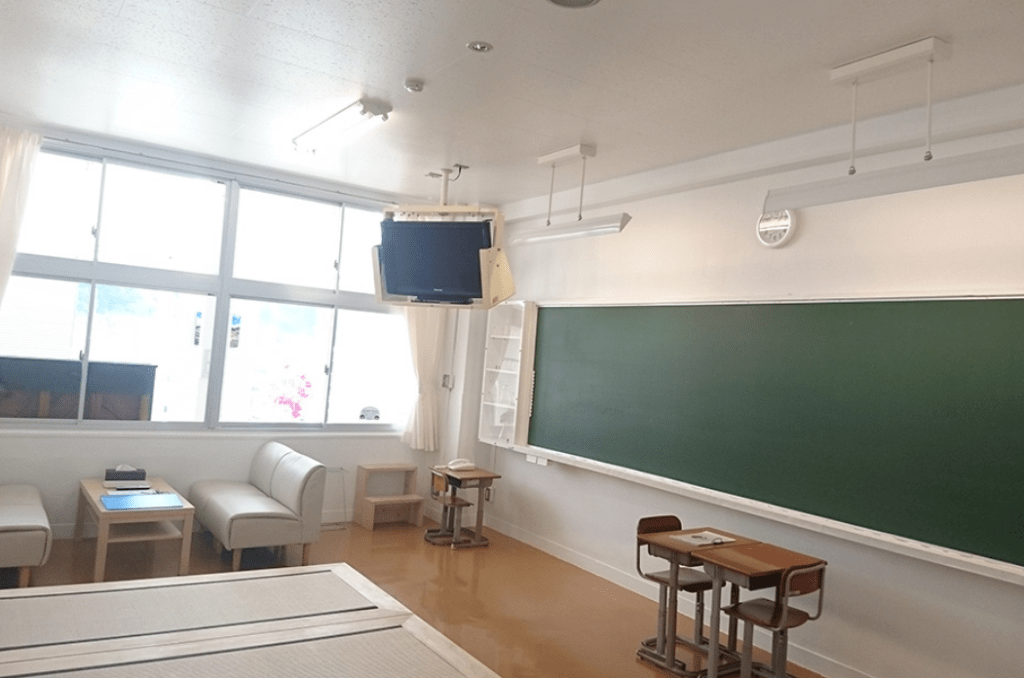
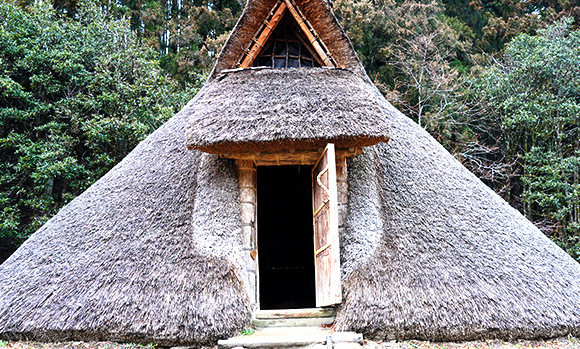
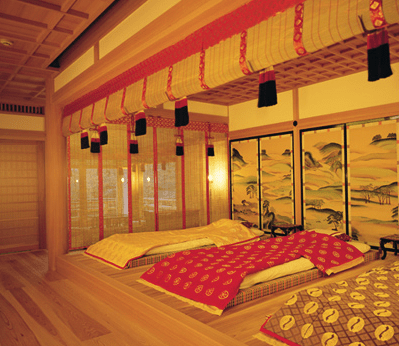
Now due to the Covid-19, it is limited to travel around for most countries. So why don’t we use the time to think about the next trip? Let’s be positive and be excited about the future! – Today’s blog will introduce some interesting hotels that you can stay in Japan.
The rucksack which Japanese elementary school students use when they commute to school.
The most Japanese elementary school students have the big square rucksack called ランドセル (Randoseru), and this commuting style has been very common from back in decades ago.
The origin of ランドセル was in the end of Edo era, Japanese army used the backpack imported from Nederland, called ‘Ransel’. This word turned into ランドセル.
One elementary school called Gakushuin Elementary School, where had the school philosophy of ‘Equality in school education’, started to ban the carriage commuting and force to commute by foot. Therefore, all the students had to carry their luggage by themselves and were treated equally regardless of their family status.
In 1887, 大正天皇 (Taishou Tennou = Taishou Emperor), the crown prince at that time got the present from the prime minister 伊藤博文 (Ito Hirobumi), he offered the similar styled backpack as the army – the square shaped ランドセル. From then, ランドセル gradually become the must item for the elementary school kids.
Just before 2000’s, ランドセル had only 2 colors, black for boys, red for girls. In the older time, ランドセル used natural cow leather. When coloring it, it was very hard to color evenly. However, black and red was the 2 of the colors that were relatively dyed well, therefore those 2 were chosen. Now, as ランドセル use synthetic leather, there are more variation in colors.
Normally ランドセル is used for 6 years throughout the elementary school. So it is important to choose the one which are strong and nice looking! The price range is around US$200 to US$700, the average is US$300. It seems a lot but considering about the years it will be used, it is understandable?!
風呂敷 (Furoshiki) is the cloths to wrap things and carry. In the old time it was used for wrapping precious things, and as the time passed it became a bag for daily usage.
Nowadays in Japan, we do not really see people who use 風呂敷 (Furoshiki), this is because bags became a mainstream for a daily use. However, some shops still sell Furoshiki and those are even more trendy with various color / patterns so it can be very fashionable if you use it.
The name Furoshiki started to be called in Muromachi era around 900 years ago. At that time, when people took steam bath, they used a cloths on the ground in order not to get burnt. As bath is 風呂 (Furo) and spreading out is 敷く (Shiku) in Japanese, so the name came from this cloths they used in the bath. From then, people use the Furoshiki in the normal bath too. People used to wrap their clothes in Furoshiki in the public bath so that they will not take the other people’s clothes by mistake.
After Muromachi period, Japanese still keep using Furoshiki to wrap things to carry – Huge Furoshiki was used to wrap bedding and cushion when ladies got married and move in to the husbands’ house. When people travel, they used to use Furoshiki as a carry bag.
However, once the shops started to use the paper bags and plastic bags, the tradition of Furoshiki gradually disappeared, even Furoshiki is very eco-friendly…
Nowadays, Furoshiki is not commonly used as a wrapping for daily use, but if you look closely, still people sometimes use it for lunch box wrapping, gift wrapping and so on.
If you search ‘Furoshiki how to wrap’, you can find various website and videos showing the basic way or cool way to wrap things (One example).
If you visit Japan, why don’t you get one and use it for everyday life!:)
Food loss, the edible food which are thrown away from home, businesses (such as scraps, left overs) -has been such a huge problem in the entire world. This issue is one of the closest matters for everybody, however not many people think about it seriously.
The data revealed in 2019 shows that every year 6,430,000 ton of food which were edible have thrown away in Japan. This means Japanese population waste 51kg of food per person each year.
Japan ranked 6th worst country in food waste amount in the world. It’s the worst top among all Asian countries! What a dishonorable fact.
The amount of food wastes in Japanese food businesses were 19,700,000 ton in 2019. In most cases, those were not only the scraps and inedible parts but also returns from customers, unsold food. Many food businesses in Japan choose throwing away them rather than recycling, as the cost for recycling is higher than just wasting them.
While many people in Japan haven’t really notice about this problem, some considerable people have invented apps which can help food loss issue.
‘TABETE’ is the app which can help the business to sell the unsold food. Businesses can post their unsold food on this app, then the public users can purchase them with cheaper price! This create win-win situation for business and customer. Business can reduce the food waste and customer can get it for cheaper price, therefore public are willing to use this app.
Another similar app called ‘rebake’ is focused on bakery. Everyday, the unsold breads from bakeries country wide are posted so customers do not need to visit the other prefecture to get them but just order online and get delivery.
Furthermore, some restaurants recommend customers to follow the 3010運動 (3010 Undou= 3010 movement). This means that if dining outside with friends, people should order what they can finish and have the time to focus on eating as well as to chat. So, this movement recommends the first 30 minutes and the last 10 minutes is for eating food. By doing this, people will not order too much food at the end.
もったいない – Mottainai = too good to waste. Japan has this specific word not to waste things, but ironically we waste too much food. By knowing some of the fact, I hope more people will consider about food loss and produce the least waste!
The first step for this is, order what you can finish and reduce left over amount!
Spring time in Japan, you can see the funny shaped Horsetails on the field, it is called つくし (Tsukushi) in Japanese and written as 土筆 in Kanji. 土 means soil and 筆 means brush – Japanese thought the shape looked like a brush that is why they picked this Kanji. This brush shape part is actually the stem of horsetail and contains green spores on the top. Each nodes have frill part called 袴 (Hakama) and it increases the number as they grow. The younger Tsukushi has hard top and as it grows, the top part will be opened and spread the spores in order to breed. After Tsukushi, green sharp stems come out to do photosynthesis. Generally speaking, this green stems are called スギナ (Sugina), however Tsukushi is a part of rhizome of Sugina too, so correctly, both are Sugina.
Tsukushi are seen most part of Japan, and the season in western Japan is in March, middle Japan is April and northern Japan in early May.
Tsukushi was named like this because in the old days, Tsukushi and Sugina were considered as different plants and Tsukushi always grow next to Sugina. Sugina’s baby スギナにつく子(Sugina ni tsuku ko), 子 can be pronounced as Shi = Tsukushi.
Sometimes, Sugina is called as 地獄草 (Jugokusou – Hell’s plant) as Sugina put its spems very deep under the ground, which links to Hell. Also Sugina is very hard to exterminate as the stems deep down is too strong, therefore it is called like that. If people want to get rid of them completely, they have to spray herbicide onto the land otherwise Sugina will continue growing and increase the number!
Tsukushi and Sugina grow many places and areas as a weed, but they are actually edible!
The younger ones which has harder top and narrow spaces between Hakama is tasty, therefore finding the younger ones if you want to cook!
Before adding some tastes, take all the Hakama from Tsukushi, and take scams by boiling in the hot water. Boiling too long can make the texture very soft and bad, so it is recommended to boil just a bit to get rid of the bitter tastes.
One of the common Tsukushi dish is 佃煮 (Tsukudani), you can stir fry them in the pan with little oil, rice wine, sweatner, soy sauce. Then cook it until there are no liquid. Other dish can be Tempura.
Sugina part, dry them and you can cook tempura or tea out from it.
Different to the fancy Sushi dining, Sushi train is cheaper and mostly self service to take whatever you like to eat from the belt conveyor. If there does not have your favorite Sushi, order from the tablet on the table.
Nowadays, 回転寿司(Kaitenzushi = Sushi train) exists everywhere in the world, however 回転寿司 in Japan is beyond the expectation – high quality and fresh ingredients, even have variety of side menu! And most likely, they are very cheap!!
As Kaitenzushi is very popular dining for public, there are various chain companies such as スシロー (Sushiro-), 無添くら寿司 (Muten Kurazushi), はま寿司 (Hamazushi), かっぱ寿司 (Kappazushi) etc, and surprisingly, there most menu consist of 100 yen (About US$1) per plates. How can those 100 yen Kaitenzushi create profit then?
Generally sea urchin sushi and raw tuna sushi cost the highest at around 75 yen to 85 yen. However they sell them at 100 yen, so the profit is just 15 yen… there is a trick why they can sell those expensive ingredients at low cost.
In Kaitenzushi shop, they are also selling cheaper cost ones at the same price as the expensive ones – Egg sushi at 30 yen, shrimp sushi at 25 yen and cooked tuna sushi at 10 yen… Those sushi are children’s favorite! Kaitenzushi targets family customers so the shop locations are often close from the new residential areas. Enriching the menu which kids would love and use the low cost ingredients for those, can create a lot profit to the company. Even they have not 100 yen but still cheap side dishes such as Ramen, Karaage, various desserts etc, so people who are not familiar with fish also can enjoy the meal.
Another reason to make possible to run the 100 yen Kaitenzushi is labor costs. They need to produce massive amount of sushi rice so seems like a lot work to do – but they ask robots to do this job! Moreover, introducing self service tablet to order the food enable shops to reduce the number of people working as waiter / waitress. Even this tablet service analyse the menu which are popular at the time on the table, so it can reduce the food discard. Cutting the labor costs and better analyse to regularly check the food popularity, two birds with one stone! (一石二鳥=Isseki Nichou)
Even they are cheap, they still keep the freshness of the food. Some shops introduce the plates with IC chip in it, so they can trace how long that plate has been on the belt conveyor. Therefore if the time on there go over certain period, they will discard. They even do not place plates too many so people can order from the tablet, making fresh one for the table and reduce the wastes too.
One Kaitenzushi chain くら寿司 does interesting but very clever marketing system in their shops. There are game system installed on each table, people can play game and winner can get capsule toy. To play this game, there needs 5 plates per game. Therefore, if they eat 4 plates of sushi, there is a higher chance that they will eat another plate. Thus it can increase the plates per table.
On the other hand, there are rumors that some of the shops use alternative fishes which looks similar to the ones which should be sold, or use the dead fish in order to reduce the cost and maximize the profit.
One of the alternative example could be sunfish instead of tuna. Sunfish is cheaper to get than tuna. In the Japanese law, it is necessary to show the ingredients on the packs if it is sold in the shops but there is an exception – if food is cooked right there where people purchase at the point such as restaurants, there is no strict restriction to reveal the real name of the ingredient. Therefore, you might have been eating similar but not the actual ingredient that are shown on the menu???
Dead fish can be from the framed fish which died before it was taken, or fishes that are floating on the surface of the sea, fishes lived deep under the sea. Those dead fish are sold at 5~10% of the alive fish, and they are sold cut and still fresh. Therefore, nothing is different to the ones which were alive at the time when they were taken from the sea. On second thought, even the living fish are also killed and processed, so it is almost the same as dead ones from the sea? Just a little bit less fresh than the alive ones.
Considering all the facts, Kaitenzushi in Japan use variety of strategies to make the affordable plates to people, and there are many reasons to make it possible for them to run the businesses.
You will surprise the great quality Kaitenzushi in Japan, if you come to Japan, I recommend you to go there at least once:)
Probably not many people know that there are Japanese mummies – called 即身仏 (Sokushin butsu), some merciful monks challenged themselves to become a self made mummy for the purpose of curing people who are suffering in the world. There are 17 of Sokushin butsu who sacrificed themselves to save others.
Huge differences between Egyptian mummies and Japanese mummies are followings;
-Egyptian mummy – die first, take the organs
-Sokushin butsu – prepare to become mummy while still living
To become Sokushin butsu, monk had to reduce body fat and nitrogen as much as possible in order not to get bacteria after the death. This practice takes very long and monks had to prepare years before. While that period, they eat roots and barks of the trees and not take calories. At the end of the ground training, they drink lacquer as it will protect organs from insect outbreak.
Then they go into the chamber 3 meters under the ground – small space where one person can make the Zazen posture (cross legged sitting position) with a lot charcoal – so that the it will take the humidity and dead body will not smell too bad. on the ground, there are 2 bamboos to bring some airs, little amount of water and see the sign of monk if he is living or not – Monk inside will chant a Buddhist sutra and ring the bell at the right time every day. When it stops, means Monk is one step ahead to become a Sokushin butsu. The disciples on the ground will then take the bamboos and close the chamber.
Few years later, the Monk will be dug up. If the body became like a mummy, it is Sokushin butsu and be displayed with great care. However, if there are only bones or not become a mummy (due to the unsuccessful ground training), the body will be buried. Of cause, because of this very hard training, many Monks who tried quit on the way. Even some very painfully look mummies were found too, those ones are unfortunately treated as unsuccessful ones. Therefore, the 17 Mummies existing now are very sacred, they kept wishing the peace for others till very the end of their life.
Most of Sokushin butsu are normally not shown to public, but there is a chance in few years to see them. Every 6 years (depend on the temples), the clothes Sokushin butsu are worn are changed. Only at that time, public are allowed to see them! This clothes will be cut in pieces and put in the amulet sold in the temples. If you luckily visit Japan during that day, it would be great to see the merciful Sokushin butsu sama!
On 15th April in 1983, Tokyo Disney Land was opened in Chiba prefecture, next to Tokyo!
Nowadays, Tokyo Disney Land is ranked 3rd most visited theme park in the world (The first and second are both in USA Disney parks) and even the another park next to Disney Land, called Tokyo Disney Sea, ranked 4th. It is understandable that the Disney Parks in the USA is the highest as it is the original parks built by Walt Disney. However, how come the theme parks which is not directly run by Disney (It is run by Oriental Land Company), locating very small area is one of the top 2 parks most visited in the world?
There are several reasons of course!
Many Tokyo Disney fans have annual pass which costs about US$1,000, and some go more than 100 days per year. Even it is very interesting that Tokyo Disney has wide range of visitors aged from young to elderly compare to the other Disney Resorts. It is very common that adult go to Tokyo Disney without children but couples, coworkers and school friends.
One of the strong reasons why Tokyo Disney is loved by many people is the workers there. People who works in Tokyo Disney are called as ‘Cast’ as it is considered that inside the park is entirely on stage, so all the workers are treated as the actors / actresses. They create the Disney atmosphere which is away from the real life. Plus they work with joy. Although about 90% of casts are part time workers, they are proud of working there. They always smile to the customers, ask to help before they are asked, enjoying creating the stage all together. Casts treat all customers as VIP, this is why people want to come back again to the Magical Dream World. One of the popular job there is cleaning! Tokyo Disney have very strict rules about cleanliness – they clean up the park every 15 minutes. No one little dust is allowed to be there! The cleaners on the street even perform various things, like drawing on the road using the water, acting funny show by themselves on the streets etc.
Another reason can be the structure of the theme park. When you come into the park, you won’t see the outside area – not at all. In order to separate the reality and complete Fantasy world, Tokyo Disney cut whole the outside view out. Moreover, each section of parks have different BGMs, therefore, this makes visitors feel they come to the different countries. As the park has different themed area, it is pretty impossible to go through all the attractions for a day (with waiting for long hours to ride one attraction…). The park with different attractions in the wide parks, can make visitors think to come back again.
Have you ever found hidden Mickey Mouses in the park? There are various hidden Mickey logos in surprising places! Such as on the road, on the wall, during the attractions… more and more! Finding those hidden Mickey Mouse is fun and feel special.Tokyo Disney puts many gimmicks in the park. Furthermore, one of the negative points, that because it is too famous we have to line up in a very long queue, even have some strategies to make people less stressed. While waiting on the line, people go through the themed area where have many fun items based on each stories. Plus the queue goes winding, never be straight so that people see different views and feel less long to wait. Tokyo Disney even shows the waiting time on the board a little bit longer so when visitors get to go on board to the attraction, they will feel lucky that they could get in earlier than it was expected.
Plus, there are few mirrors inside the park -probably only in the bathroom. People generally come to oneself when they see themselves in the mirror – In the park, everybody should forget the reality and become the part of the fantasy world, so there are less mirrors as possible.
Tokyo Disney has its own merchandise only sold in the land and those goods attract visitors as well. There are foods which are shaped Mickey Mouse and other characters, cute headbands with animal ears… and more! Sometimes there are limited merchandise only sold in certain season, so every time you visit there, new variety of goods make you surprise and create more joy:)
Now Tokyo Disney is temporary closed due to the new virus spreading in the world. Hopefully this catastrophe will end soon so we all can visit the Magical Dream World!
Have you ever seen the stone-made statues on the streets in Japan?
The official name of this statues is 地蔵菩薩 (Jizou bosatsu), but called in a cuter way like お地蔵さん (Ojizousan) / 地蔵様 (Ojizousama). Ojizousan are located various places and believed to protect people, share the grief with people and heal them, merciful warm statue.
The model of Ojizousan is the monk who were willing to attain nirvana, and he used to share / teach Buhddism thought to others, grew together with people.
Many of Ojizousan have got red bibs or red hats and offered snacks in front. This is because Ojizousan often prayed for health of children. It is believed that Ojizousan can protect children from danger so many parents pray for their childrens’ good health and growth. Red is considered to be a color of correctness, cleanliness and honesty. People put red cloths to Ojizousan for the sake of talisman.
Other than protecting children, Ojizousan have various faiths such as long life, great harvest, winning for war and protecting the village from bad lucks etc depend on each Ojizousan where they are located, what happened in the area. Famous ones can be 道祖神 (Dousoshin), This type of Ojizousan helps people not to be lost on the way, traffic safety. Other one is 身代わり地蔵 (Migawari Jizou), who takes bad lucks for people and sacrifice oneself to save them.
Sometimes, there are 6 Ojizousan lining next to each other. This one is called 六地蔵 (Rokujizou). In Buddhism, it is believed that all the soul travel 6 different worlds and repeat reborn cycle (One of them is human life, others are hell, animal, heaven etc). This 6 Ojizousan helps us in each world and lead us a good being
Ojizousan is a substitute of a Buddha while Buddha is away, helping people with big warm heart. If you encounter them on the road, please be thankful to them:)
Each countries have its own national anthem, and so does Japan. Japanese national anthem is called 君が代 (Kimi ga yo) and it is known for the shortest anthem in the world. It consists of 32 words and only have about 45 seconds to finish up singing.
Kimigayo was written by unknown person in Heian era(794~1185), on Japanese poem. Then the music sound was added in 1880 and sang by Japanese. Surprisingly, the time when Kimigayo became the official Japanese anthem was just 21 years ago, in 1999.
Before the world war 2, this song was sung by people to wish for the peace in nation. Then during the war, it was sung to praise the emperor, therefore this song was prohibited to sing after the war by GHQ, the American organisation occupied Japan during that time. Some decades has passed, and now it became Japanese anthem, this song has long history.
The lyrics of this song is following:
君が代は 千代に八千代に さざれ石の 巌となりて 苔のむすまで
Kimi ga yo ha Chiyo ni yachiyo ni Sazareishi no Iwao to narite Koke no musumade
There are several opinions toward the meaning of this lyrics, so I have picked 3 of the possible meanings of this song.
1.Wishing for the peace in the world
This world / long time like 1000 years and even 8000 years / just like the amount of time that the small stones gradually becomes a huge rock / and the rock gets moss growing – Hoping that this world may last peaceful for long long time.
2.Love song of men and women
Mentally and physically grown up men and women / over the time like 1000 years, 8000 years / cooperate together with strong bonds like the small stones gathering together and become one huge rock / and long time like moss growing on the rock.
3.Wishing for the emperor prosperity
This world where men and women support each other / long time like 1000 years and even 8000 years long / long like small pebbles becomes a huge rock / even the moss grows on the rock – may the world governed by emperor keep prosper that long.
The common things over those 3 hypothesis are, very long time, but differ what the object that they wish to last that long. one is Peace, other is bonds and emperor prosperity. Even another one I found was wishing for the long life for the people surrounding oneselves.
This song actually continues 2nd and 3rd melody, however those were added long after the poem was released, and it did not become popular among people. Therefore for the anthem we only have 1st part of the song as a complete anthem.
What is the anthem in your country? How does it sound?




_(8071716338).jpg)


 Little Japan Dictionary