
ラーメン - Ramen
The noodle dish including Chinese style noodle, soup with some ingredients.
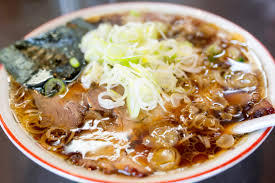
In Japan, there are various types of ramen depending on the region and heaps shops are making it better and better to be able to survive in the competition.
*Just a reminder all the photos are not belong to the author, from google image, second use allowed photos
Types of Ramen
醤油 (Shouyu)
_2.jpg)
Soy sauce base, it is the basic menu in most ramen shop. Shoyu ramen was the first ramen made in Japan. about 100years ago, one shop from Asakusa in Tokyo served Shoyu Ramen.
塩 (Shio)
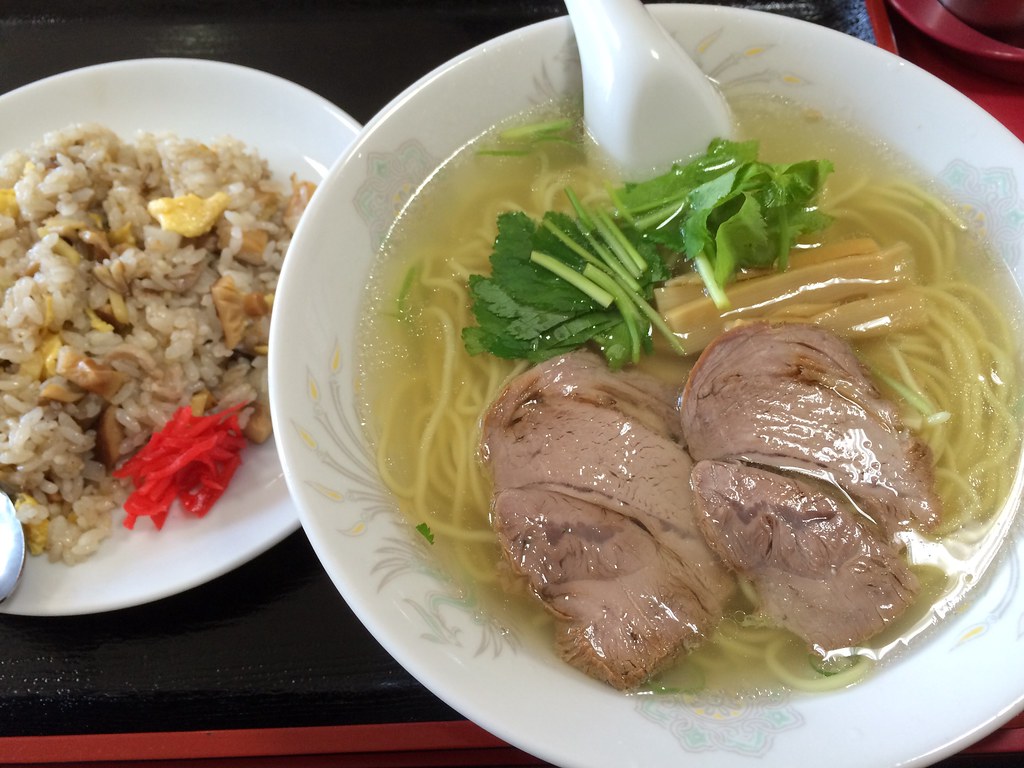
Salt base, generally have the clear color soup. Shio ramen has the light taste and less insistent than other types.
味噌 (Miso)
.jpg)
Japanese bean paste base, has rich taste. Using the same bean paste as Miso soup but it has stronger taste. Famous miso ramen is from Sapporo in Hokkaido, eating with corns and butter on the top.
豚骨 (Tonkotsu)
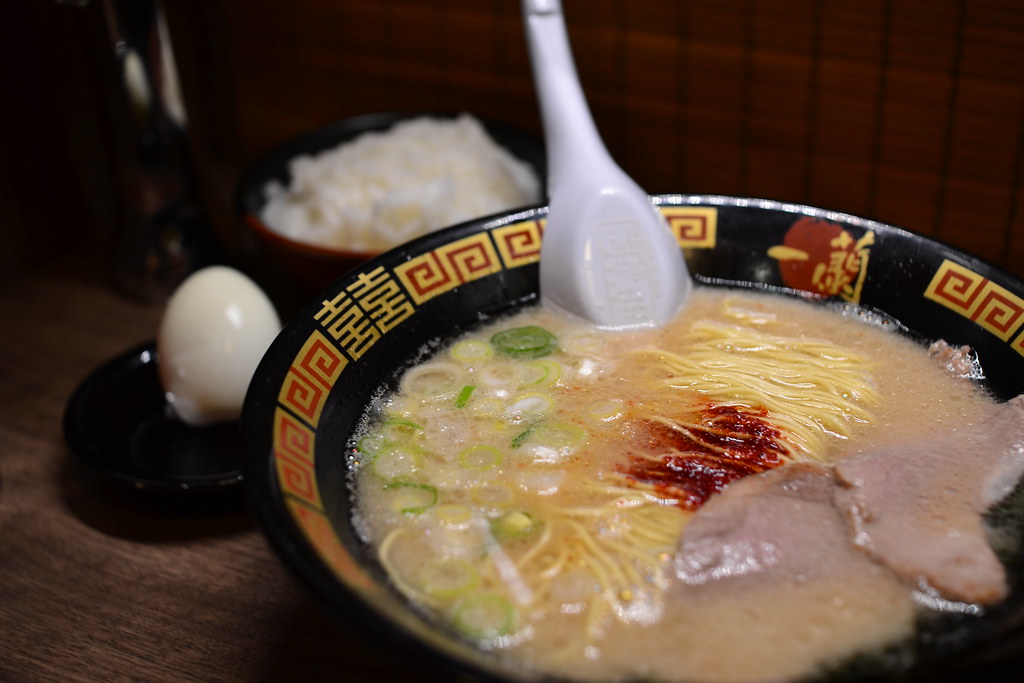
Pork bone base, boiling the pork bone for long hours and make the color of the soup into clouded. It has strong smell and rich taste. generally use the thinner noodle. Famous Tonkotsu ramen is from Kyushu island.
鶏白湯 (Toripaotan)
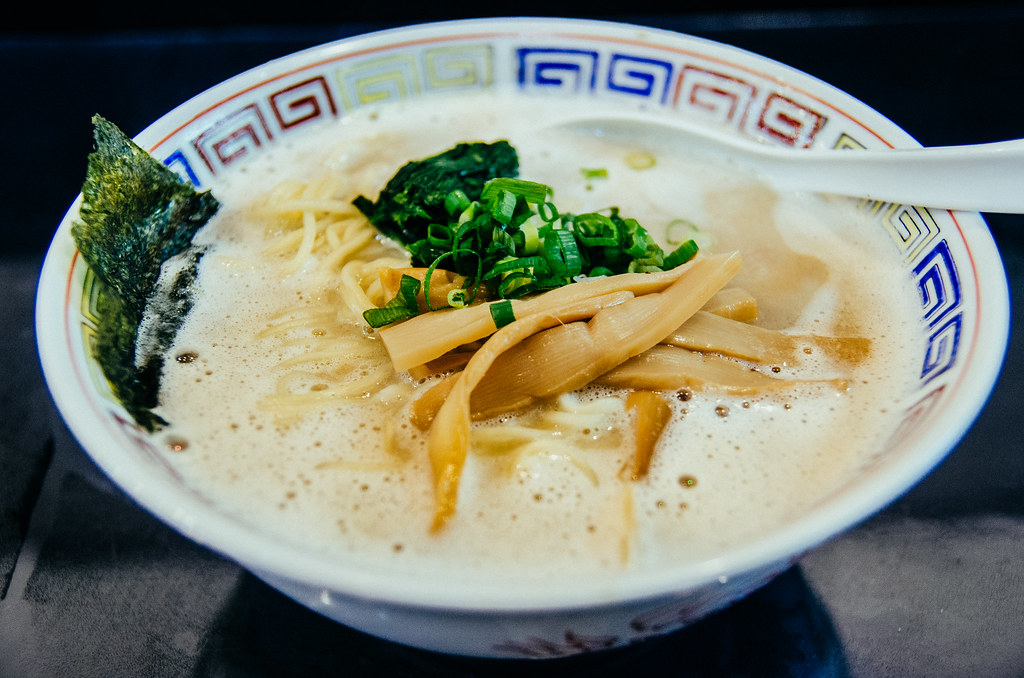
Chicken base, boiling the chicken for hours, and make the soup clouded color. Does not have the strong smell like Tonkotsu.Looks similar to Tonkotsu but completely different taste.
つけ麺 (Tsukemen)
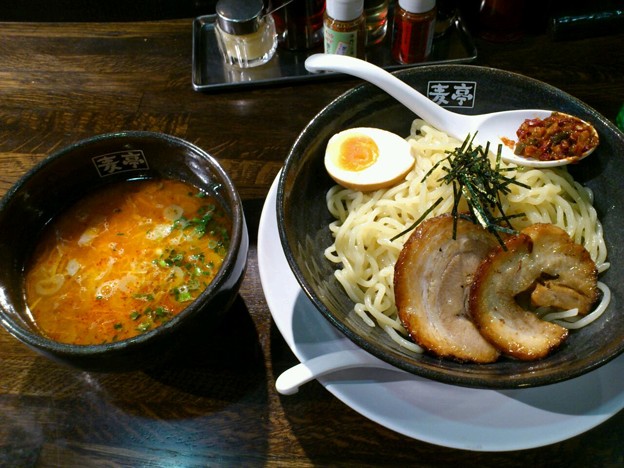
The noodle and soup are separated. Dip the noodle to the soup to eat. Normally the noodles are cooled down with ice before serving. Soup has stronger taste than the other normal ramen.
油そば (Aburasoba)
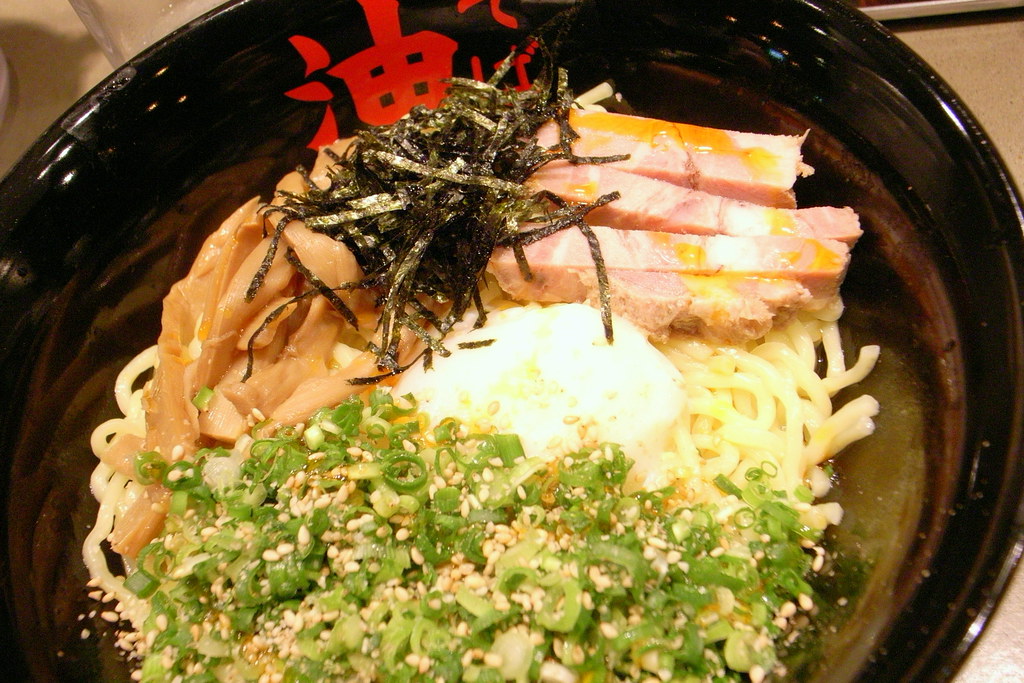
Ramen without soup, can be called as 汁なしそば Shirunashi Soba or 混ぜそば Mazesoba. Eating with little amount of sauce, have to mix well. Even the name is with Abura =Oil, its calorie is smaller than the other ramen so it is healthier.
Main ingredients in Ramen
-味玉 (Ajitama)
seasoned egg, strong taste of sauce. Normally with medium rare egg york
– チャーシュー (Cha-Shu-)
roasted pork
-のり (Nori)
Dried seaweed
-ネギ (Negi)
spring onion
-メンマ (Menma)
seasoned bamboo shoots
-替え玉 (Kaedama)
Another bowl of noodle, when you want to eat more noodle you can order it. Some shops provide free Kaedama
How to – Ramen
When you go to the ramen shops, you might encounter the question – how to buy ramen in this shop.
There are generally 2 types of Ramen shops where either you buy ramen on the table (the waiter / waitress takes order) or from vending machine. The second type vending machine, you put money in the machine and choose the ramen you want. Then the paper with the name of ramen comes out so take that ticket to the waiter / waitress or some case chef to get your ramen.
For eating manner, Japanese eat ramen with sipping the noodle – making noise. By doing this, it is believed that you can enjoy the smell of ramen more and can make the noodle and soup intertwine well when you eat. To make sounds, the tip is to inhale the air as well when you eat the noodle. But it is pretty hard to do it, even many Japanese cannot do it as well, so don’t worry! Just enjoy the taste of ramen:)
 Little Japan Dictionary
Ramen!
So these devil spicy noodles were originated from japan.
I hate it not because it is tasty.
But because it is so expensive in Nepal.
Your almost one month of saving is wasted for one bowl of hot soup which is tastier for a couple of moments and gives unbearable ache after taste happiness.
LikeLike
Is “Itadakimasu” a phrase before eating? I google and found out it is a way to express your understanding of how much was sacrificed to make the meal possible as well as to express appreciation for Mother Nature.
That’s great you know. In Nepal, we also chant long spiritual prayer before eating any food and after praying the normal food becomes prasadam प्रसाद (sacred food). Which shouldn’t be wasted anyhow? My mom beliefs after prayer even the poison turns out into sacred food
LikeLike