[Kyoto / Osaka] 3 Vegan Restaurants you should visit if you are a vegan

31st July – 文月

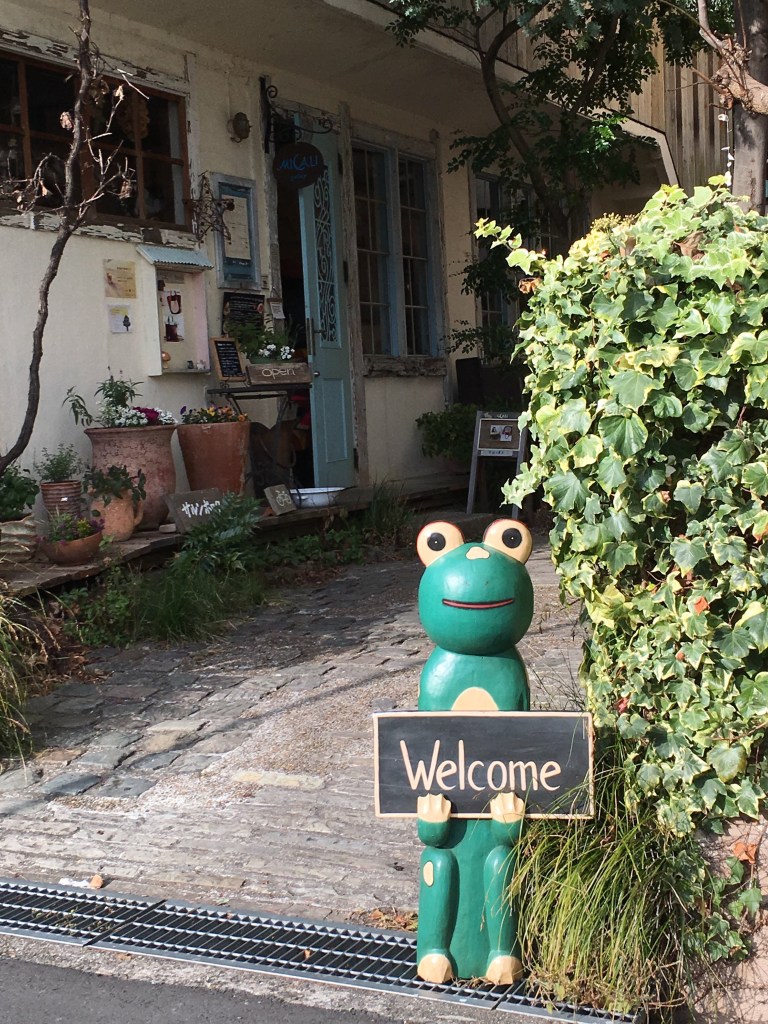
サルンポワク outside

In Japan, vegan / vegetarian population is smaller than the other countries, so it can be an issue for travelers coming to Japan where they can have a plant-base meal. Still not many but there are restaurants where offer only vegan food or shops where vegan options are available. In my opinion, there are more vegan shops in Kyoto than Tokyo, maybe tourists stop in Kyoto longer as there are heaps historical sightseeing places to visit.

Here are my recommendations for you if you visit Kyoto / Osaka in the near future!

CHOICE

https://hs-choice.com/

〒605-0009 Kyoto, Higashiyama Ward, 大橋町89−1 鈴木形成外科ビル 1F
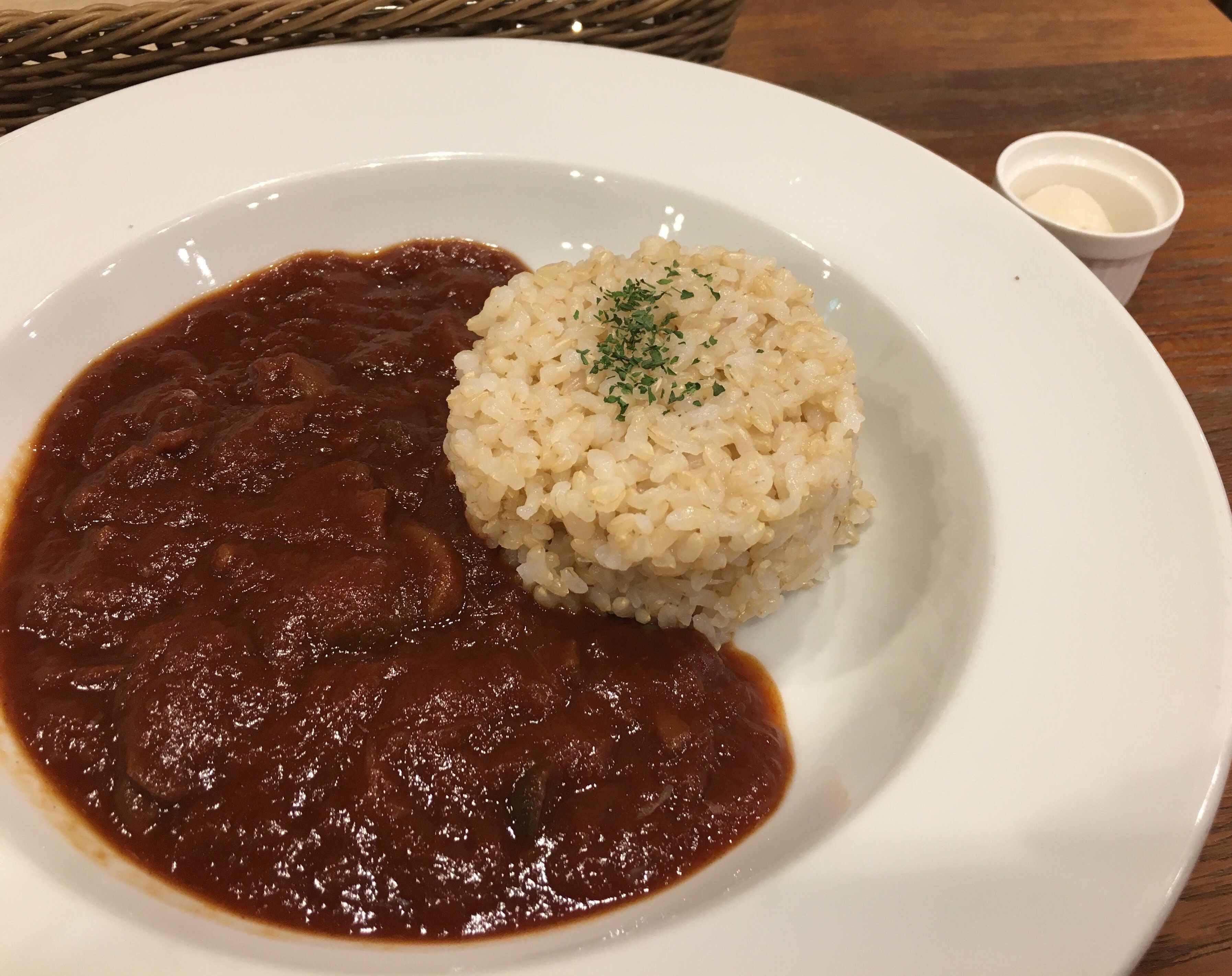
CHOICE offers organic, plant-based food with the slogan ‘Healthy meal = tasty’. Wide range of menu are available here including drooling tasty sweets. It is located near from Sanjo station so you will not get lost on the way.

mumokuteki

https://mumokuteki.com/cafe

〒604-8061 Kyoto, Nakagyo Ward, Shikibucho, 261 ヒューマンフォーラム本社ビル 2F
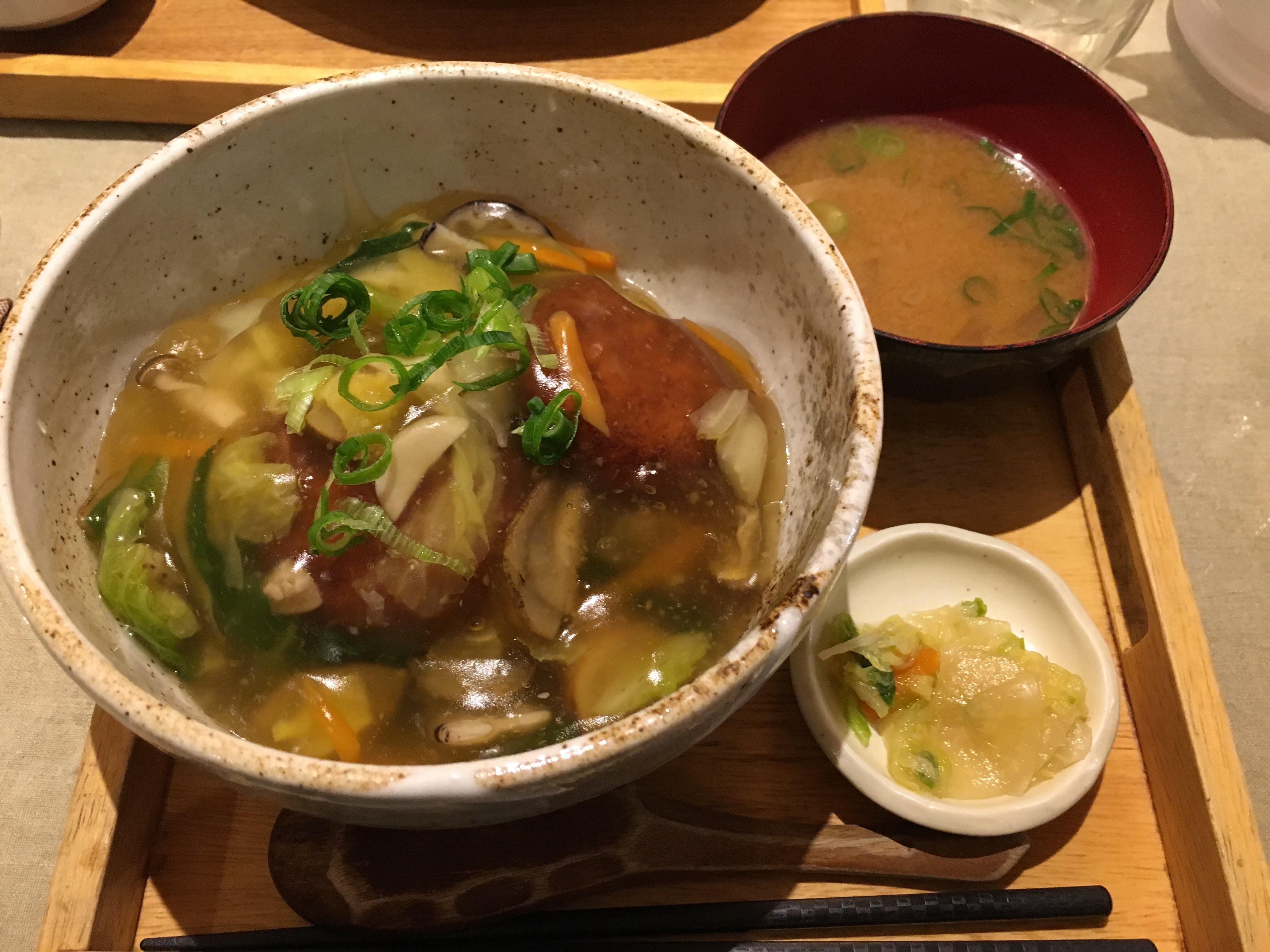
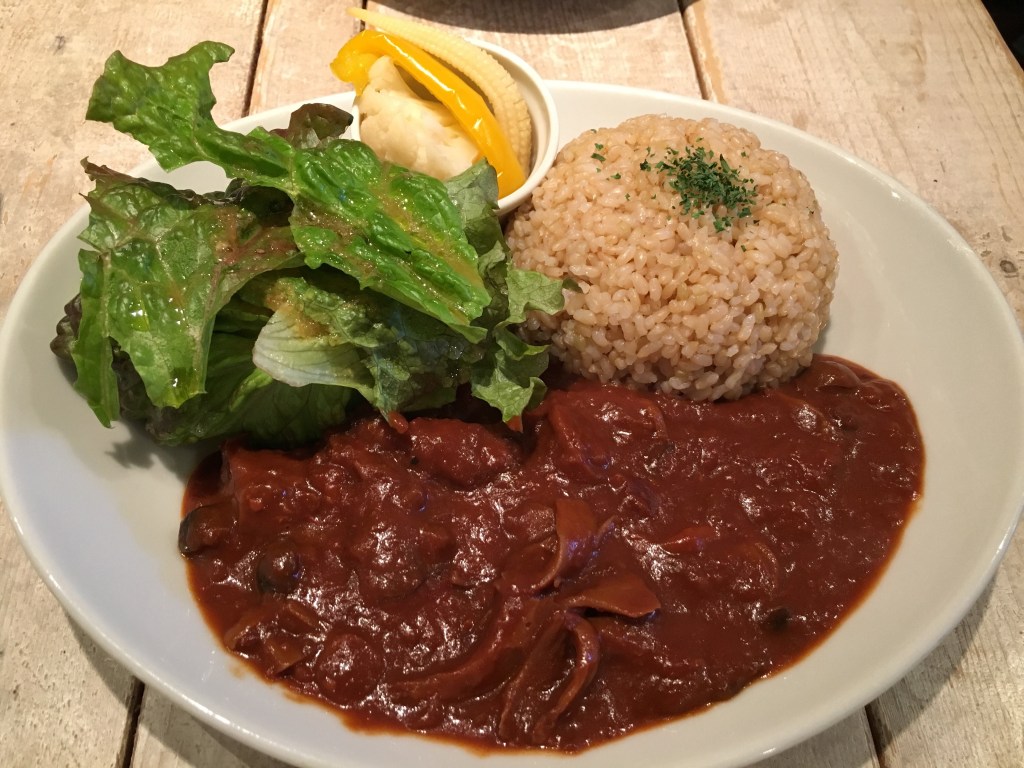
For me mumokuteki was the best of all vegan shops I visited in Kansai area, they provide Japanese style meals which taste brilliantly good. They have variety of set menu and plate menu therefore you can have nicely balanced nutrition by just ordering one menu. By just checking their menu on their website made my stomach rumble!
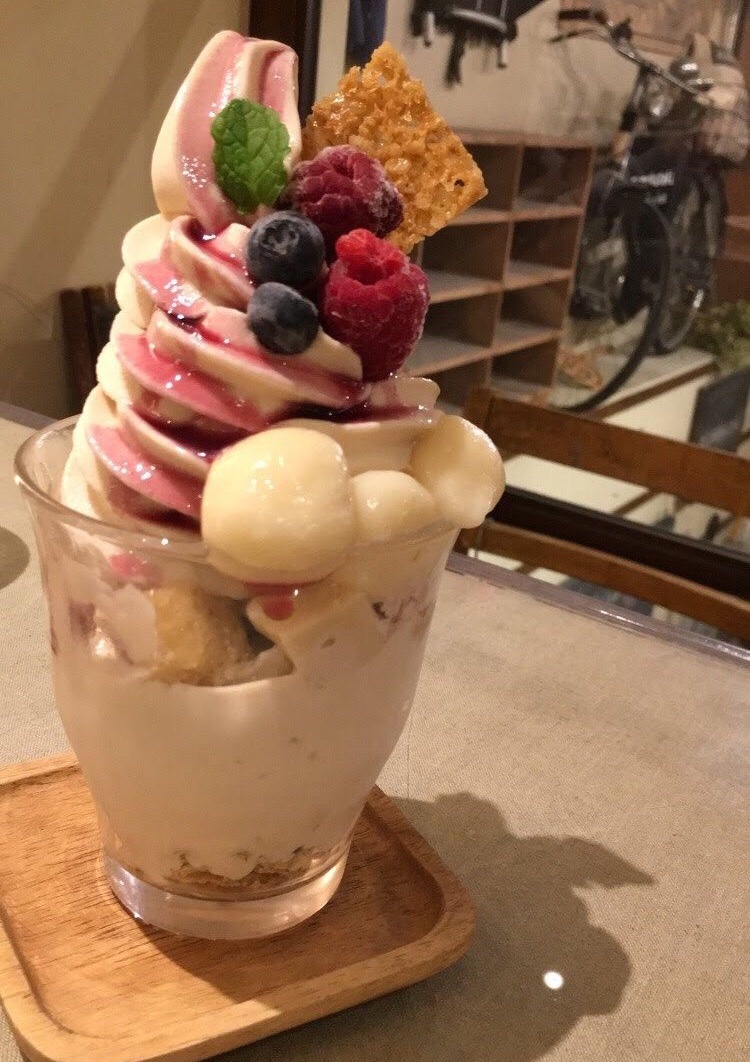
Seasonal parfait at mumokuteki

サルンポワク

https://ja-jp.facebook.com/salunpowaku/

6 Chome-2-18 Minoo, Osaka 562-0001
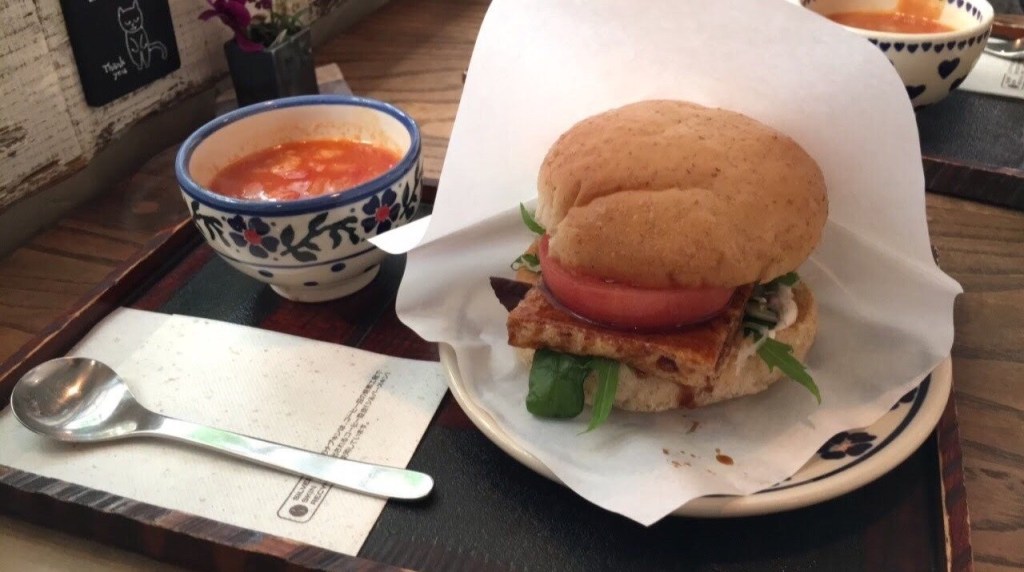
Salunpowaku is located in Osaka, it is fashionable cute house. All menu are vegan and not using white sugar considering health. Bread are homemade, plus ingredients are carefully selected. Second floor have little atelier, you can have a look if you have time!

Closing day can be vary so it is better to check their social media before going there.

It is fun to discover the new tastes even you are not vegan. I was very surprised to try those just like normal un-vegan food, or even have better taste ones. Also I should mention that one shop (not listed here) I visited had a great reviews on the internet but had shocking meal provided to my friend (and bad customer service)… so make sure to choose the nice ones like the above shops I listed!
[Tokyo] 3 Restaurants you should visit if you are a vegan

30th July – 文月

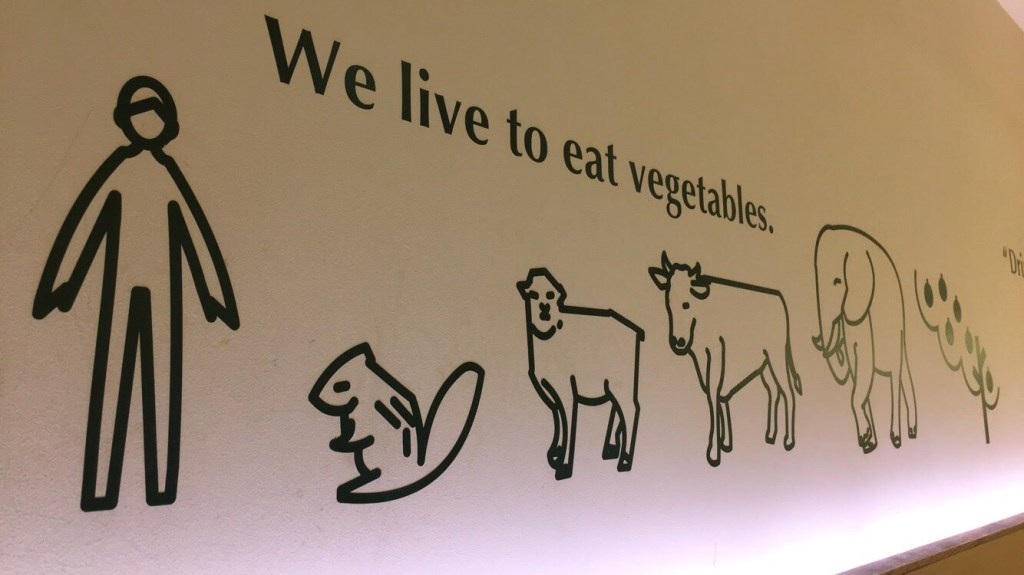
T’s たんたん wall

The population Vegetarian and Vegan in Japan is still small, so it can be a big problem for overseas vegan travelers where to have meal at. Even though Veganism is not so familiar in Japan yet, there are restaurants where take the world trend and provide very good quality vegan food in the metropolis. Here are my recommendations where to go for a tasty Vegan food in Tokyo.

T’s たんたん (T’s Tan Tan)

http://ts-restaurant.jp/tantan/

〒100-0005 Tokyo, Chiyoda City, Marunouchi, 1 Chome−9−1 改札内)KeiyoStreet内 1階 JR Tokyo Station

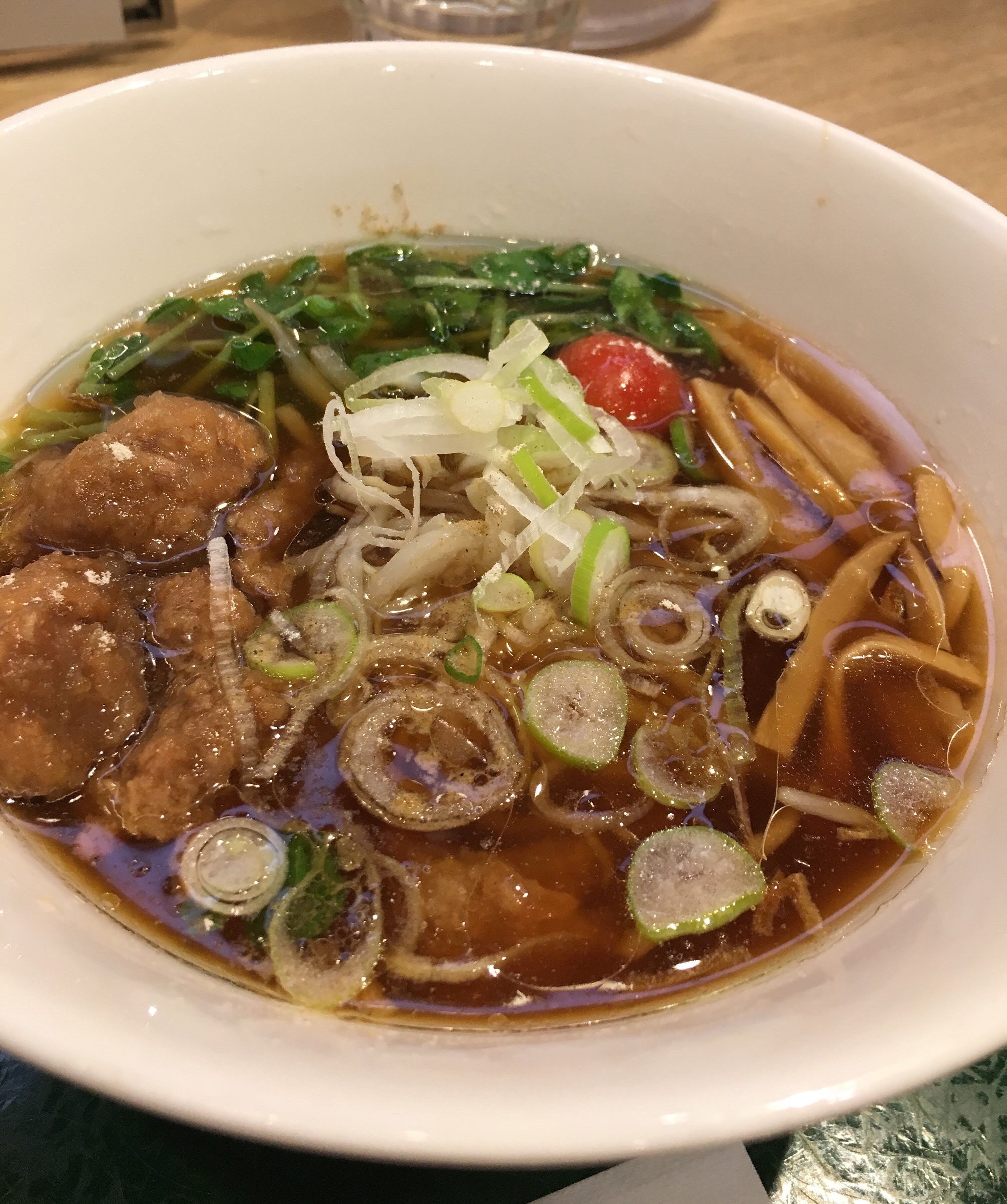
T’s たんたん is the ramen shop only using no plant base ingredients. Famous for real meat looking / tasting soy meat. There also provide Japanese familiar dishes such as Japanese curry, Karaage, Gyoza dumplings, of course from plant based food.

Even for me as a non-vegan, the soy meat was tasted just like real Karaage, therefore even your friend is not vegan, it is a right place to enjoy the meal together.

Various blanches are located near from public transport, available in Narita airport, Tokyo station etc.

地球を旅するカフェ – Today is my life! (Chikyu wo Tabisuru Cafe)
http://chikyu-tabi-cafe.com

2 Chome-12-5 Takadanobaba, Shinjuku City, Tokyo 169-0075

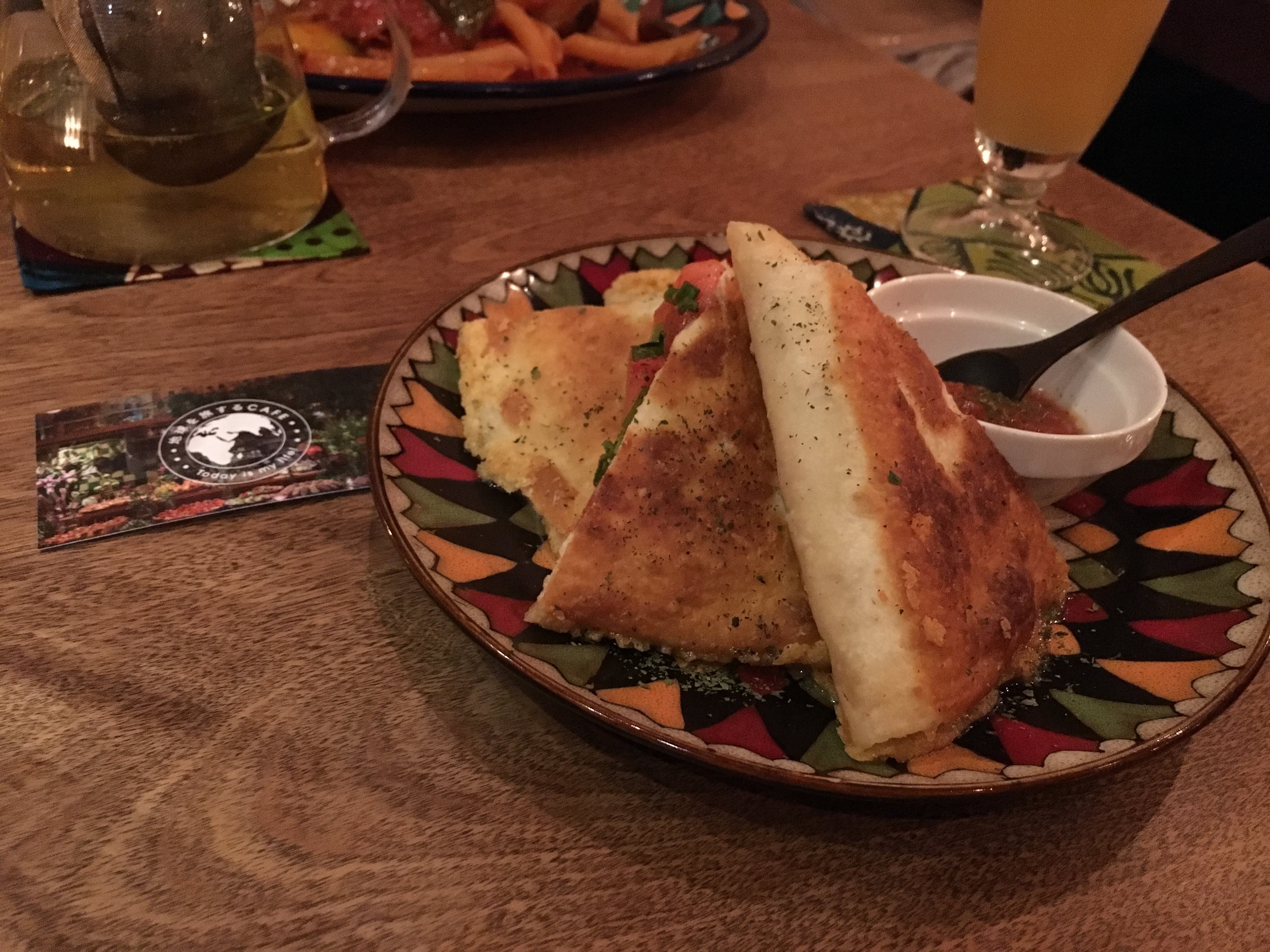
This cafe & dining offers variety of world cuisine using mostly organic food, vegetarian / vegan menu is available. Coffee is their speciality, importing fair-trade beans from small tribe in Thailand. Very cozy cafe and feels like traveling to other countries by just being in that atmosphere – Try the Mexican Quesadilla there, the No. 1 menu in this shop (Photo)!

The location is in Takadanobaba, about 2 minutes away from the station. It is a small shop so it might be a little bit hard to find, but worth visiting.

Ain Soph.

http://ain-soph.jp/

Ain Soph. Ripple

〒160-0021 Tokyo, Shinjuku City, Kabukicho, 2 Chome−46−8 新宿日章ビル 1F

Ain Soph. Journey

〒160-0022 Tokyo, Shinjuku City, Shinjuku, 3 Chome−8−9 新宿Qビル 1F

Probably this was the best vegan restaurant I have visited, Ain Soph. I went to 2 of the blanches, Ain soph. Ripple in Kabukicho (歌舞伎町) and Ain Soph. Journey in Shinjuku 3Chome (新宿三丁目).

Ripple specializes burgers, everything is vegan menu. The French fries with cheese sauce and burger I had tasted just like an actual cheese and meat, even craving to eat right now, very, tasty!

Journey has more luxurious type of menu, and they have heavenly fluffy pancakes! Yes of course all made from animal-free ingredient. Variety of sweets are available so no need to feel that dilemma of wanting to eat it but it’s not vegan…Here it won’t happen:)

Even right now we cannot travel, it is fun to plan ahead what we want to do when the world is safe again. Hopefully you can visit those restaurants when the time is right and enjoy the no-cruelty delicious food in Japan!

Next blog will be about vegan restaurants in Kyoto / Osaka, stay tuned;)

夏休み (Natsu Yasumi) – Summer vacation

29th July – 文月

From the end of July till early September, school kids have summer vacation in Japan. For most of adult who work at office, they also can get few days off in the middle of August. The common thing is that Japanese companies are mostly difficult to get continuous holidays, so this season is very precious in order to see the family members living separately. Many go for travel, many go back to hometown to see relatives and friends.

However, for the school kids, a number of schools cut the summer vacation shorter than usual due to the Covid-19 shock – Many schools had to shut during March to April.

Normally school kids struggle with holiday homeworks such as 自由研究 (Jiyuu Kenkyu = Research based on free theme), 読書感想文 (Dokusho Kansou Bun = Book report) and 朝顔観察日記 (Asagao Kansatsu Nikki = Observation recording of flower, morning glory). Some kids wait until the last day of holiday to start them, and despair why they did not do it before… Seems like this year this is not like usual, so probably they feel half happy, half sad?! Less homeworks but less vacay.

For the adult, most of them can take holiday around 15th August (some region can be around 15th July), as this period is the time when ancestors come back to earth from heaven, called お盆 (Obon).

In お盆, families welcome ancestors and treat them well to be able to send back to heaven again. On the first day of お盆, families burn fire in front of the house, called 迎え火(Mukae bi) to make a sign for ancestors to come to the house.

Families put white paper lantern without patterns in front of house door and Buddhist alter so that ancestors will not be lost on the way. During this period, family member come to the house and go to grave together to pray for the ancestors. At home, they prepare the Buddhist alter with decorations – offering snacks, seasonal fruits and vegetables, horse doll made of cucumber and cow doll made of egg plants. For the veggie dolls, the reason why horse and cow are chosen is, wishing ancestors to come smoothly by riding horse and to go back to heaven slowly by riding cow.

On the last day of お盆, burning fire in front of the house again, this one is called 送り火 (Okuri bi) to send ancestors back to heaven safely.

The continuous holidays taken in Japan most likely fall on the days for family traditional event – End of the year, New year and Obon. Hopefully this year, no virus are transfered to the regional areas from the Covid-19 affected area. Wising this pandemic finishes as soon as possible so all can finally enjoy traveling!

日本語と韓国語 (Nihongo to Kankokugo) – Japanese and Korean

28th July – 文月

Nearly 2 months has passed since I started studying Korean. For native Japanese speaker, it seems easier to study Korean rather than English or other languages, as Japanese and Korean have the same grammar and there are many words that have similar pronunciation with same meanings.

Here are just a few evidences that I can think of right now:

English – Japanese – Korean

Continue – 継続 (Keizoku) → 계속 (gyesog)

Preparation – 準備 (Junbi) → 준비 (Junbi)

Promise – 約束 (Yakusoku) →약속 (yagsog)

Time – 時間 (Jikan) →시간 (Sigan)

Satisfied – 満足 (Manzoku) →만족 (manjog)

Highway – 高速道路 (Kousoku Douro) → 고속도로 (gosogdolo)

Don’t they sound similar? Of course all words have the same meanings in both languages.

What I would like to say here is, if you study Japanese right now, you may be able to learn Korean at the same time easily too, especially vocabulary. Moreover, Korean has one type of character so no need to study 3 different characters like Japanese.

For me it is very hard to study Chinese even though there are many Chinese characters that Japanese also use – this is because Chinese have different grammar with Japanese and especially the pronunciation of the words are very complicated. It might be understandable to see the written sentences (if there are same Chinese characters we use), however listening Chinese needs a lot practice.

Someday, hopefully I can master Chinese and other languages as well, as my dream is to become a polyglot:) First of all, I will just keep studying Korean so that I can watch my favorite Korean drama without subtitles!

日本の怪談: 呪い (Nihon no Kaidan: Noroi) – Japanese scary story: Curse

27th July – 文月

Do you know how to make this hot summer shivering cold?

…Yes, talking about 怪談 (kaidan = scary story ) can somewhat help you feel chilly!

Today’s theme is about Japanese curse, 呪い (Noroi = curse).

Probably the most famous way of cursing somebody in Japan is called 丑の刻参り (Ushi no Koku Mairi). If this curse is successful, the person who are cursed is believed to have terrible bad lucks or in the worse case, die from it.

丑の刻 (Ushi no koku) (Also known as 丑三つ時 – Ushi Mitsu Doki) means the time between 1:00am to 3:00am, this time period is considered as the time when demons and dead people come out, therefore people are afraid of ghosts during that time. お参り (Omairi) stands for visiting shrines and temples.

丑の刻参り is to visit shrines / temples at 丑の刻 and hit long spike to a straw doll toward a sacred tree or Torii gate with hammer – for 7days.

I hope my blog readers will not conduct 丑の刻参り, but in case if you are curious how to do it, here are more information!

藁人形 (Wara Ningyou)

藁人形 is a doll made of straws. this doll is a substitute of the person who are cursed (Peson B). The person who conduct 丑の刻参り(Person A) put Person B’s photo, hair or paper with B’s name on this doll. 藁人形 has very simple shape, just have head, hands, stomach and feet.

By hitting 五寸釘 (Gosun Kugi = long spike) to 藁人形, Person A curse Person B. Some says depending on the spot where the spike is stubbed, damage on Person B can be vary.

Head: causing accident, incident or disaster

Chest: death

Hand or feet: cure habit of cheating

Preparation

Person A has to prepare a lot for conducting this curse, as this curse is very strong and it has to be continuously done for 7 days. (Those who does must have very strong resentment to do so… plus breaking possession of shrine or temple is a crime, so it is risky curse)

Firstly, Person A look for the shrine or temples where not many people would visit at late night. Then prepare following items:

-藁人形

-五寸釘

-白装束 (Shiro shouzoku): entirely white gown with white belt

-wooden clogs with one blade

-white headband with 3 candles

-hammer

-懐刀 (Futokoro Gatana): short sword

-small round comb

-round mirror

For ladies, put special makeups (white powder, tooth blackening, deep red lipstick). Wearing those costumes and hanging round mirror on the neck, holding comb on mouth and hide 懐刀 on the waist, then going to the shrine or temples at 丑の刻. Then hitting 藁人形 with a grudge.

Most importantly, this process must not be seen by any other people for 7days – otherwise, the curse will come back to Person A unless Person A kills the witness who saw the conduct…mmm very risky!

Actually, there are many different witnesses who saw 藁人形 in several forests in Japan, means there are people who have very strong grudge toward others. Well, I hope there are no photo of me on one of those 藁人形…!!!

夏の麺料理 (Natsu no Men Ryouri) – Noodles for summer

26th July – 文月

In hot humid summer, we crave for cold food. Especially cold noodles are the best when we don’t have much appetite!

素麺 (Soumen)

素麺(soumen) is made from wheat, and it is less thicker than 1.3mm. Same ingredient but if it is more than 1.3mm but less than 1.7mm is called 冷麦(hiyamugi). Thicker than 1.7mm is the famous noodle, うどん (Udon).

素麺 is available in all season, however summer is the time when many people enjoy the cold 素麺. 素麺 is very easy to cook, as most likely it takes about one minutes to boil. Then put them in the water to make it cold, and it’s ready to eat. Dip in the めんつゆ (Mentsuyu – Japanese salty-sweet noodle base) and eat with veggies and meat, it’s perfect lunch for the hot summer time.

Especially in summer weekends, family might try 流しそうめん (Nagashi soumen) – pour water on the half-cut bamboo to shed soumen noodle and catch the running noodle by chopsticks. Locating a bucket at the end of bamboo is a wise idea not to waste 素麺 that people couldn’t catch.

In order to do 流しそうめん, there is a need to prepare for the bamboo, moreover have to break it into half. Therefore, nowadays fake half cut bamboo (plastic) is available in DIY stores just for 流しそうめん use.

冷やし中華

Another summer popular noodle can be 冷やし中華 (Hiyashi Chuka) – cold noodle with soy sauce or sesame base sauce. On the top of Chinese noodle, decorating with colorful ingredients such as veggies, ham and thin strips of egg omelette – the shape tend to imitate like Mt. Fuji.

Even the name has 中華 (Chuka = Chinese), 冷やし中華 was invented in Japan. It was inspired from Chinese noodle called 涼拌麺 (Ryan Pan Men) and mixed the style with Japanese noodle ざるそば(Zaru soba). In summer, many restaurants offer 冷やし中華 and it becomes very popular menu.

素麺 and 冷やし中華 reminds Japanese of summer, what is popular summer food in your country ?

調味料マジック (Choumiryou Magic) – seasoning Magic

25th July – 文月

It seems like many Japanese are curious about creating new things from existing materials – mostly every week on Twitter, creative cuisine recipes are on trend in Japan, using familiar ingredients at home.

Somebody discovered that adding yoghurt to tofu will taste like Cheesecake. Moreover, another invented vanilla ice cream with french fries are great combination.

Even just adding seasonings to specific food, it can become better tastes or different types of food.

For instance, it is very common to add salt to the watermelon in order to emphasize the sweetness.

Here are some more weird combination but many Japanese accept them as tasty (*not everyone likes it though…) :

-chocolate × potato chips … sweet and salty perfect match

-vanilla ice cream × soy sauce … sweetness of vanilla ice cream stands out

-mandarin × soy sauce … become like salmon roe sushi

-pudding × soy sauce … taste like sea urchin sushi

-Natto × ketchup or tomato … supress strong smell of natto

-Natto × butter …add the mild taste

Still many people try to find new creative recipes that nobody would ever thought it would taste good.

Do you have any recipes that transfer the tastes completely different?:)

難しい日本語 (Muzukashii Nihongo) – Difficult Japanese

24th July – 文月

Learning 日本語 (Nihongo = Japanese) can be very difficult, as there are words that cannot be easily translated into 英語 (Eigo = English). Just like other languages, some words can be slightly different to the translated words in other languages, therefore those words are hard to use correctly for non-natives.

侘び寂び (Wabi sabi)

Especially in Japanese, 侘び寂び (Wabi sabi) is often mentioned as untranslatable word. This one word has very broad meaning in it. Here is my explanation of 侘び寂び:

侘び寂び is Japanese philosophical idea that has not defined but existed from old time. Briefly, it means simplicity, quiet, imperfect in a good way.

侘び: richness in one’s spirit that is not being pessimistic in a bad situation, and even enjoy the circumstances. Accepting unavoidable things as it is and see the beauty in it.

寂び: feeling aesthetic in the old, quiet, wither and imperfect things. Imperfection can increase creativity therefore do not seek for the perfection.

侘び is about inside, 寂び is about outside beauty.

侘び寂び is often used to explain the beauty of nature, thinking of old wither nature objects that long time has gone by, as beautiful. For instance, Autumn leaves, when the maple leaves fell down on the ground and are becoming brown, this is considered as 侘び寂び. Another example can be moss, moss takes long time to grow. Fresh green look with old and quiet appearance makes us feel 侘び寂び.

I hope now you kind of get what 侘び寂び means. It has very wide meaning inside the one word. In addition, following words also explains subtle human feeling in one word:

渋い (Shibui)

The actual meaning is the feeling when eating sour persimmon, your tongue gets numb. Derived from this, Shibui is recognized as the symbol of maturity, calm and not gaudy. (Sometimes used for dissatisfied face). Used for the things that are plain and sober, but it has deep and rich taste in it. The color gray and dark brown represent 渋い, so wearing clothes with those color, you have 渋いtaste!

切ない (Setsunai)

People might explain this word as ‘Sad’, however, it has wider meaning. It is the feeling of sadness and grief which tightening one’s chest. Painful, disconsolate and do not know what to do. You feel 切ない when you are rejected by the first love, or when you are left behind for the family trip to Hokkaido…

I hope you somewhat get what those difficult Japanese means and be able to use them in your real life!

海の日 (Umi no hi) – Ocean day

23rd July – 文月

Today is a public holiday called ‘海の日 (Umi no hi)’, meaning Ocean day. Normally this holiday falls on the third Monday of July (13th July this year) but it was moved to today due to the Tokyo Olympic game which were supposed to be held from tomorrow.

This holiday is for thanking the benefit from the ocean and wishing the further prosperity for Japan as a maritime nation.

This public holiday was established in 1996, and it was on 20th of July.

In 1876, Meiji Emperor visited Tohoku (Northern Japan) for a holiday. He used steamship for this trip and came back to Yokohama harbour on 20th July. This day was the first time to be able to ensure the safety of shipping. Moreover, from that day, traveling by ships and ship transportation have become popular. Therefore, 20th July was chosen for the 海の日 at first in 1996.

7years later, government decided to change the date of this holiday to the third Monday of July from 2003. This is because of ハッピーマンデー制度 (Happy Monday Seido), in order to activate tourism and economy, government changes Monday to a national holiday, so public can have continuous holiday (Saturday to Monday), which can accelerate people to go for inland traveling.

Not many Japanese know why this holiday is called 海の日 – Now that you know, let’s thank the marine lives and celebrate this day together:)

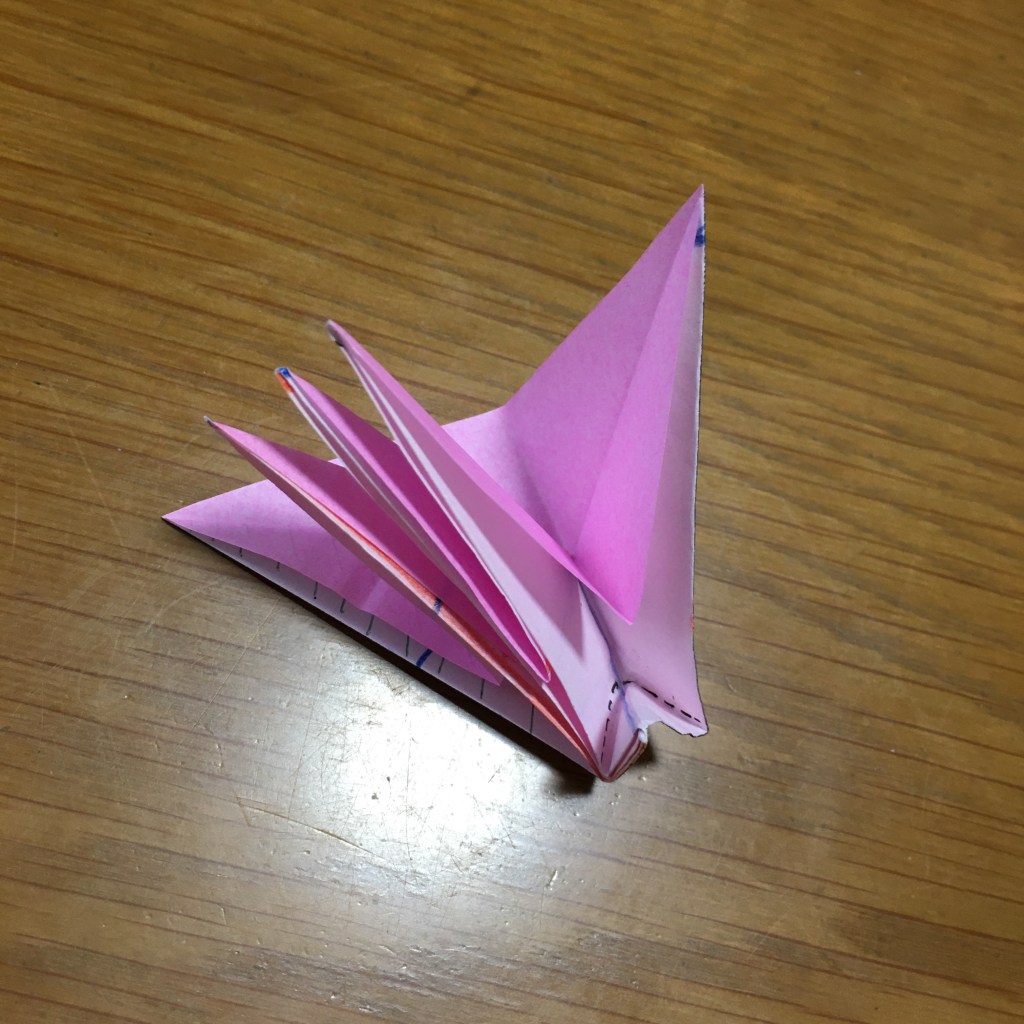
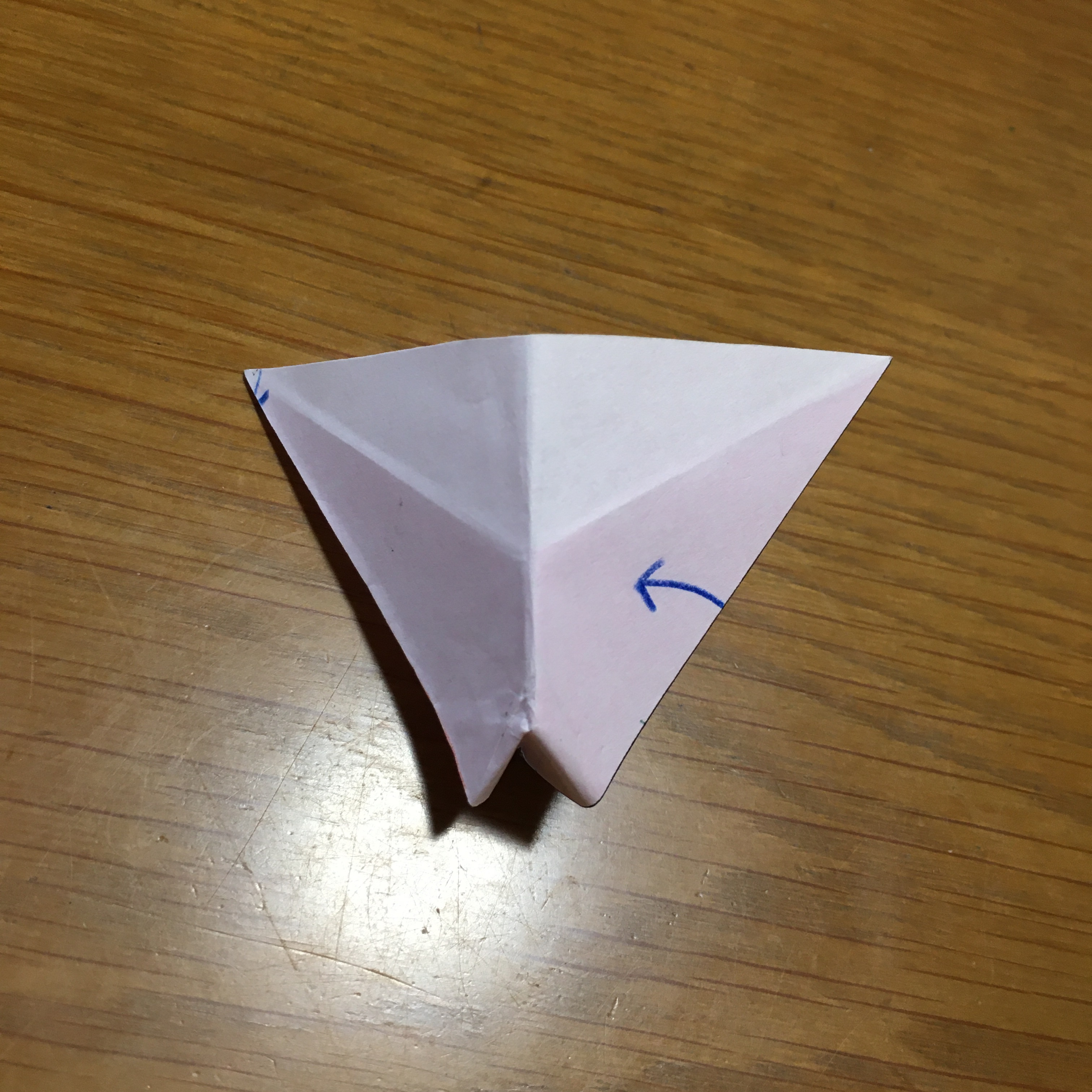
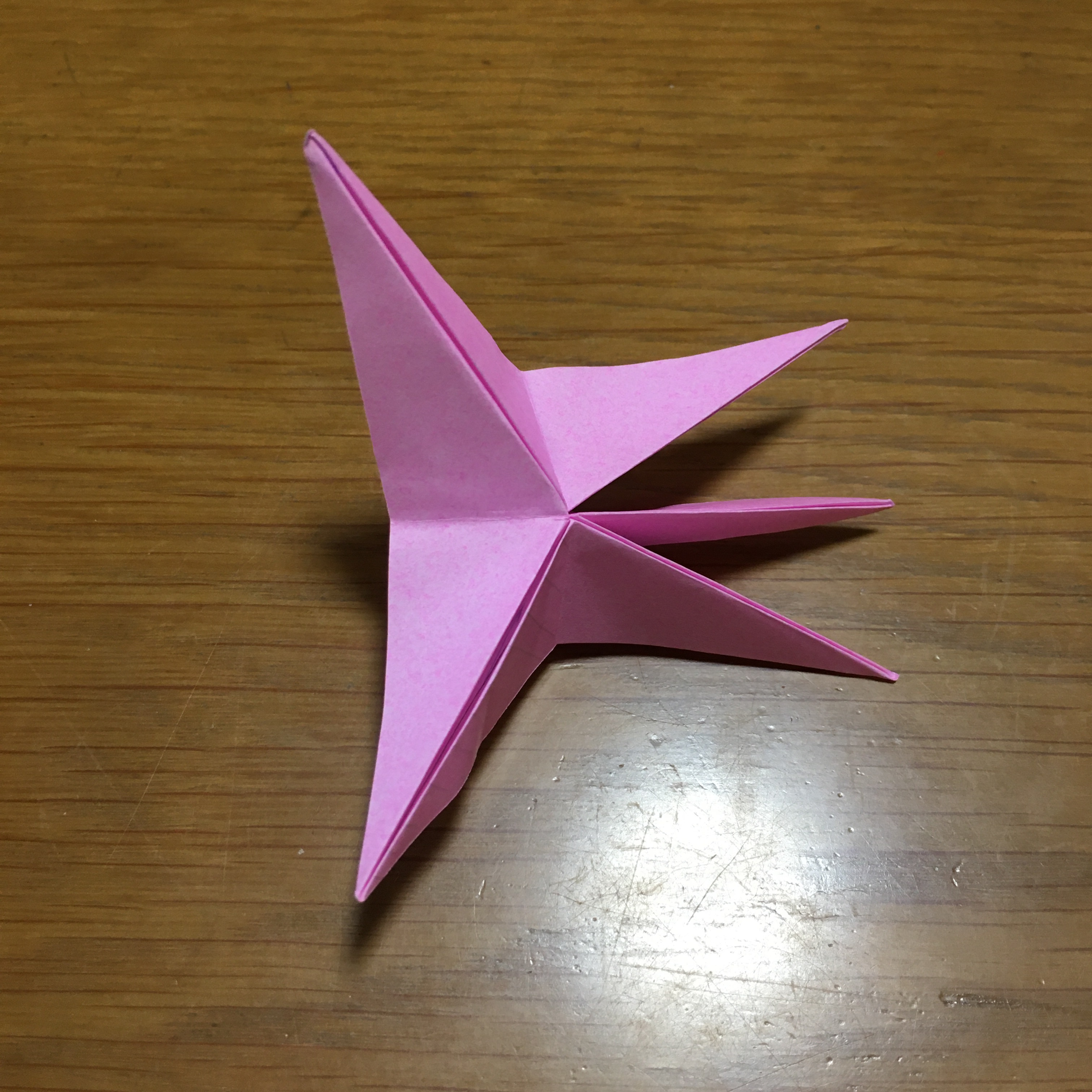
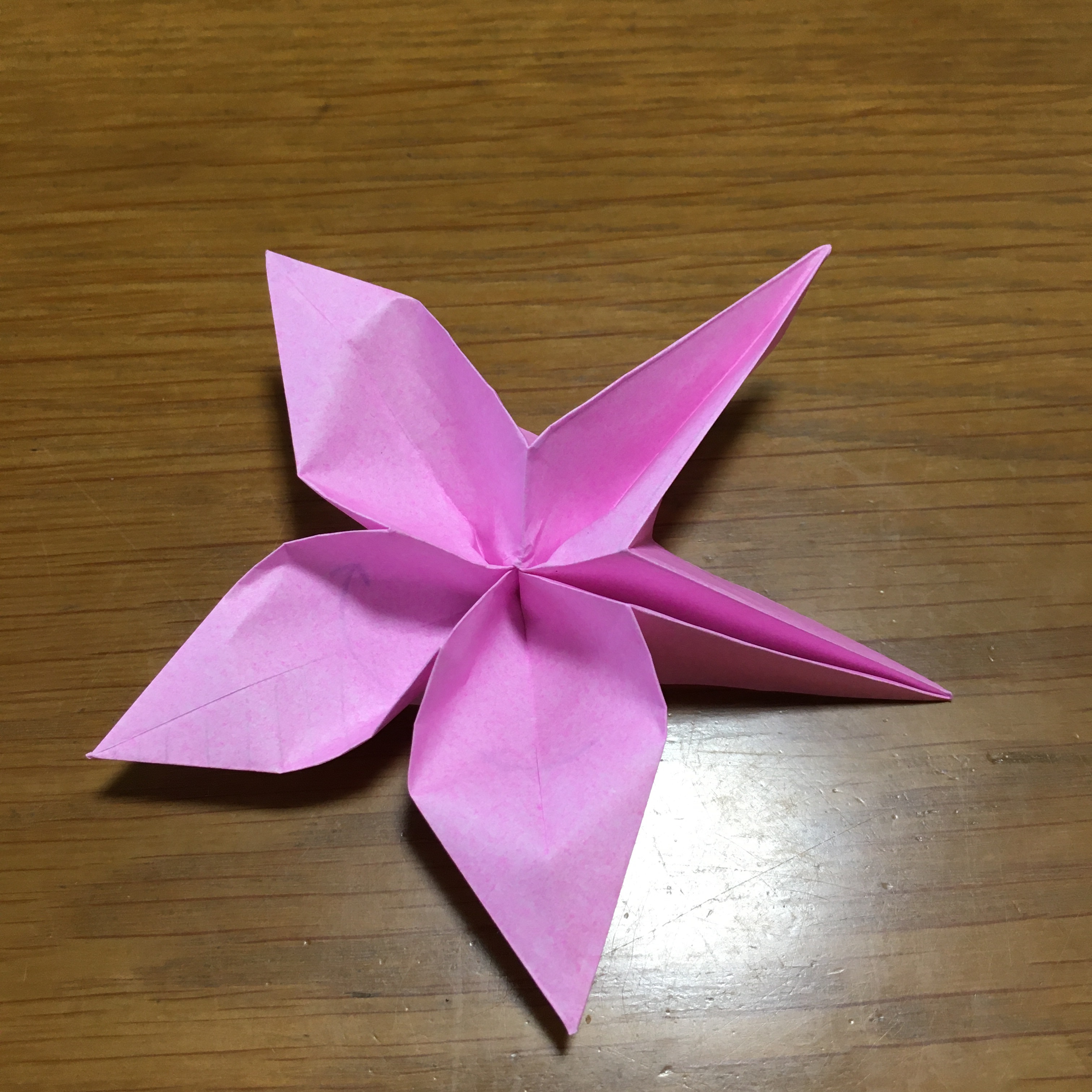
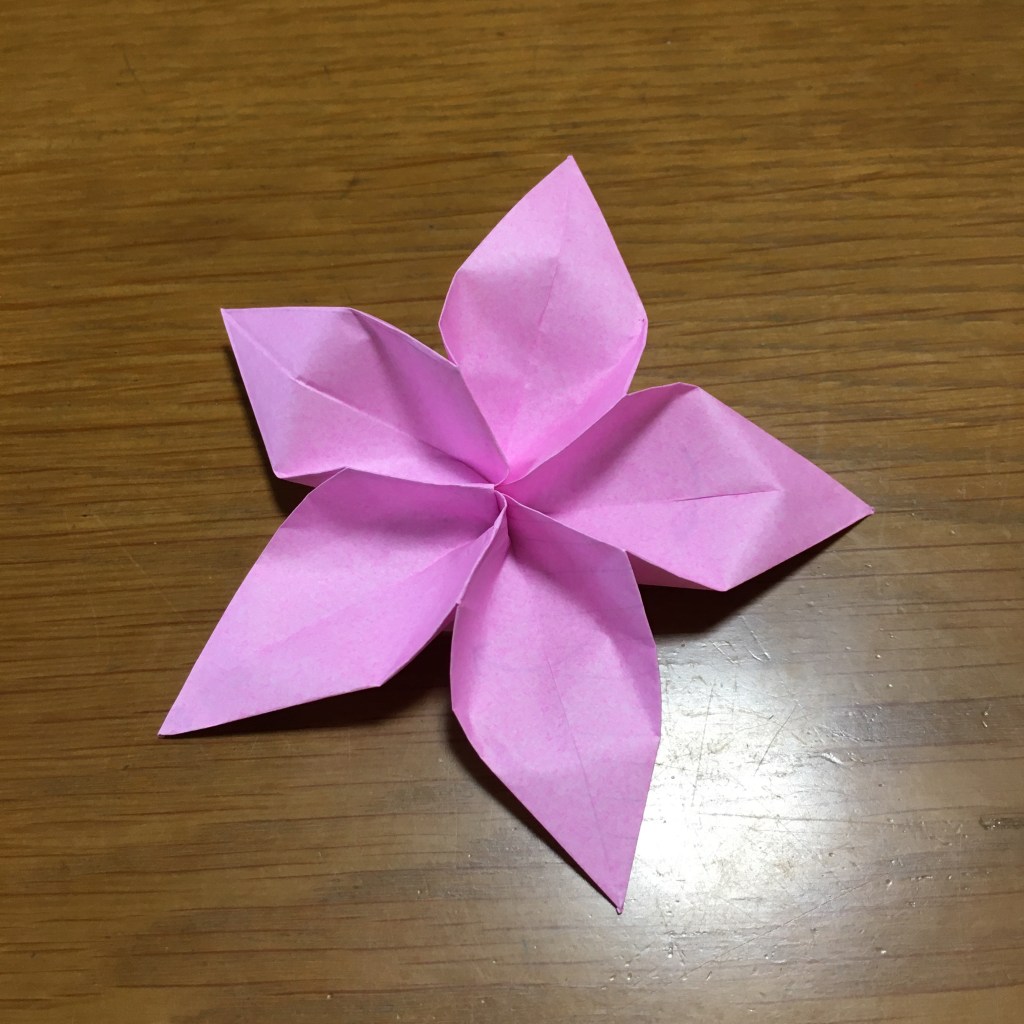
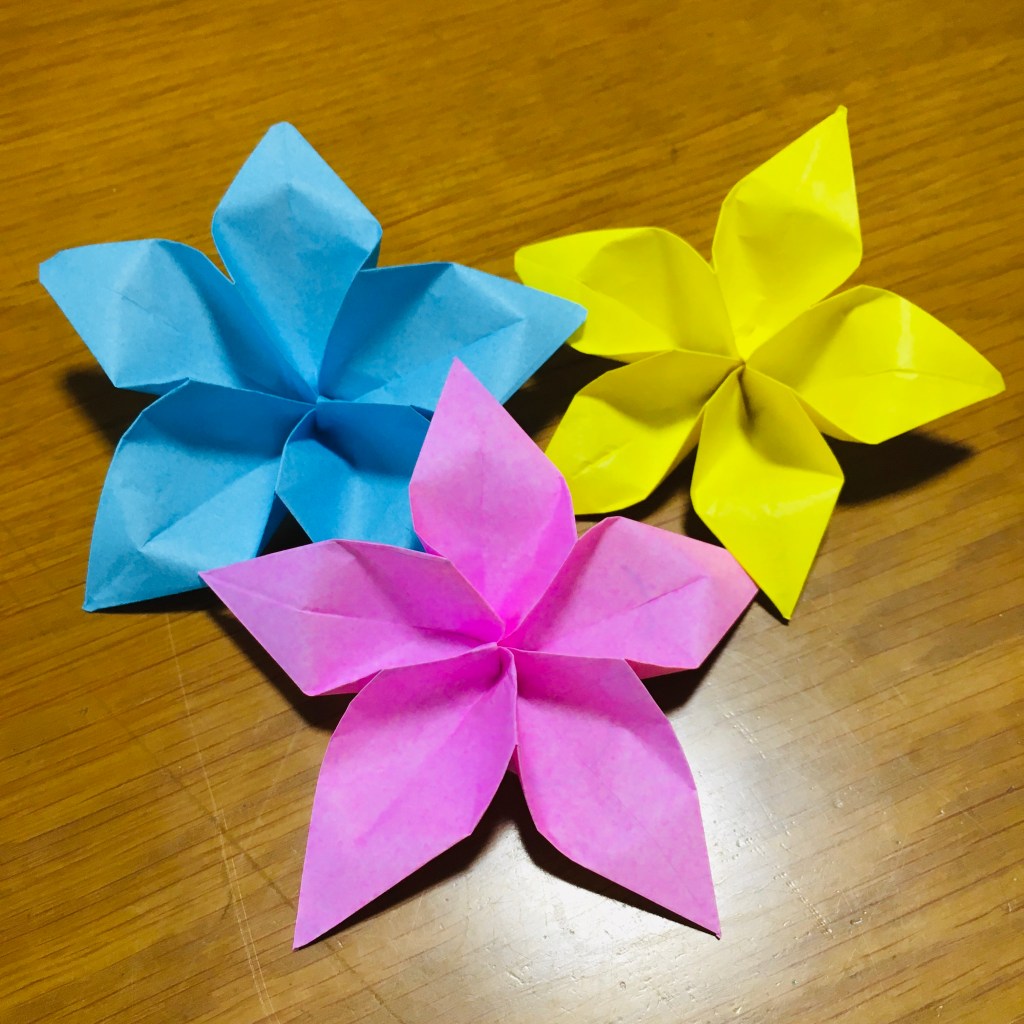
折り紙: 南国の花の作り方 -How to make tropical flower

22nd July – 文月

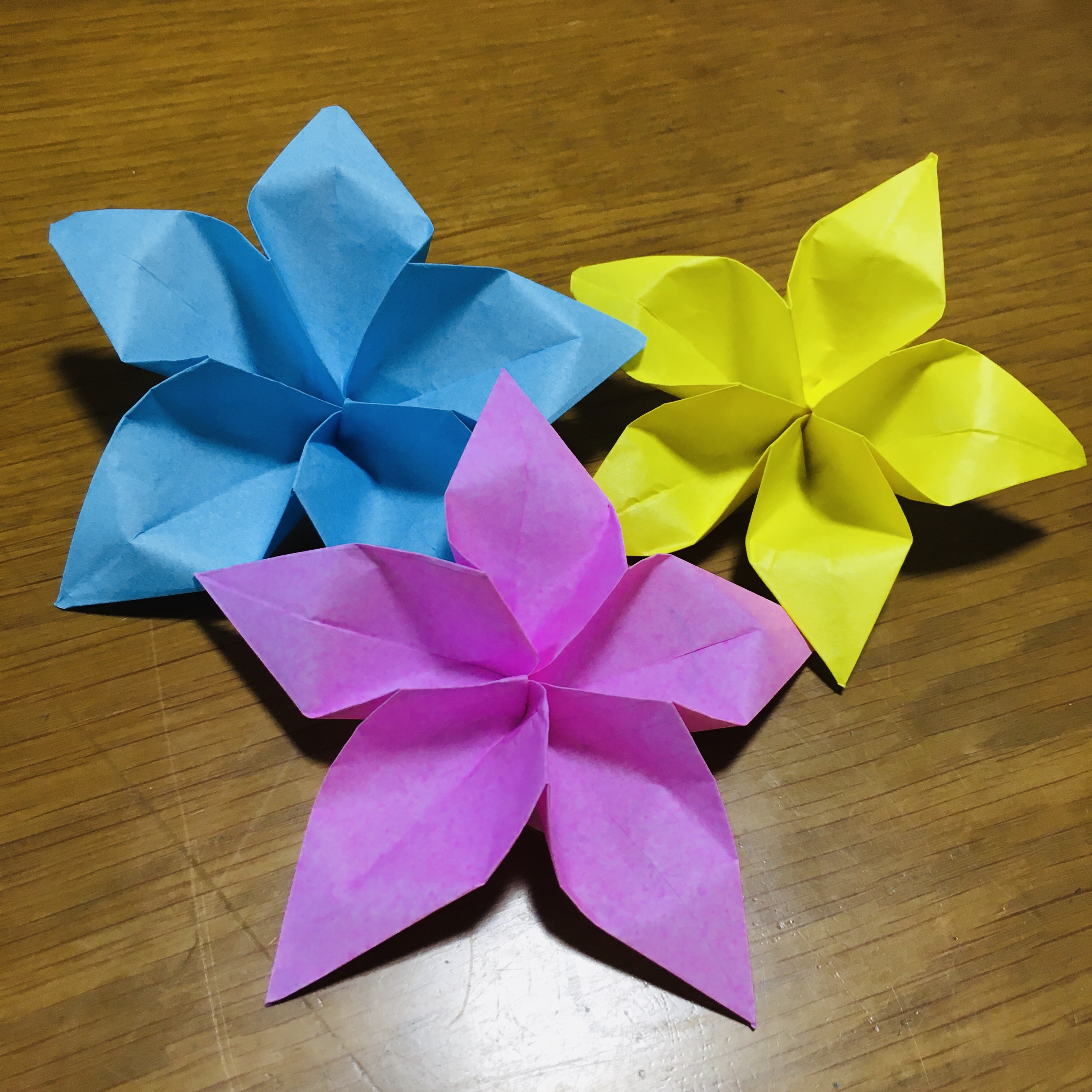
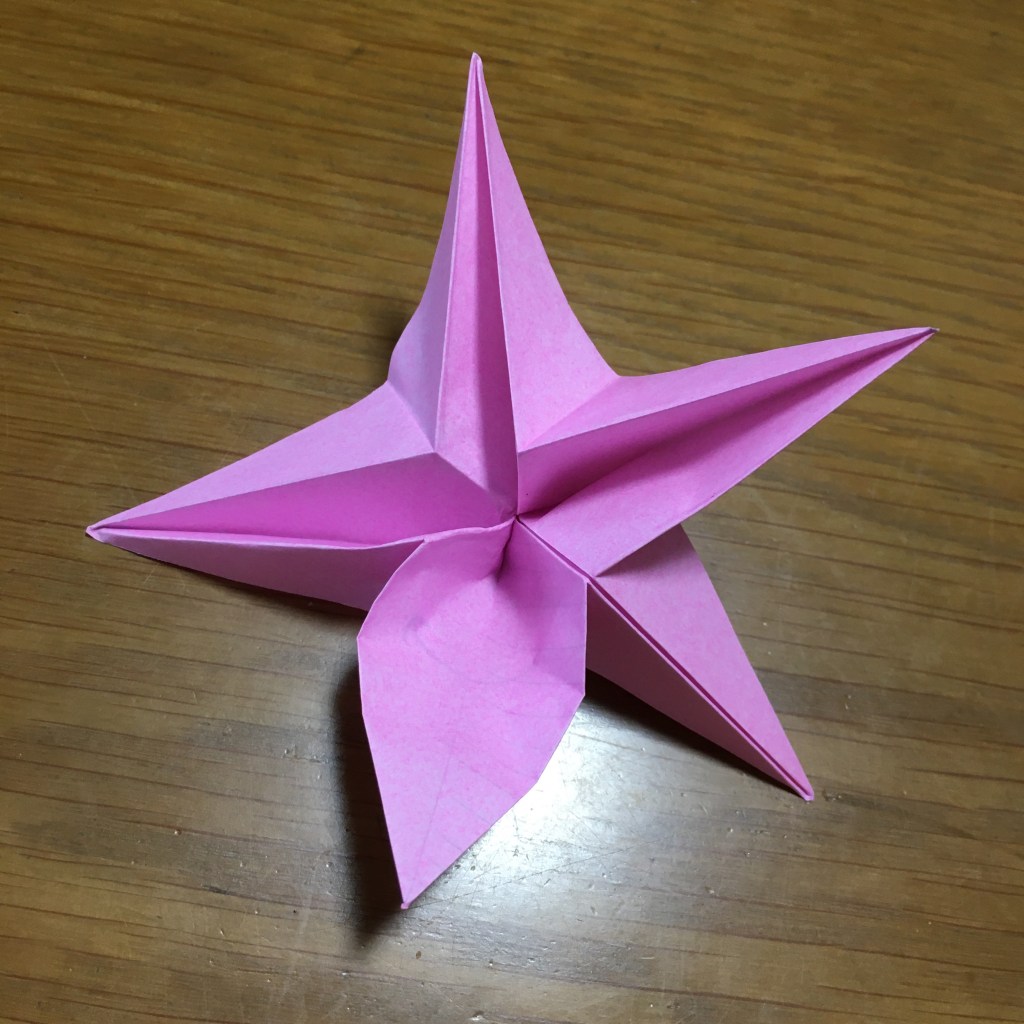
Now the temperature is finally getting summer hot in Japan, making me thinking of tropical resort. So, today’s blog will teach you how to make a tropical flower! Many might know how to make crane and iris flower (from my blog on 25th May), but how about Plumeria? If you would like to know, please get one square origami paper and scissors:)

  1. Prepare a square origami paper.

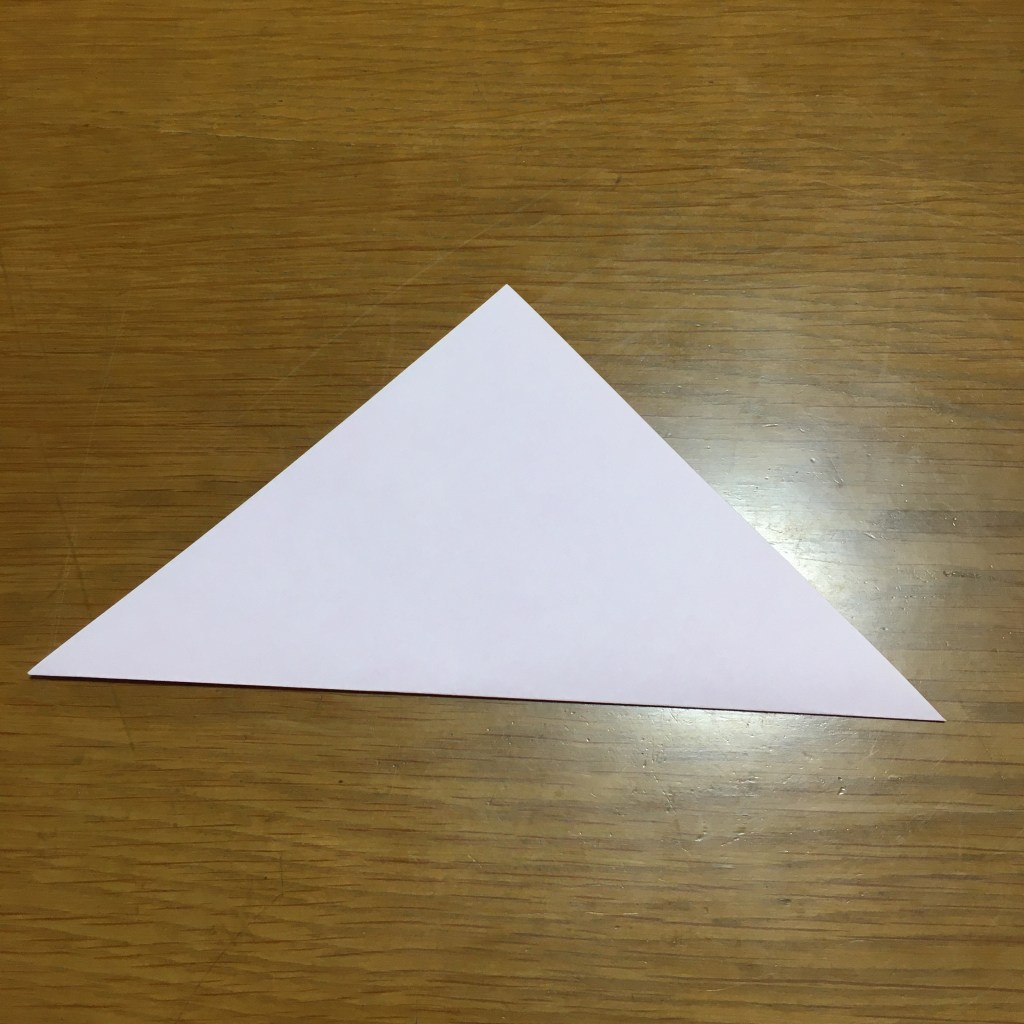
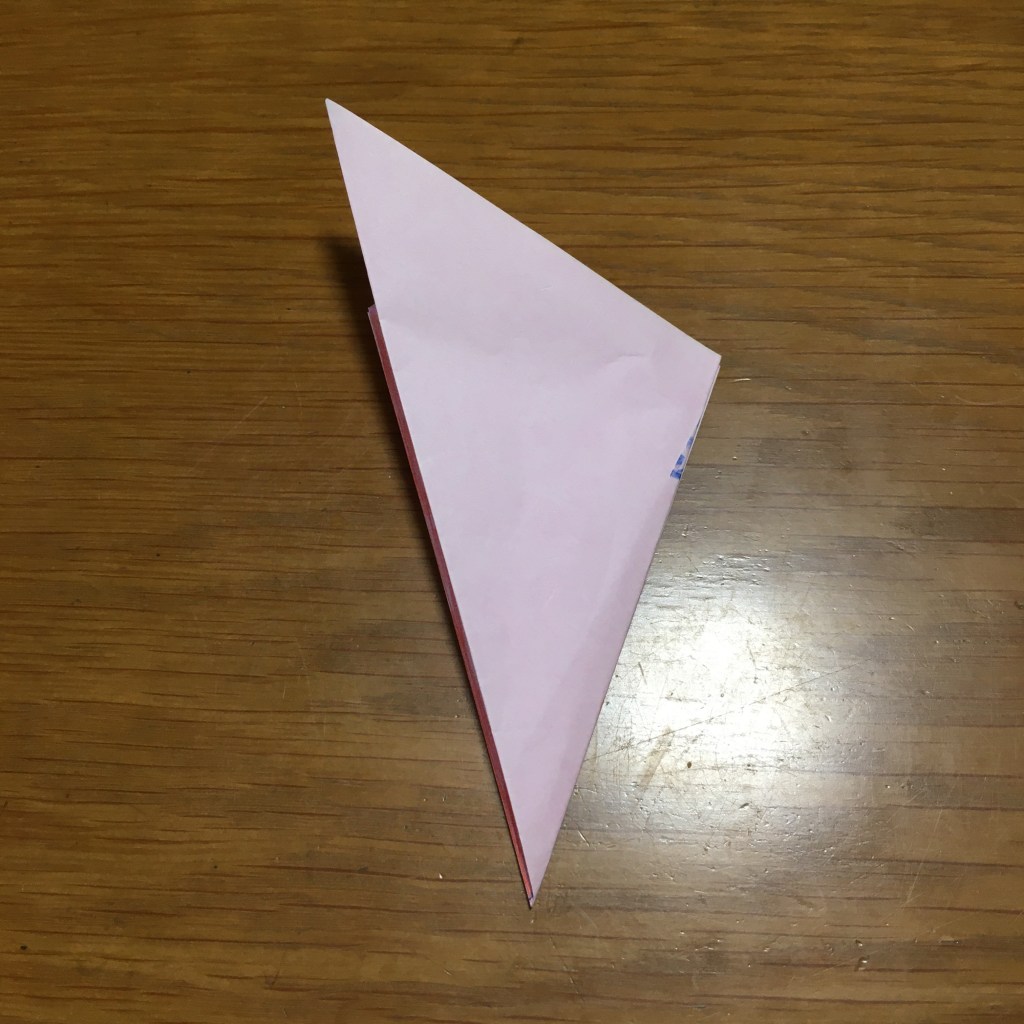
2. Lift one corner up and match to a diagonal corner. Fold to make a triangle.

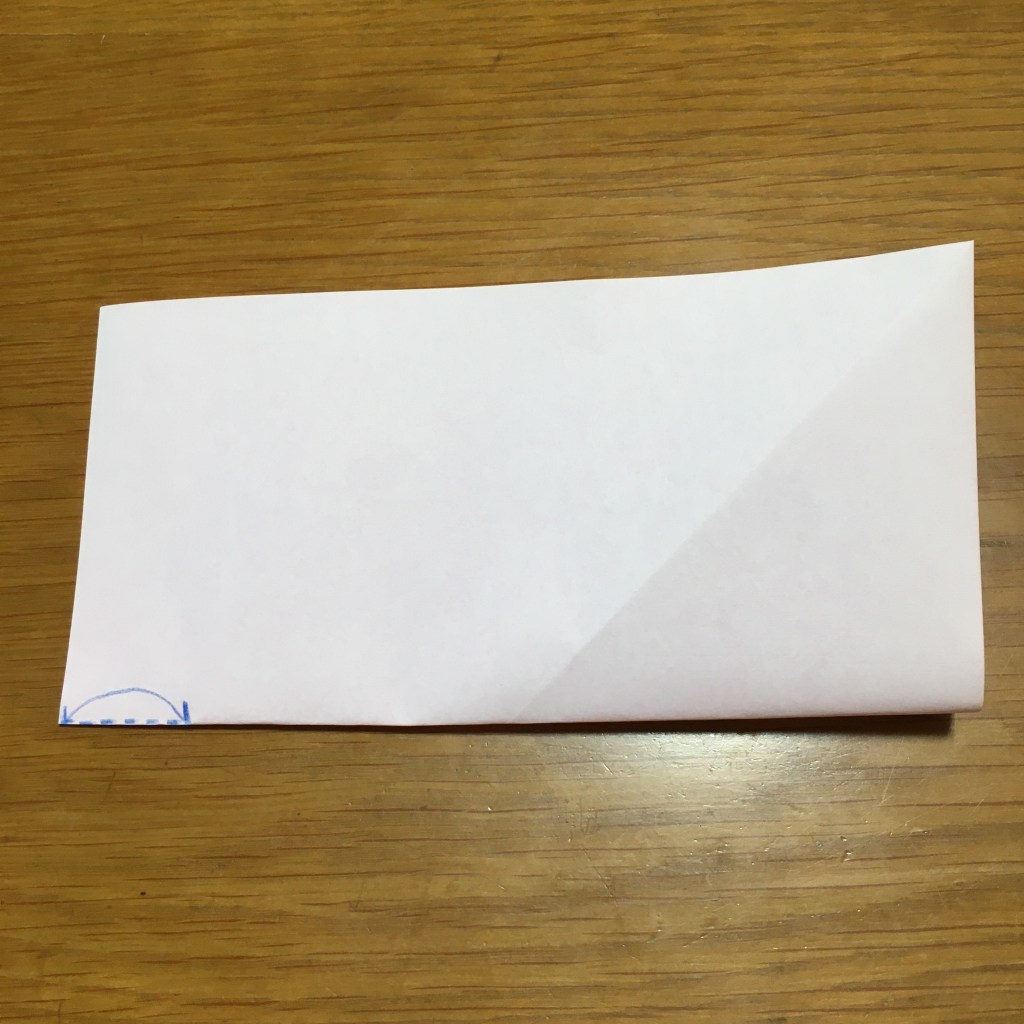
3. Unfold the triangle, then fold in half to make rectangle.

In this stage, only fold left side corner.

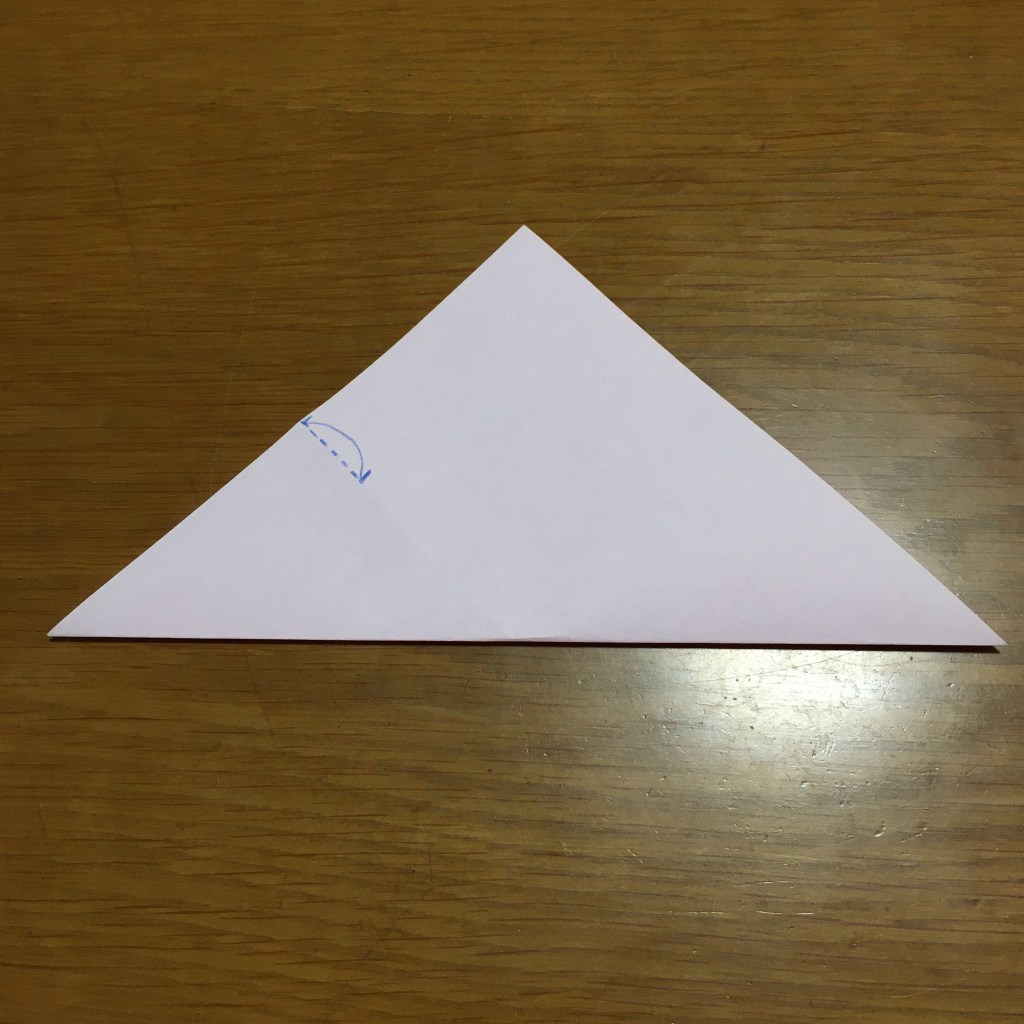
4. Then fold it back to the first triangle shape again.

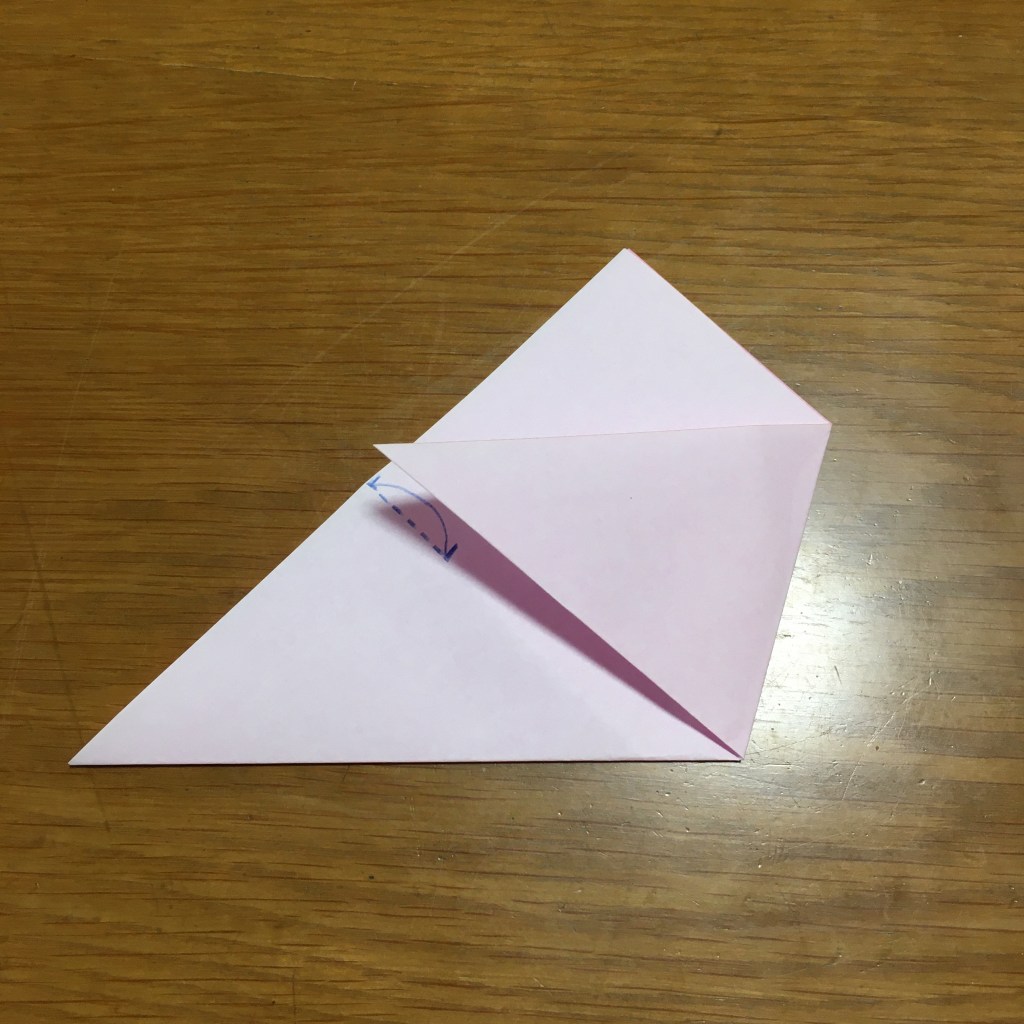
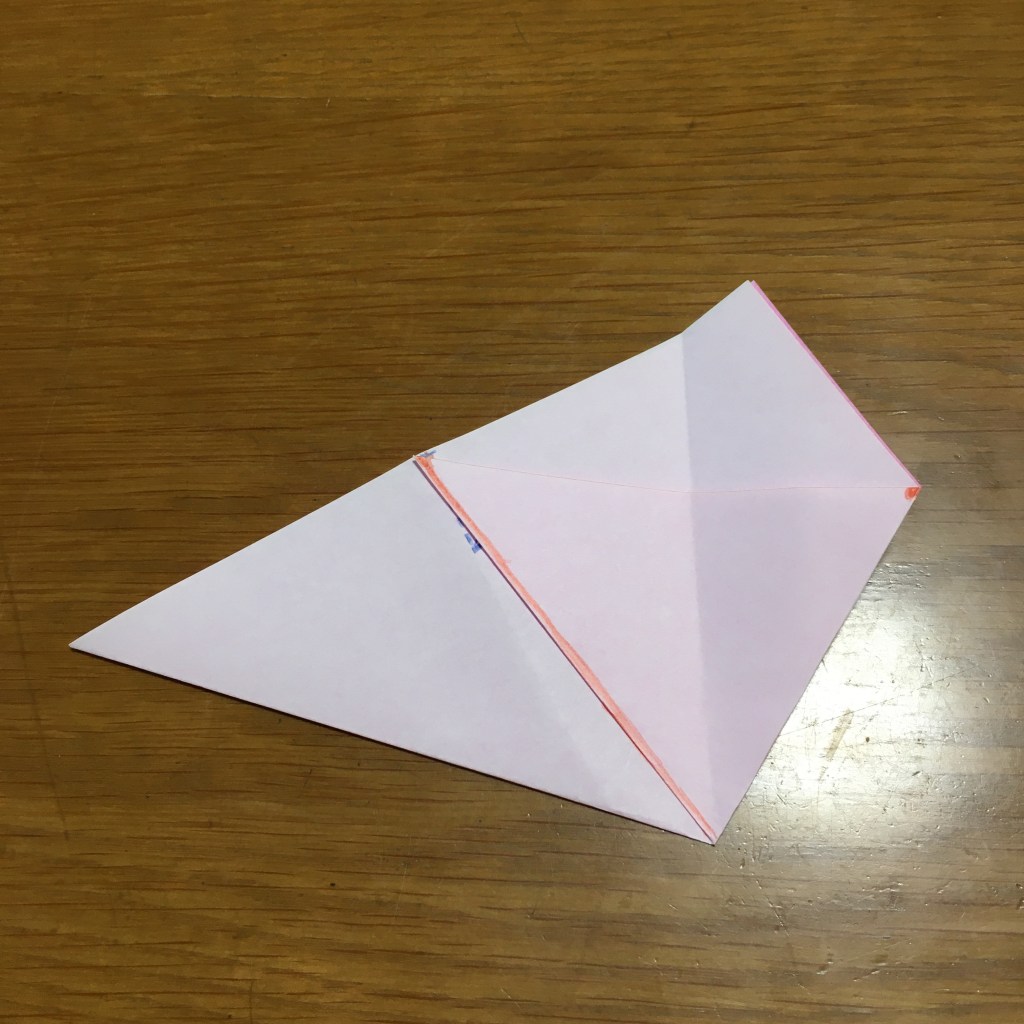
5. Bring the right side corner to the edge of line you made on the step 3.

6. Bring the right side corner (red dot part on the picture) to the same spot as step 5.

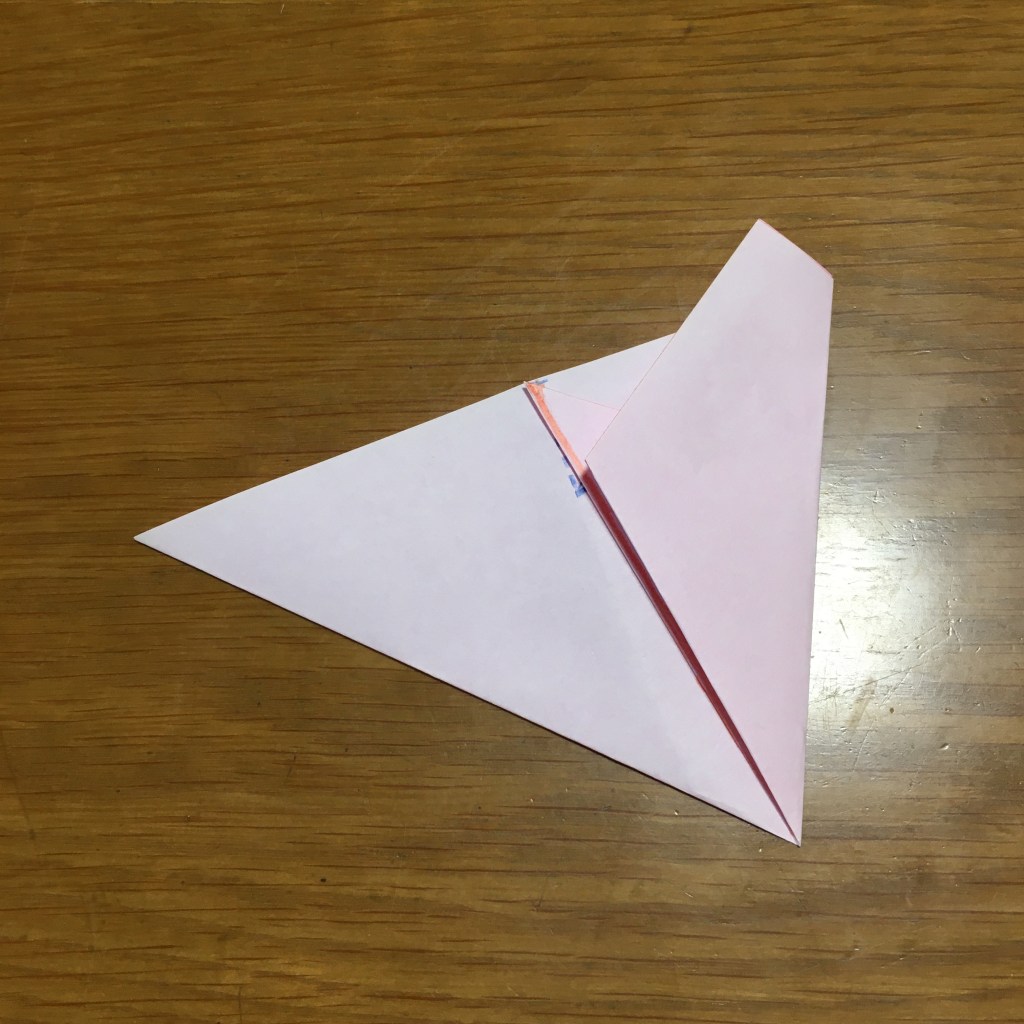
(Now it should look like this.)

7. Flip over.

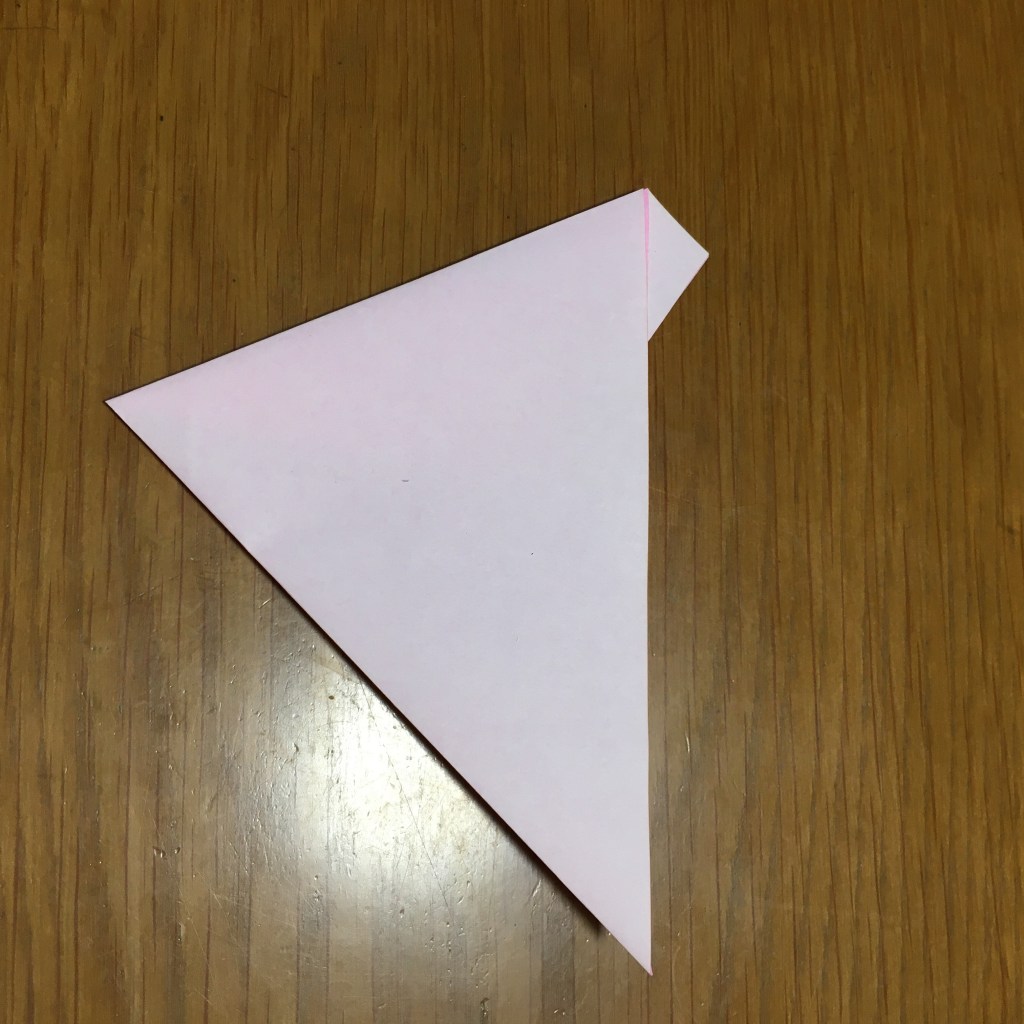
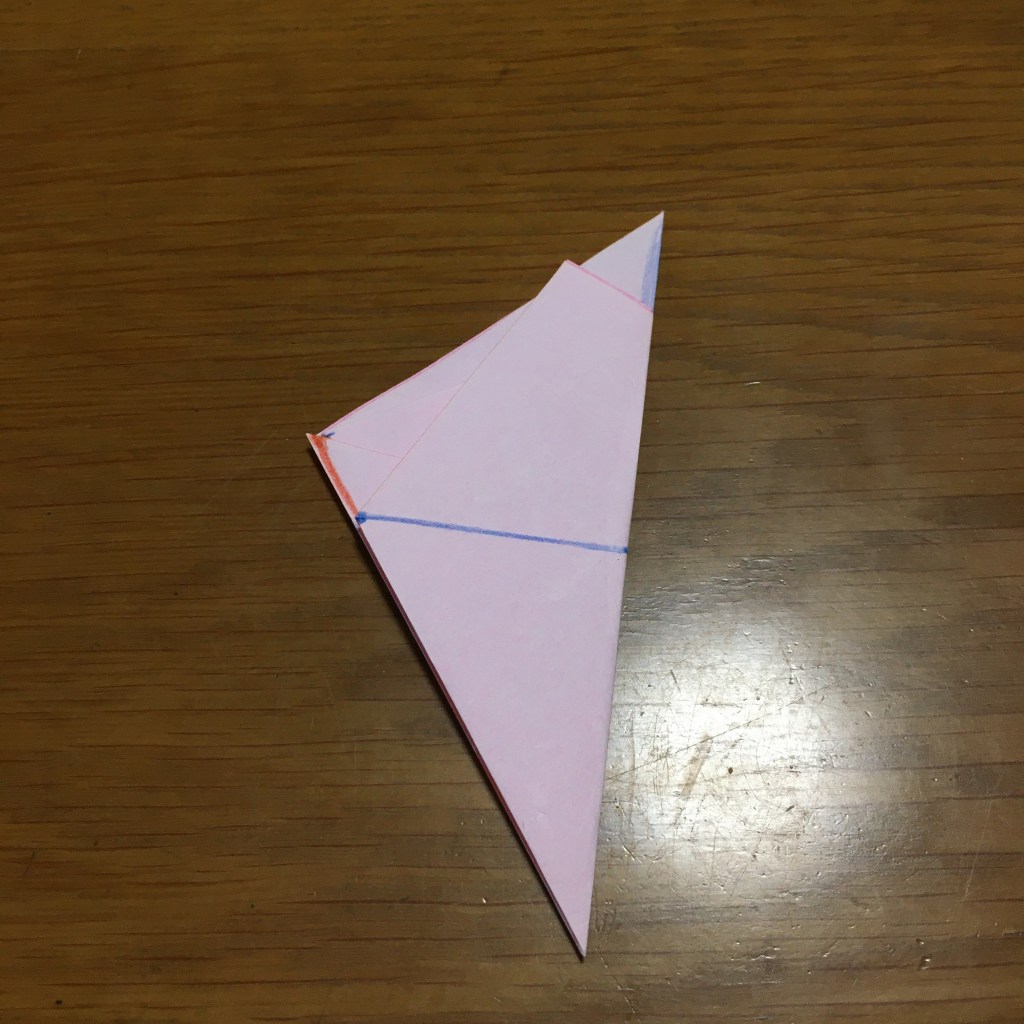
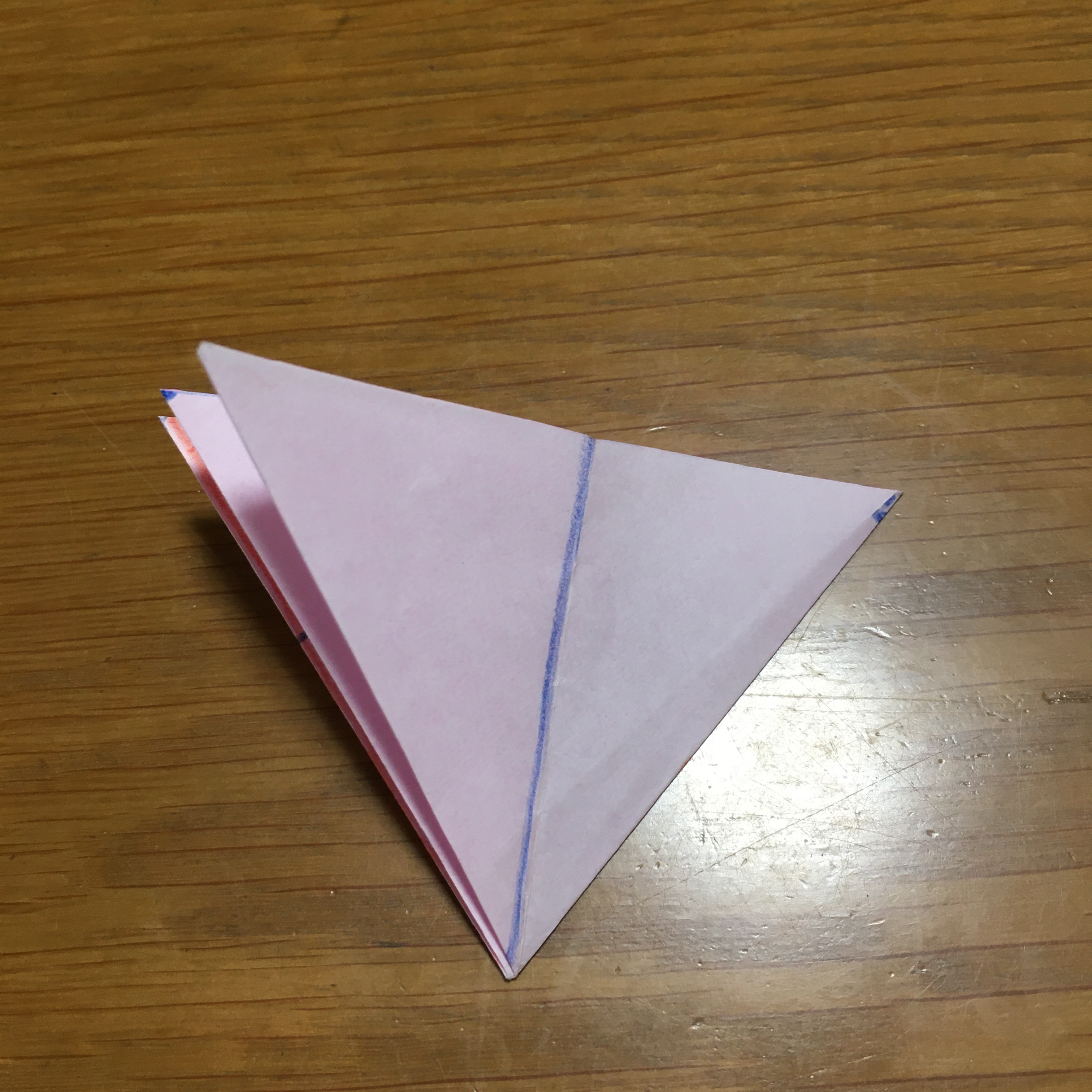
8. Bring the blue line to the red line and fold it.

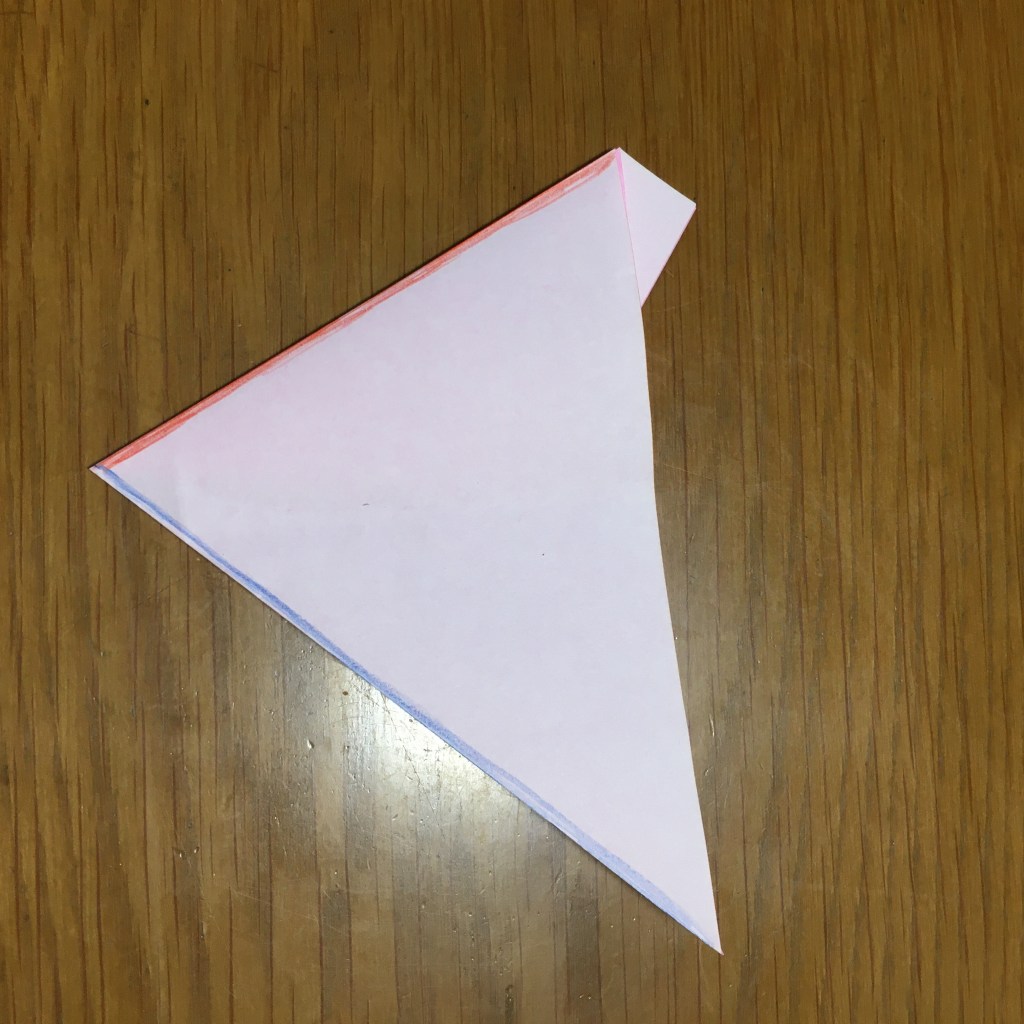
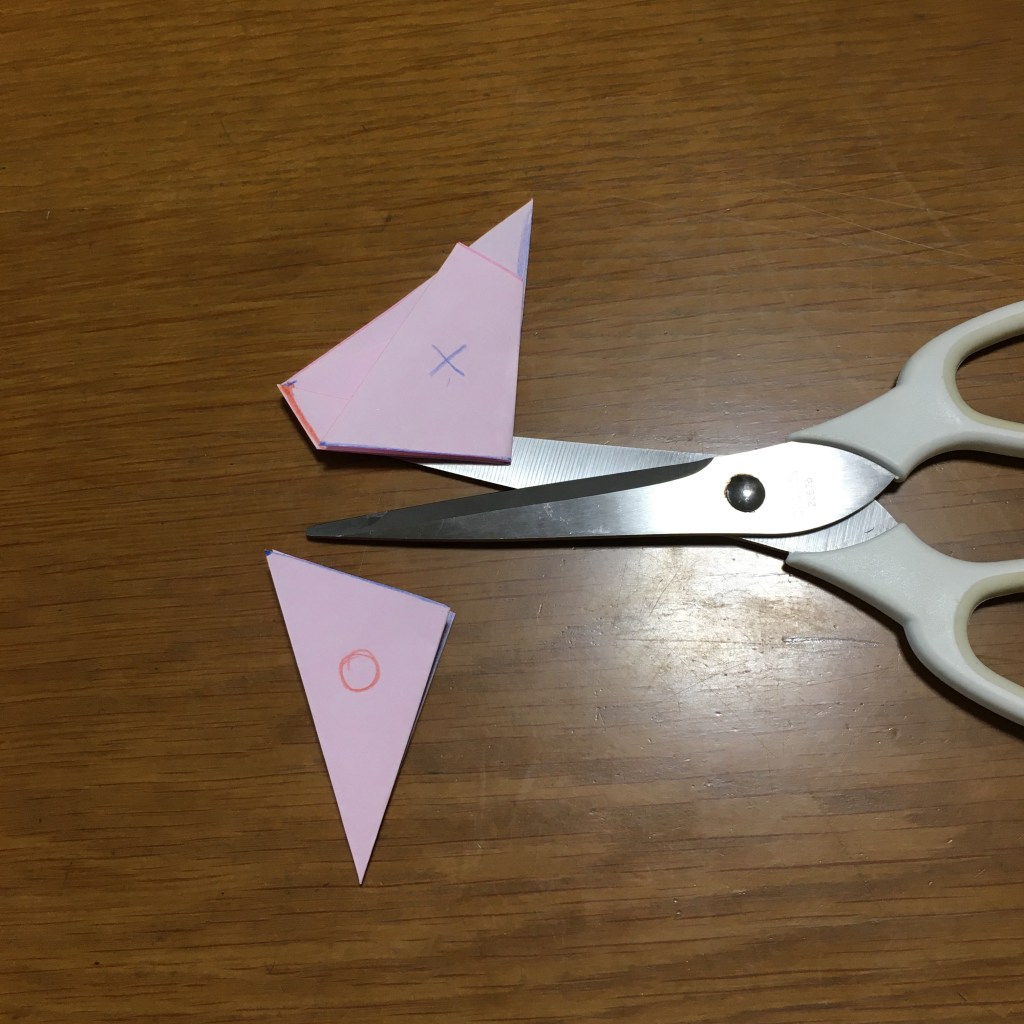
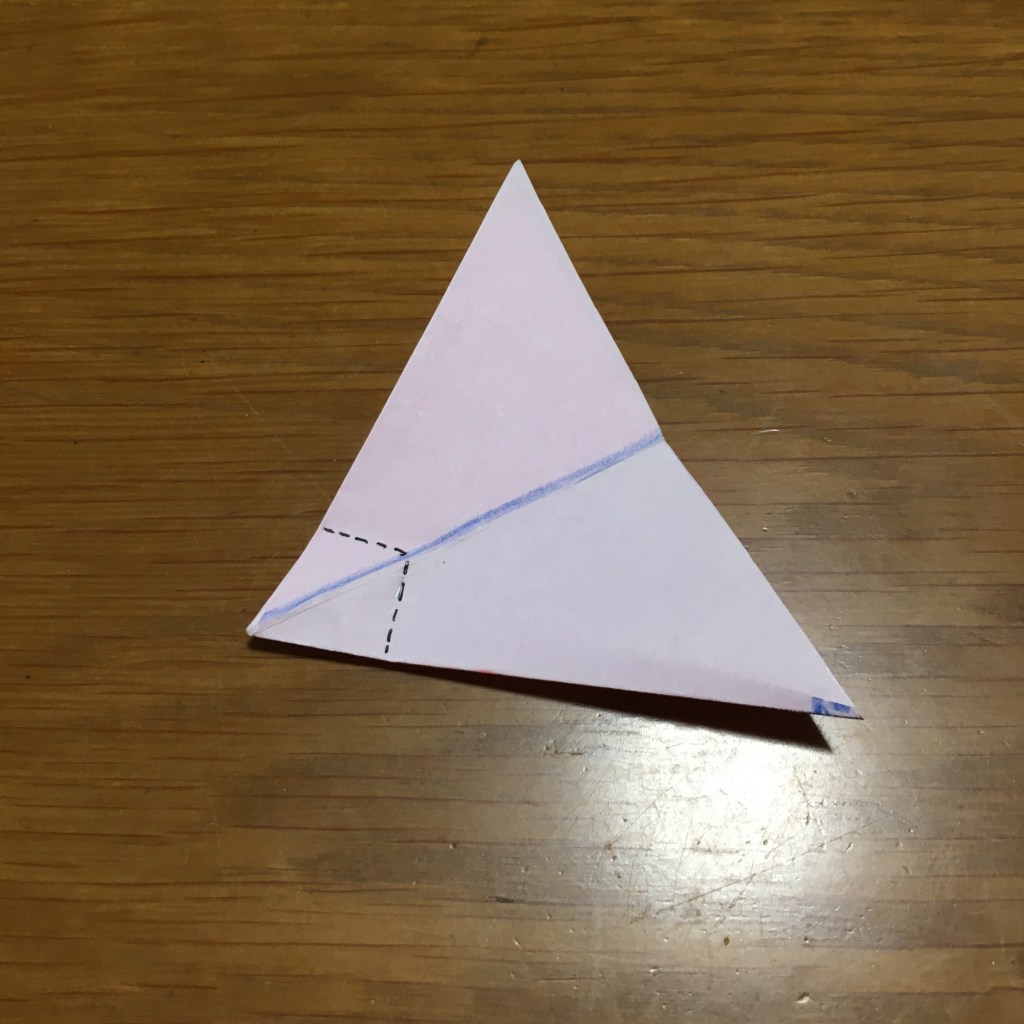
9. Flip over. Then make a 90 degree line from the left corner of the top paper shown as the picture.

10. Cut along the 90 degree line. Now we only use the triangle shaped one.

11. When opening the triangle shaped paper, it should look like this.

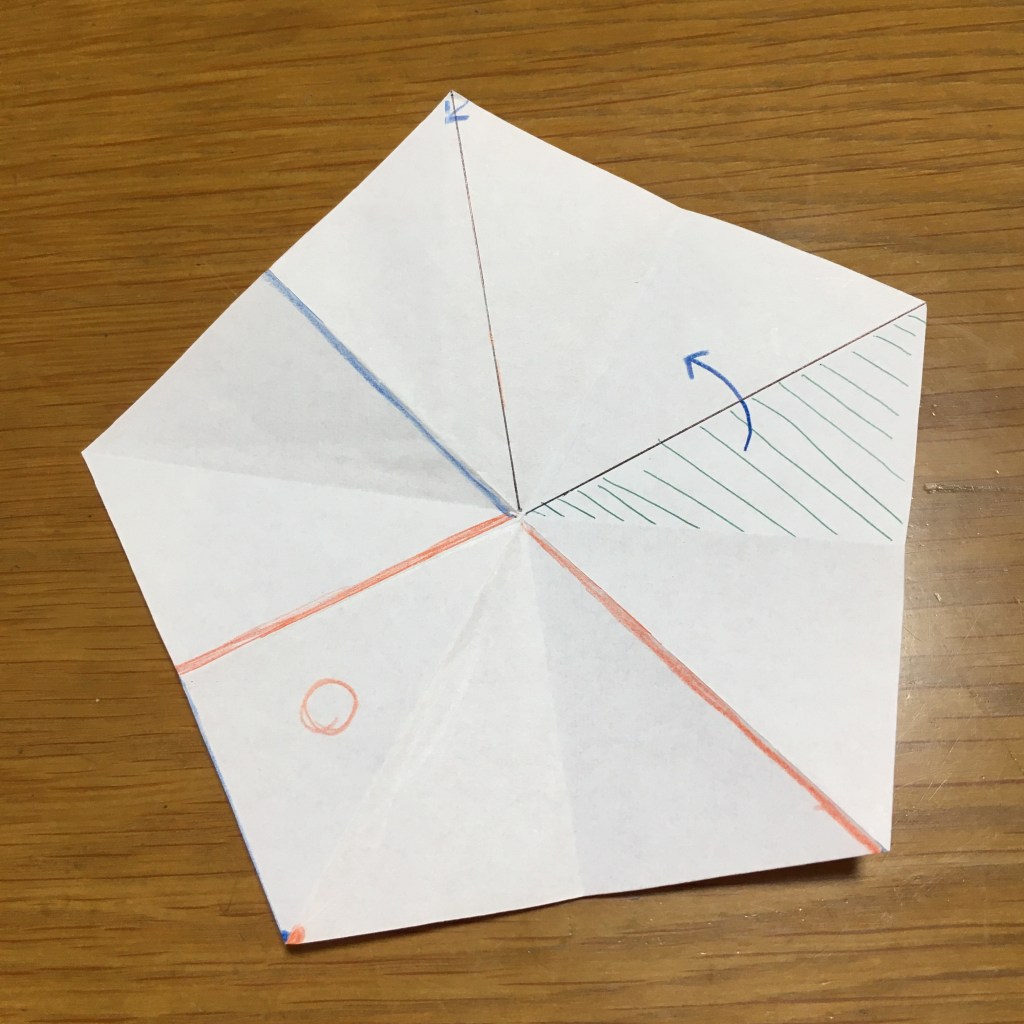
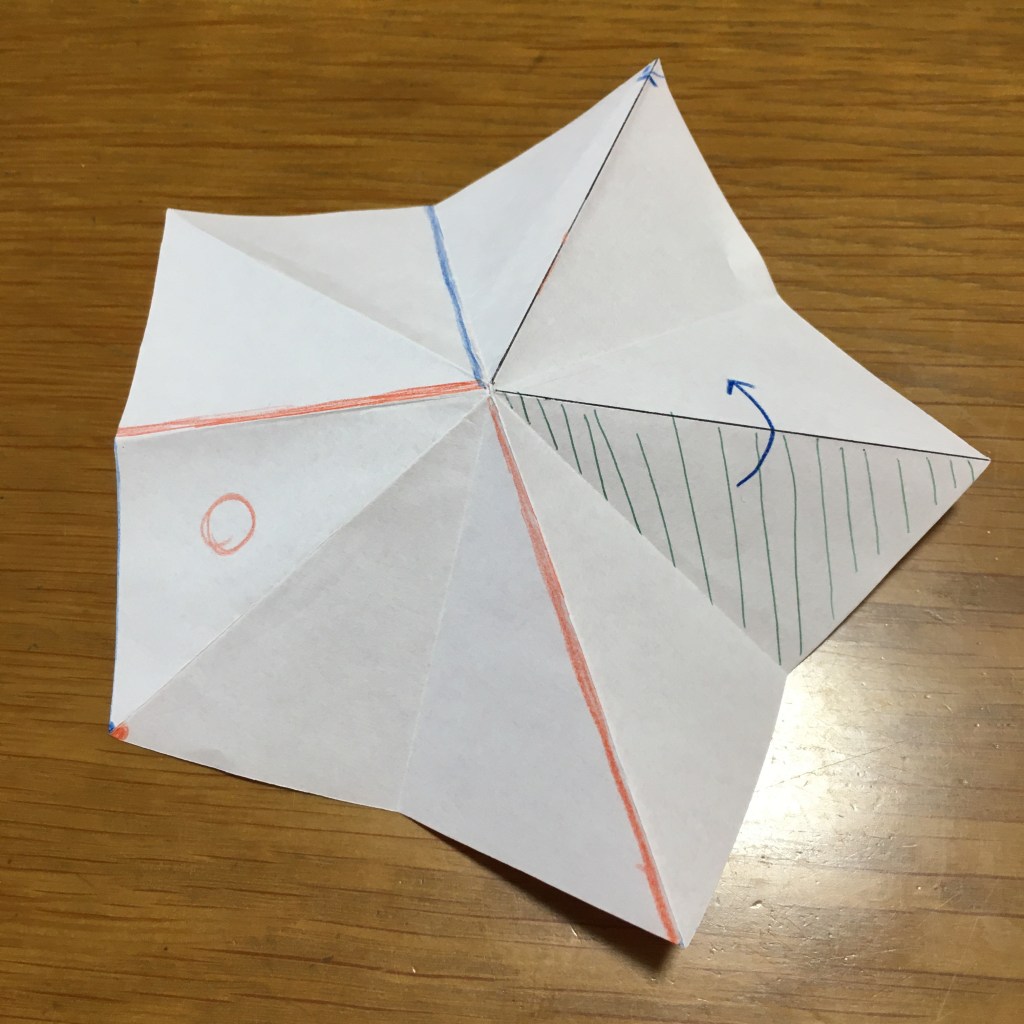
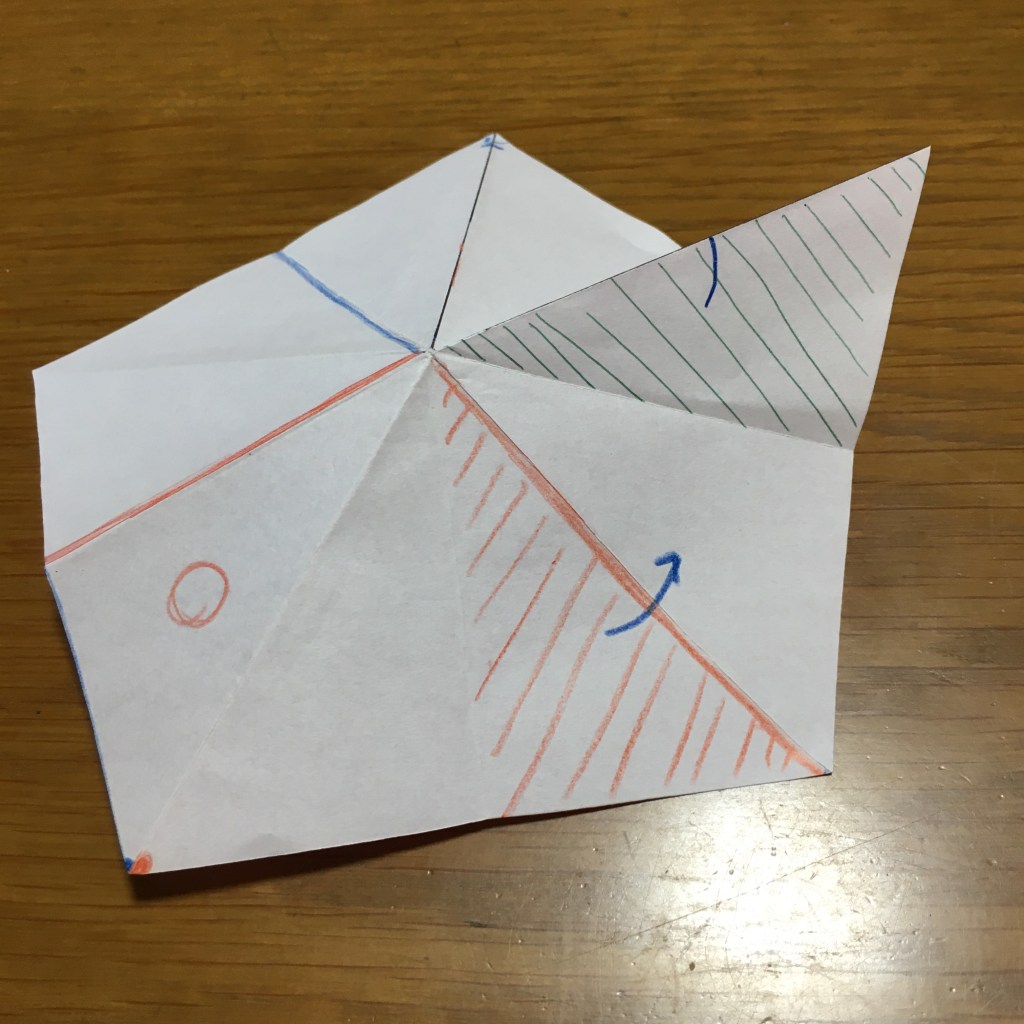
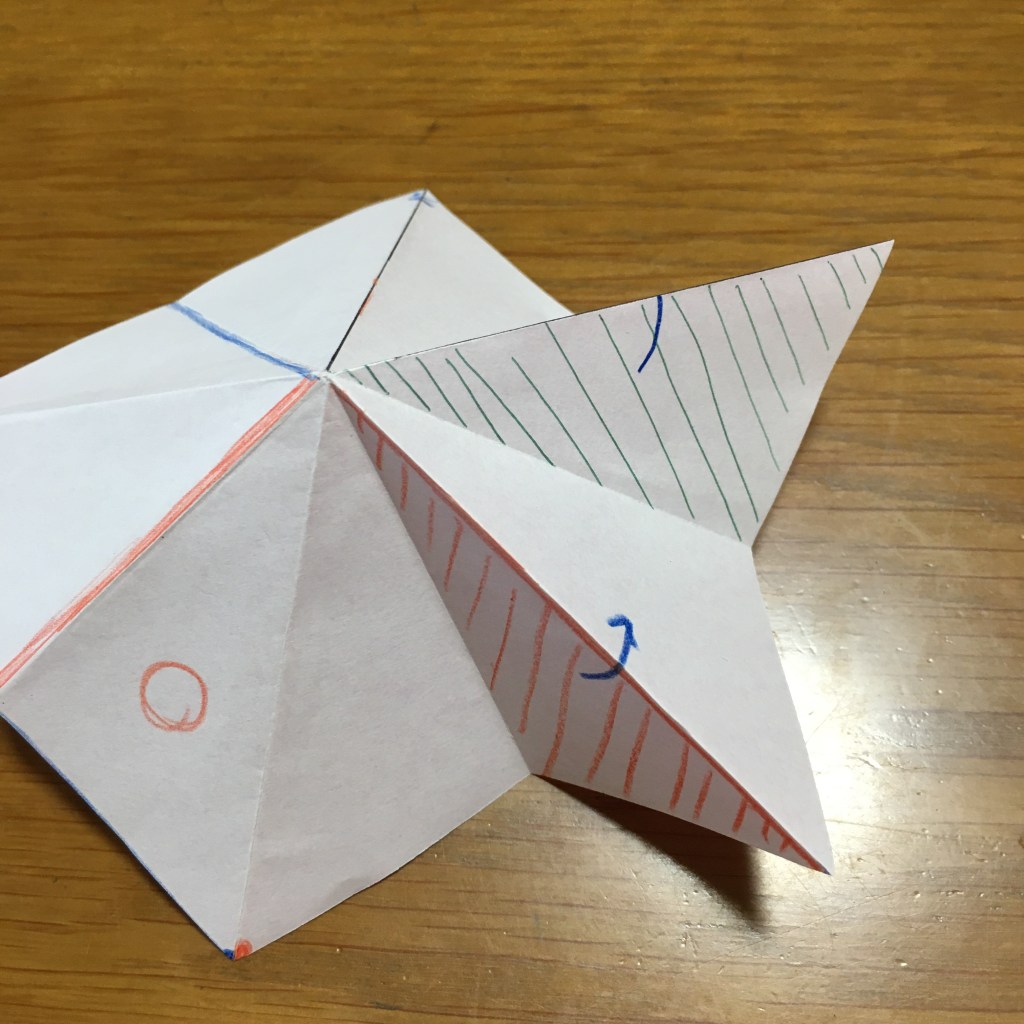
12. Flip over and do a mountain fold for the green shaded part like following pictures.(Mountain fold: Folding along the line to make upside-down V, fold to the back)↓

13. Mountain fold again for the red shaded part, just like step 12.

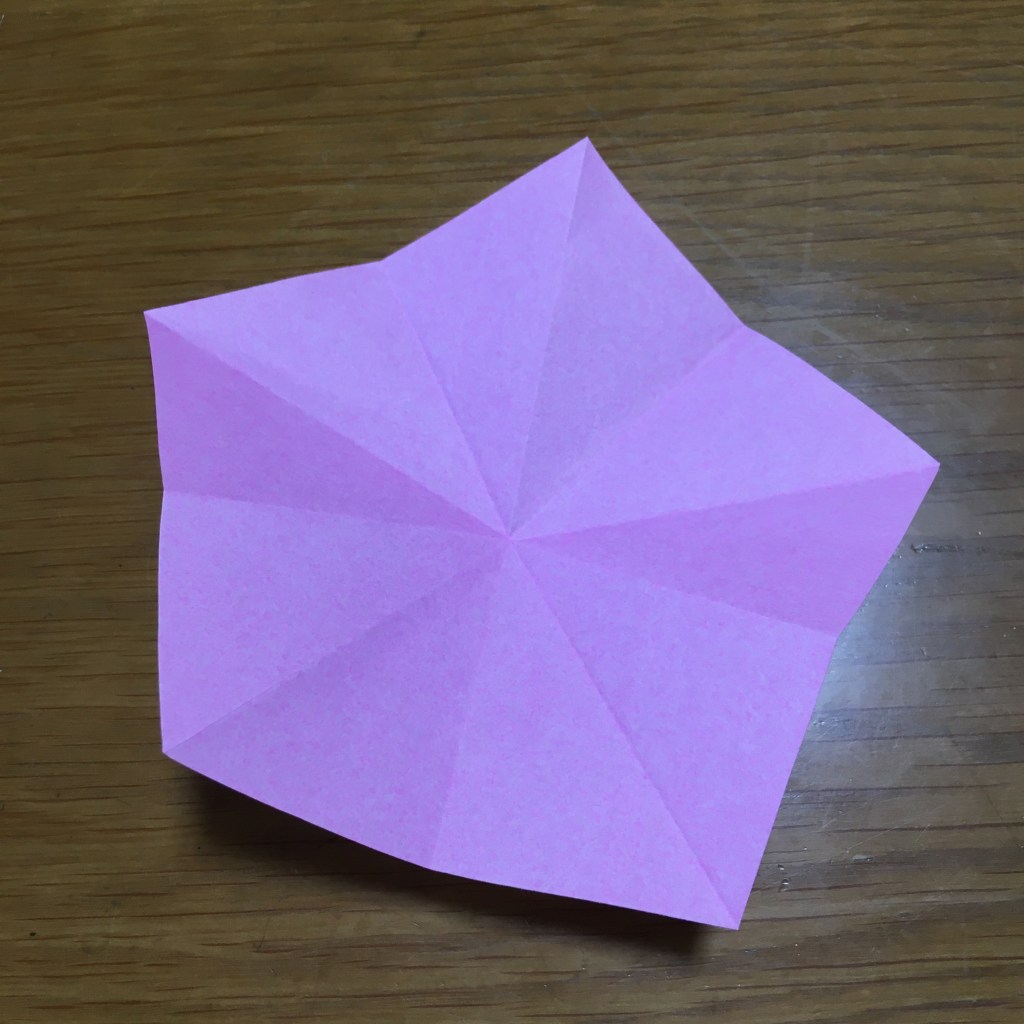
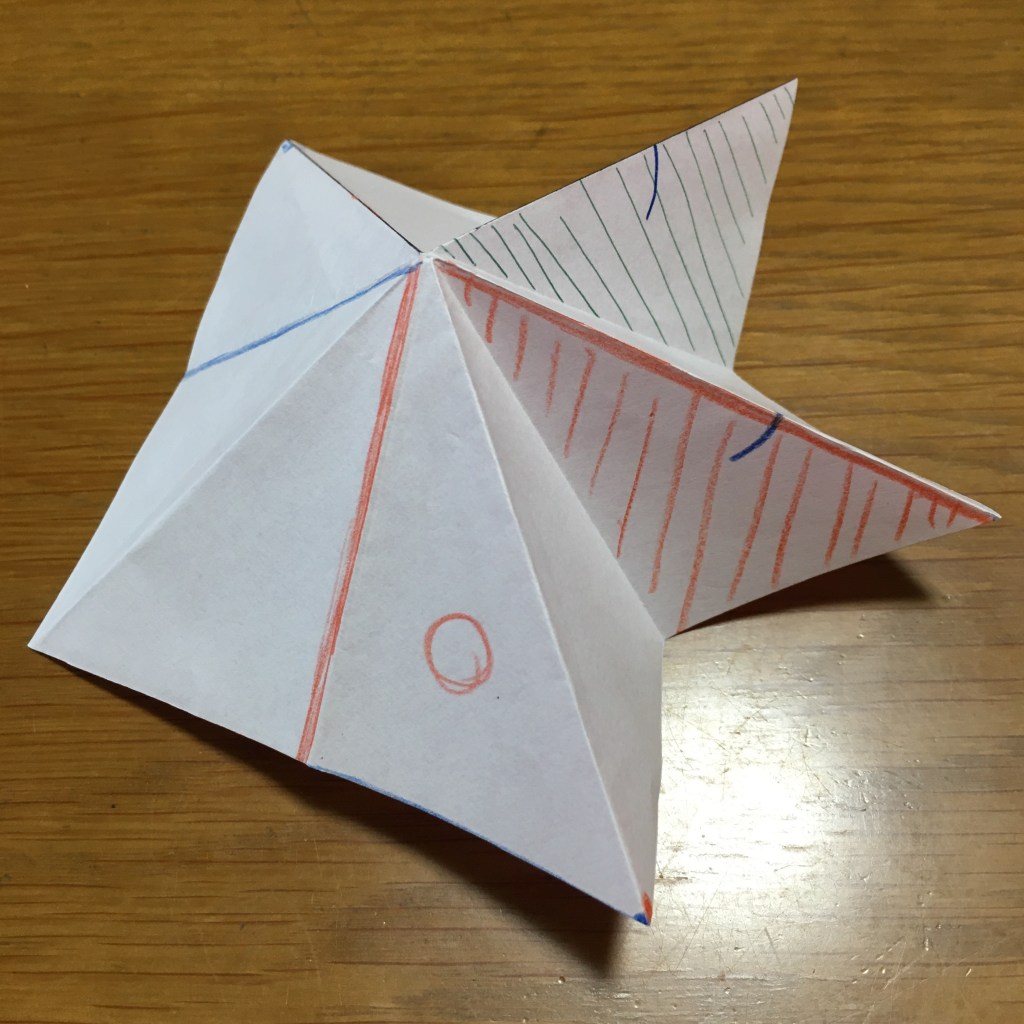
14. Repeat the same mountain fold for the rest of the corners. It should look like a star shape.

(After finishing mountain fold on all the corners)

(each side should look like a triangle shape)

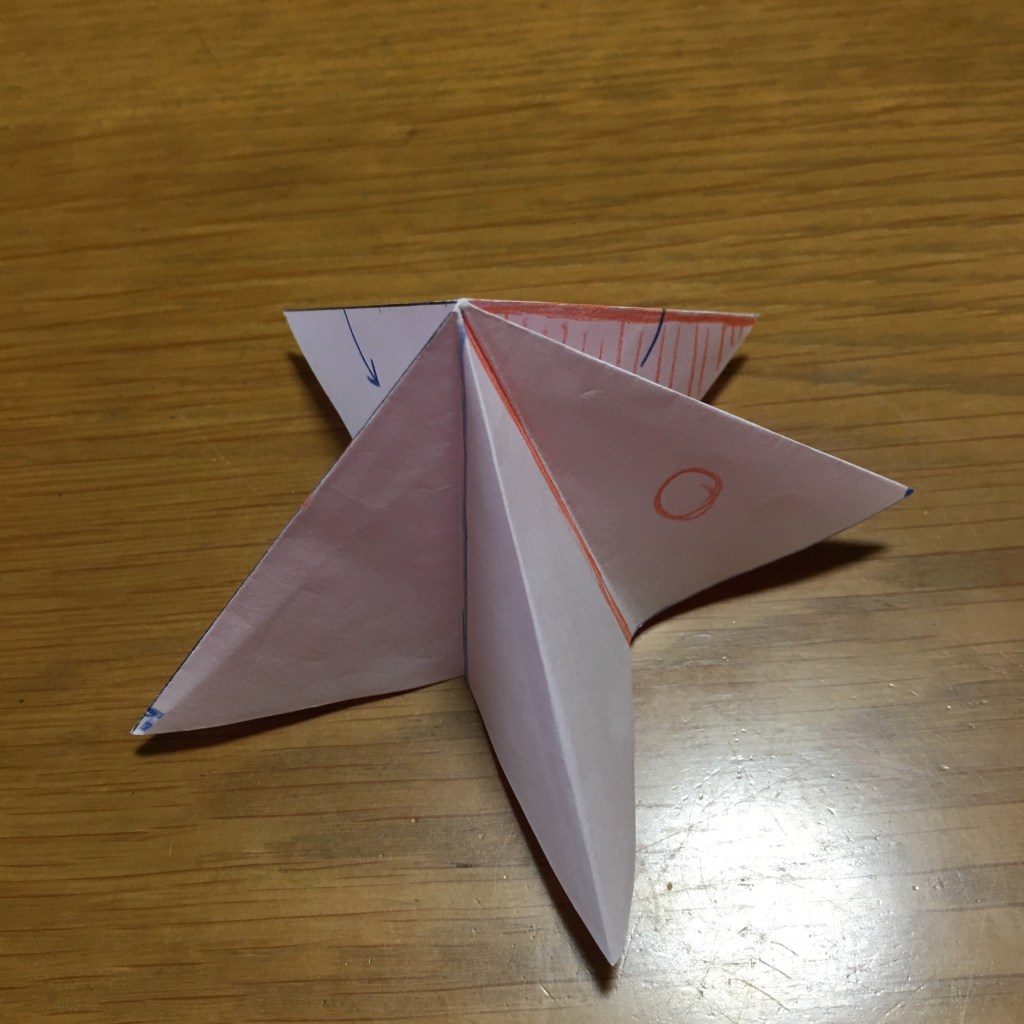
15. Do a valley fold for the black dot line, like following pictures.

(Valley fold: Folding along the line to make V, fold to the front)↓

(valley fold – Done!)

16. Open the valley folded surface again and then, fold along the black line like following pictures.↓

(Close the valley folded surface)

17. Open the next surface and fold a black line just like step 16.

(Now it should look like this)

18. Repeat the same folding steps for the rest of surfaces.

(This is the last surface – at the back. Repeat the same steps for this part as well)

(Now all surfaces are folded.)

19. Open the petal part like this. Warp the edge part to make it look like a real petal.

20. Do the same for the rest of petals.

21. 出来上がり (Dekiagari=Done)

Design a site like this with WordPress.com
Get started